


Practical pet wellbeing tips to keep your dog and cat healthy
Keeping pets healthy is about small, steady habits more than dramatic changes. Whether you live with a bouncy lab, a sly tabby, or both, the basics of wellbeing are surprisingly similar: predictable routines, sensible nutrition, regular grooming, mental exercise and safe social interactions. This article gathers practical, friendly tips you can use today to help your dog or cat thrive.
Create predictable daily routines
Pets are creatures of habit. A consistent rhythm helps them feel safe and reduces stress.
Morning and evening anchors
- Walks, play sessions or short training bursts in the morning can burn excess energy and set up calmer days. Dogs often benefit from 20 to 60 minutes of activity depending on age and breed. Cats may enjoy a short play session with a wand toy or chasing a laser to wake up their hunting instincts.
- Evening wind-downs can include gentle brushing, a low-key cuddle, or a quiet sniffing game. Establishing a bedtime routine helps both dogs and cats settle.
Litter, bathroom and feeding schedules
- Keep litter trays clean and in quiet spots. Scoop daily and consider having one tray per cat plus one extra in multi-cat homes.
- For dogs, aim for regular potty breaks. Puppies and older dogs may need more frequent outings.
- Feed at roughly the same times each day. Predictability reduces anxiety and helps you spot appetite changes quickly.
Sleep and rest zones
- Offer cosy, quiet sleeping spaces away from busy household areas. Cats often prefer elevated or tucked-away beds. Dogs usually like one familiar spot with blankets or a bed.
- Avoid interrupting naps unnecessarily. Rest is important for immune function and behaviour.

Nutrition basics: quality, portions and hydration
Good food is the foundation of health, but practical feeding matters just as much as the brand on the bag.
Choose balanced food and watch portions
- Look for complete diets formulated for your pet’s life stage and activity level. Consider rotating protein sources over time to reduce food sensitivities, if that works with your pet.
- Pay attention to portion sizes on packaging, then adjust based on body condition. A healthy pet is neither pudgy nor gaunt. If you’re unsure about weight, ask your vet for a body condition score and feeding guidance.
Treats and human food
- Use treats sparingly and prefer ones that contribute nutrition. Break larger treats into small pieces for training.
- Avoid unsafe human foods such as chocolate, grapes, onions, and anything with xylitol. When in doubt, keep human food out of reach and check with your vet before sharing.
Fresh water matters
- Keep water bowls clean and topped up. Some pets prefer running water, so a fountain may encourage extra drinking.
- For multi-pet homes, place multiple water stations to reduce competition.
Grooming, skin and dental care
Grooming keeps pets comfortable and can reveal early signs of trouble.
Brushing and coat care
- Brush dogs and cats regularly to remove loose fur and reduce hairballs. The frequency depends on coat type; long-haired pets may need daily brushing while short-haired pets might be fine once or twice a week.
- Bathing should be occasional, using pet-safe shampoos. Over-bathing can dry skin, so consider baths only when necessary.
Nail trims, ears and eyes
- Trim nails regularly to prevent splitting and discomfort. If you’re nervous, a groomer or carer can help.
- Check ears for redness, odor, or excessive wax. Gently clean with vet-recommended products if needed.
- Wipe away mild eye discharge with a soft, damp cloth. If eyes are consistently weepy or red, consult your vet.
Dental health
- Dental care can help freshen breath and reduce plaque. Tooth brushing with pet toothpaste may help. Dental chews and toys can be useful, but they shouldn’t replace brushing.
- Consider professional dental checks if your pet has persistent bad breath, tartar buildup, or difficulty eating.
Preventive healthcare and vet partnerships
Working with a trusted vet is one of the kindest things you can do for your pet.
- Keep vaccinations, parasite prevention and check-ups up to date. These measures may help reduce risk of disease, and schedules vary by region and lifestyle.
- For senior pets, consider more frequent check-ins to catch subtle changes in mobility or appetite.
- Keep a basic first-aid kit and a record of medications and allergies. If your pet shows sudden changes in breathing, severe vomiting, collapse, or other alarming signs, seek immediate veterinary care.
Always consult your veterinarian for medical questions and before starting supplements or new treatments.
Mental stimulation and enrichment
Physical health is only half the story. Boredom can lead to destructive or anxious behaviour, so keep their minds active.
Everyday enrichment ideas
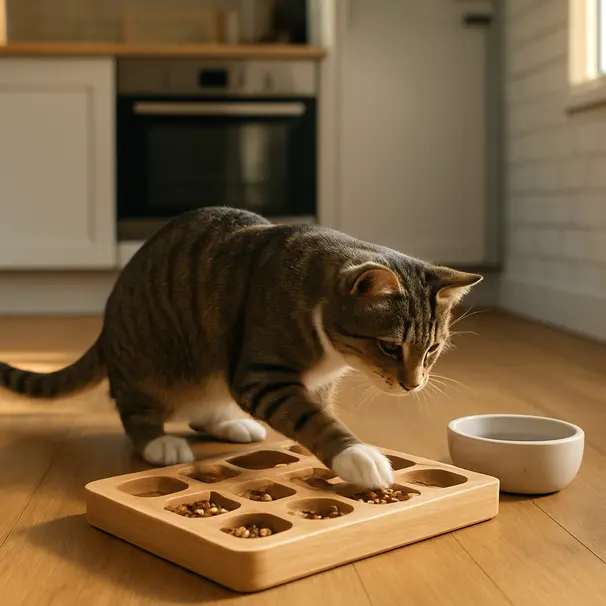
- Puzzle feeders and food-dispensing toys can stretch mealtime into a satisfying hunt. Cats and dogs both enjoy sniffing and working for food.
- Rotate toys so novelty stays high. Hide small treats around safe areas for sniffing games.
- Short training sessions that teach one trick per week help dogs feel useful. Clicker training works well for both dogs and cats.
Play tailored to personality
- High-energy dogs need interactive fetch, scent trails, or agility-based play. Calm dogs may prefer gentle tug or slow-paced walks.
- Cats vary from zoomies to couch philosophers. Offer vertical spaces, dangling toys and slow-moving play to match their mood.
Environmental enrichment for indoor pets
- Window perches, cat trees and bird-safe viewing spots can turn a window into an entertainment centre for indoor cats.
- For dogs left alone, leave safe chew toys or frozen treat puzzles to occupy them and reduce separation stress.
Socialisation and safe introductions
Good social experiences shape confident pets.
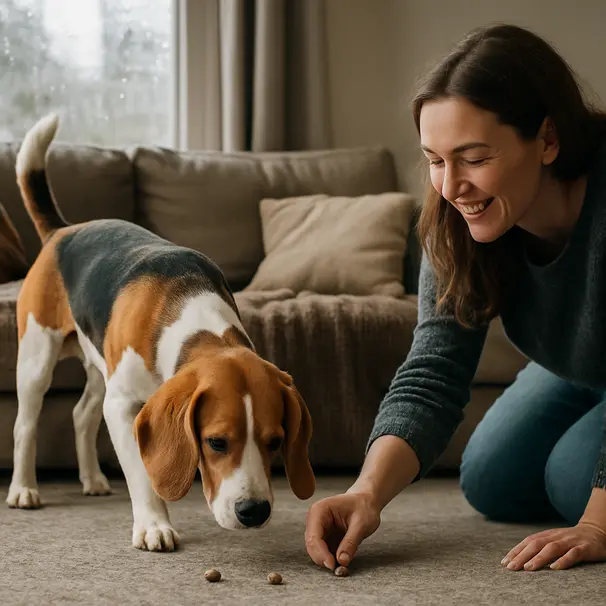
- Introduce new people and animals gradually. Let pets approach on their own terms and offer treats for calm behaviour.
- For multi-pet homes, give each animal its own resources: beds, bowls and escape routes. Resource guarding can increase with competition.
- Consider supervised, short meet-and-greets when hiring a new carer or walker. A trusting relationship with carers helps reduce stress while you’re away.
Safety at home and when travelling
Small precautions go a long way toward preventing accidents.
- Keep toxic plants, cleaning supplies and human medications out of reach. Secure trash bins and lidded composts.
- Use harnesses and secure carriers for travel. Never leave pets unattended in cars.
- ID tags and microchips increase the chances of a reunion if a pet gets lost. Make sure contact details are up to date.
Special considerations: puppies, kittens and seniors
Different life stages have different needs.
- Puppies and kittens need more frequent meals, gentle socialisation and basic training. Puppy preschool or kitten social play can build confidence.
- Senior pets might need softer food, shorter walks, ramps to access favourite spots and more frequent vet checks. Be patient with slower mobility and adjust expectations compassionately.
Working with carers and pet sitters
If you use a platform like Floofy to find carers, clear communication is key.
- Leave a concise routine sheet: feeding times, portion sizes, medication instructions, emergency contacts and any behavioural quirks.
- Ask carers to send short updates and photos, especially on the first few visits. A quick snapshot and a sentence or two can reassure you.
- Arrange a meet-and-greet so your pet can sniff out the new person before you leave. It helps reduce separation anxiety for everyone.
Signs of wellbeing and when to seek help
You know your pet best. Small changes in behaviour often signal discomfort or stress.
Look out for:
- Changes in appetite or water intake
- Altered bathroom habits or litter box avoidance
- Sudden lethargy, hiding or unusual aggression
- Persistent coughing, limping or wobbliness
If you notice anything persistent or worrying, consult your vet. Early attention can sometimes prevent bigger problems.
Quick wellbeing checklist
- Regular feeding schedule and fresh water
- Daily mental stimulation and appropriate exercise
- Weekly grooming checks and nail trims as needed
- Up-to-date parasite prevention and vaccinations
- Safe, quiet resting spaces and escape routes for shy pets
- Clear instructions for carers and a microchip with current details
Final thoughts
Caring for pets is a joyful, ongoing learning experience. Small routines done consistently create a calm life for your dog or cat. Keep observations simple, communicate with your vet, and involve trusted carers when you must be away. Most importantly, enjoy the moments: the warm head on your knee, the excited tail, the purr after a good brush. Those everyday exchanges are the heart of wellbeing.
If you’d like, use the checklist above to create a one-page care sheet for your pet. It makes life easier for carers and keeps your pet’s routine steady and familiar.
Thanks for reading, and here’s to many happy, healthy days with your furry family.