

Practical preventive pet care tips for pet carers and owners
Caring for a pet is part love, part routine, and part good sense. This post collects practical, friendly advice you can use as a pet owner or a carer to keep animals comfortable, safe, and relaxed. These are simple steps that, done consistently, may help avoid many common problems and make life better for pets and people alike.
Start with a predictable daily routine
Pets thrive on predictability. A steady routine helps dogs and cats relax, reduces stress, and makes it easier for carers to step in without creating confusion.
- Morning and evening rhythm: Try to feed, walk, and play at roughly the same times each day. Small windows are okay, but consistency matters.
- Sleep and rest: Make sure the pet has a quiet, comfortable place to nap. Carers should be aware of where the pet prefers to rest so they can respect that space.
- Housetraining and litter habits: Keep the same outdoor spots and litter boxes available. Regular schedules for bathroom breaks can cut down on accidents.
- Medication timings: If a pet needs medication, write down exact times and dosages. Use reminders or labels so carers never guess.
Why this helps: A clear routine lowers anxiety, supports digestion and sleep patterns, and makes it easier to spot changes in behavior or appetite that may need attention.
Nutrition and feeding basics
Food is more than fuel. It’s a source of comfort and a major influence on health. Thoughtful feeding practices can reduce gastrointestinal upsets, weight problems, and picky eating.
- Stick with the known: If an owner has a preferred food, keep the same brand and formulation when possible. Sudden diet switches can upset a pet’s stomach. If change is necessary, consider a gradual transition over a week.
- Portion control: Follow the feeding guidelines on packaging as a starting point, then adjust for activity level and body condition. Treats should be counted as part of daily calories.
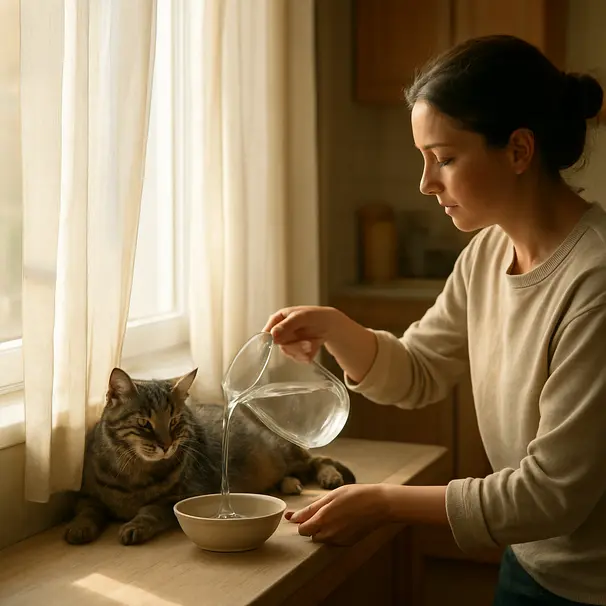
- Fresh water: Keep water bowls clean and topped up. Consider multiple bowls in large homes or for multi-pet households.
- Safe human foods: Teach carers which human foods are dangerous for pets, like chocolate, grapes, onions, macadamia nuts, and xylitol. If in doubt, avoid offering a human snack.
- Special diets: If a pet has allergies or a prescription diet, note this clearly in care instructions and confirm any substitutions with the owner.
Consider consulting a veterinarian for weight concerns or if a pet has a special dietary need. Small adjustments now may prevent bigger issues later.
Grooming and hygiene: small habits, big payoff
Regular grooming does more than keep a pet looking tidy. It can help prevent skin problems, matting, oral disease, and discomfort.
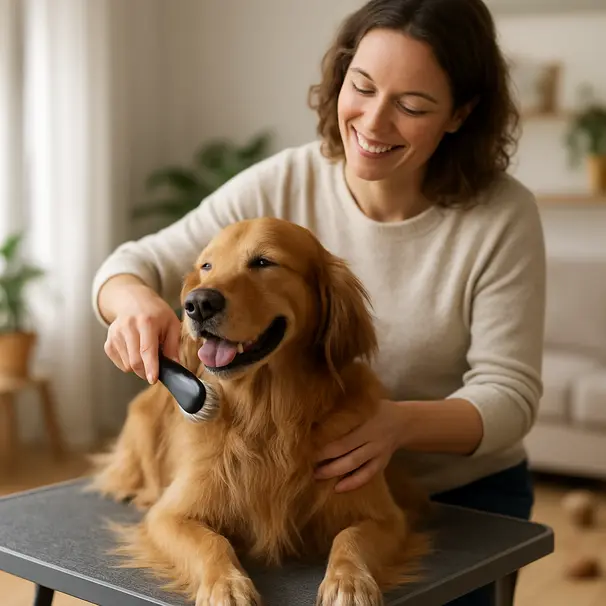
- Brushing: Brush dogs and cats regularly according to coat type. Daily brushing for long-haired pets can prevent painful mats. Short-haired pets still benefit from weekly grooming to remove loose fur.
- Bathing: Bathe only as needed. Over-bathing can strip natural oils. Use a gentle pet shampoo and rinse thoroughly.
- Nail care: Trim nails carefully on a regular schedule. Long nails can change gait and cause joint strain. If a carer is unsure, ask the owner for permission to visit a professional groomer.
- Ear and eye checks: Wipe discharge away gently and watch for redness or odor. These signs may indicate irritation or infection that can benefit from a vet check.
- Dental care: Brushing teeth several times a week can help reduce tartar. Offer dental chews and check for bad breath or loose teeth; these may warrant a vet visit.
Exercise and mental enrichment
Activity and enrichment are essential to prevent boredom, which can lead to destructive behavior or anxiety.
- Daily walks and play: Tailor exercise to the pet’s age and breed. Young dogs often need more vigorous activity, while senior pets may prefer short, gentle walks.
- Interactive toys: Puzzle feeders and safe chew toys can keep pets mentally stimulated during the day, especially when owners are out or carers are short on time.
- Training sessions: Short, positive training sessions strengthen bonds and give pets confidence. Carers can reinforce basic cues like sit, stay, and recall.
- Social time: Supervised socialization with other dogs or calm introductions to new people can help reduce fearfulness. Always introduce at a calm pace and read the pet’s body language.

Home safety and pet-proofing
A safe environment prevents accidents and gives carers peace of mind. Walk through the house from a pet’s perspective and make adjustments.
- Hazard list: Look for exposed cords, toxic plants, accessible trash, and small objects that could be swallowed. Secure anything that might cause harm.
- Window and balcony care: Ensure screens are sturdy and balconies are secure. Curious pets can fall or squeeze through unsafe gaps.
- Temperature awareness: Pets can overheat in cars or chilly houses. Never leave a pet unattended in a parked vehicle. Provide shade and water on hot days and warm bedding during cold weather.
- Identification: Make sure collars have current tags and consider microchipping. Carers should have contact numbers for owners and an emergency contact.
Small changes like closed cabinets and secured trash bins may prevent common household emergencies.
Preventive health checks and record keeping
Keeping simple records helps catch trends before they become worry. Owners and carers who share clear notes avoid missed appointments or confusing medication schedules.
- Health log: Keep a short daily note about appetite, bathroom habits, energy level, and any odd behavior. A few lines each day can reveal patterns.
- Vet schedule: Track vaccination dates, parasite prevention, and annual check-ups. Share these dates with carers so nothing is missed.
- Medication chart: List medication, dose, route, and time. Use a checkbox system so carers can mark doses as given.
- Groomer and dental visits: Note recommended intervals for baths, trims, and dental cleanings, and flag any upcoming appointments.
If a pet shows persistent changes in appetite, weight, or behavior, consider consulting a veterinarian. Early attention may help identify issues sooner.
Communication between owners and carers
Clear, kind communication builds trust and reduces mistakes. Owners and carers are a team, and good notes help everyone feel confident.
- Leave a concise care guide: Include feeding, exercise, bathroom, medication, and vet contacts. Add emergency instructions and a photo of the pet in case anything unexpected happens.
- Use messages and updates: Short updates from the carer—photos, a quick note about a walk, or a comment on appetite—reassure owners and create a record.
- Ask questions promptly: If a carer notices something unusual, they should contact the owner right away. That early conversation may prevent bigger problems.
- Respect preferences: Owners may have specific routines or calming methods. Carers who follow those preferences help keep pets relaxed and secure.
Good communication also means being honest about limitations. If a carer can’t perform a task, it’s better to say so than to improvise in a risky way.
Seasonal and situational considerations
Different times of year bring different needs. Being prepared helps pets stay comfortable and safe.
- Summer: Watch for heat signs and limit intense exercise to cooler hours. Protect paws from hot pavement and provide shade and fresh water.
- Winter: Shorten walks in extreme cold, and dry paws after outdoor time. Consider a coat for short-haired dogs during cold snaps.
- Thunderstorms and fireworks: Create a safe, quiet space with familiar bedding and a comforting item. Calming techniques like gentle music and slow petting may help.
Plan ahead for travel, holidays, and family gatherings. Sudden changes in routine can stress some pets, so extra reassurance and patience go a long way.
Emergency preparedness and first response basics
Emergencies are stressful, but a little preparation helps carers act quickly and calmly.
- Emergency contacts: Keep the owner’s numbers, a backup contact, and the nearest emergency veterinary clinic handy. Share these with any backup carers.
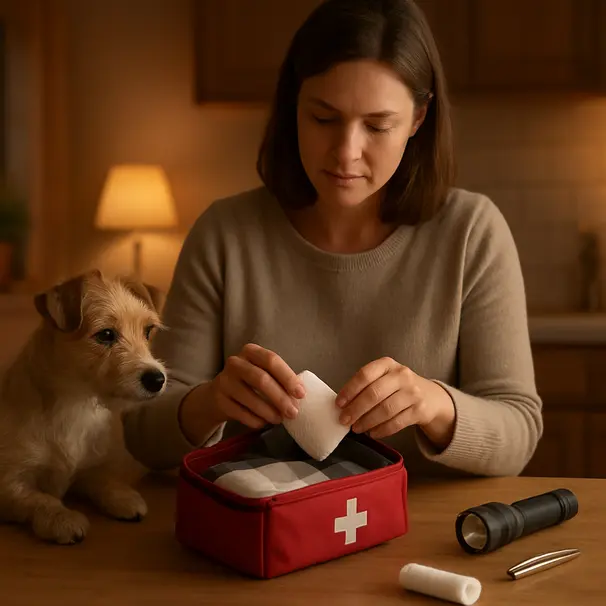
- First aid kit: A simple kit can include bandage material, gauze, tweezers, a digital thermometer, and saline for eye rinsing. Know how to use each item.
- Transport plan: Know how to safely transport the pet to a vet. Keep a carrier clean and accessible for cats or small dogs, and a leash for larger dogs.
- Recognizing trouble: Signs like severe difficulty breathing, uncontrolled bleeding, collapse, or sudden severe pain may require immediate veterinary attention. If in doubt, contact a professional right away.
Building a positive relationship: small actions that matter
Pet care is emotional work. A few thoughtful gestures help build trust between pets, owners, and carers.
- Slow introductions: When meeting a new pet, let them approach you. Offer a hand palm-down and allow sniffing on their terms.
- Gentle handling: Use calm, confident movements, and avoid hovering over nervous animals. Speak softly and move slowly.
- Reward-based interactions: Positive reinforcement works wonders. Treats, praise, and short play sessions can create a friendly association with the carer.
- Respect cues: If a pet signals discomfort, give space and check with the owner about their usual calming techniques.
These small habits create a comfortable experience for the pet and a respectful working relationship between owner and carer.
Final thoughts
Preventive care is mostly about consistency, observation, and good communication. Small habits—regular brushing, clear feeding notes, safety checks, and honest updates—can help avoid many problems and make life easier for everyone involved. If you ever notice a worrying change, consider reaching out to a veterinarian for guidance. Above all, keep the tone warm and patient. Pets respond to calm, kind care, and so do the people who love them.
Helpful checklist to share with a carer:
- Feeding schedule and portion sizes
- Medication chart with times and dosages
- Walk and play preferences
- Favorite calming techniques and toys
- Emergency vet and backup contact info
With these basics in place, carers and owners can enjoy more relaxed, joyful time with their furry friends. Small preventive steps today can mean fewer surprises tomorrow, and a lot more tail wags and purrs along the way.