

Preparing a travel care handover for your pet carer
Leaving your pet with a trusted carer can be a relief, and it can also feel a little nerve wracking. The good news is a thoughtful handover can make the whole experience smoother for everyone. This guide gives you warm, practical steps to prepare clear instructions, tidy up supplies, and build a communication plan that helps your pet thrive while you’re away.
Start early and build a simple checklist
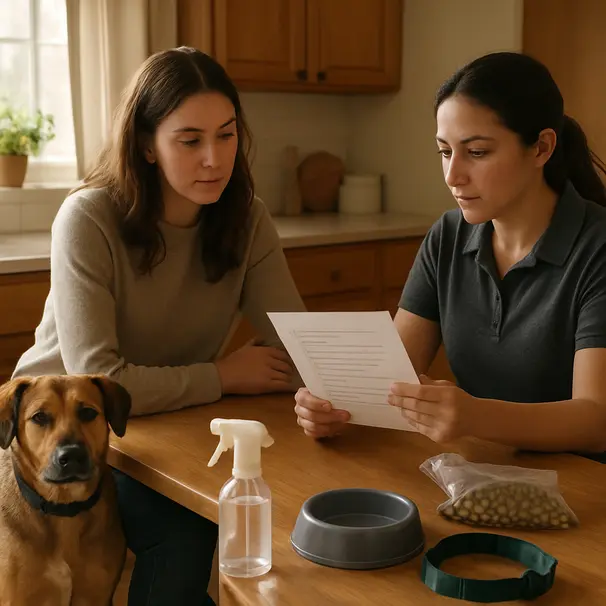
Packing everything at the last minute increases the chance you’ll forget something important. Start preparing at least a week before you travel. Break tasks into small, manageable steps and tick them off as you go. A checklist keeps you calm and shows your carer that you’ve thought things through.
- Create a single-page summary for quick reference
- Gather food, medications, toys, and bedding
- Organise medical records and contact details
- Schedule a meet-and-greet with the carer before your trip
A single-page summary is a lifesaver. Think of it as the quick guide your carer will read in the middle of their walk or while making dinner. Keep it short but specific.
What to include in the handover
Clear information matters more than long documents. Aim for clarity, not volume. Use headings, bullet points, and short paragraphs so carers can find what they need at a glance.
Essential daily details
- Feeding: brand, portion sizes, times, and where food is stored
- Walks and exercise: typical duration, preferred routes, off-leash permissions
- Toilet routine: times, cues, and how you handle accidents
- Sleep spaces: where your pet normally sleeps and any rules about furniture
Medication and health notes
If your pet takes medication, write down names, doses, times, and step-by-step instructions for administering them. Consider including photos of the medication and the container.
Use language like “give with food” or “offer gently” rather than medical conclusions. If anything seems unusual or urgent, encourage the carer to contact a vet and provide the preferred clinic and out-of-hours numbers.
Behaviour and training cues
Every pet has quirks. Share realistic, helpful notes that will help the carer read your pet’s signals.
- Food aggression, leash reactivity, or fear of loud noises
- How your pet prefers to be approached or handled
- Commands your pet knows and how you praise them
- Comfort items that help during anxious moments
A short example is effective: “If Rufus freezes at the door, wait two minutes and try a treat. He calms quickly if you speak softly.”
Emergency contacts and vet information
Put emergency contacts at the top of your handover. Include:
- Your contact details and time zone information
- A local emergency contact who can access the house if needed
- Your veterinarian’s daytime and after-hours clinic numbers
- Any pet insurance details and policy numbers
Label the emergency section clearly. It should be visible from the first line of the page.
Practical items to leave with your carer
Think like your pet and like the carer. What will make a day feel normal for your pet and straightforward for the carer?
- Food and measured portions in labelled bags or containers
- Medications in a pill organiser or clearly labelled containers
- Favourite toys and comfort items
- Bedding and an extra blanket
- Extra leash, harness, and a spare collar with an ID tag
- Waste bags, cleaning supplies, and litter essentials
Label everything. A pen and sticky notes are a low-tech solution that removes guesswork.
The meet-and-greet and trial run
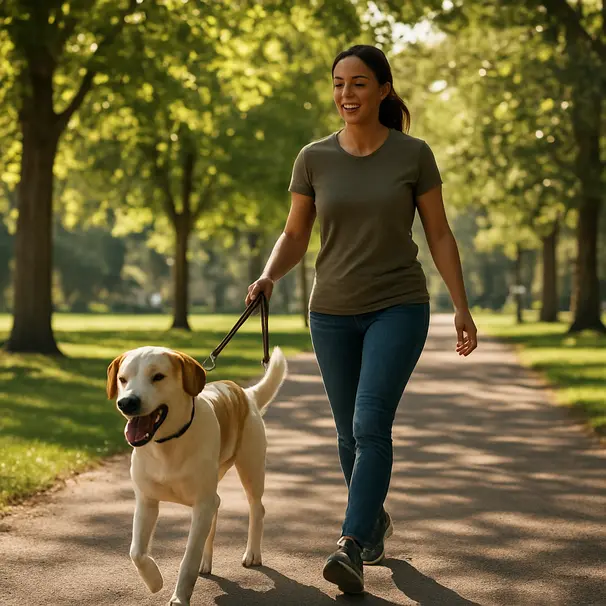
A face-to-face introduction gives your pet a chance to meet the carer in a low-pressure setting. Schedule a short trial visit or a walk so everyone can get comfortable.
During the meeting, walk through your home and show where supplies live. Let the carer ask questions while your pet shows their personality. If your pet needs time to warm up, be patient. The carer will appreciate any insight on how your pet behaves in different rooms or situations.
Tips for a successful meet-and-greet:
- Keep the first meeting short and relaxed
- Offer a short walk or play session to help pets settle
- Show the carer how to give medication or use a carrier
- Demonstrate any special opening or security systems
If you can, do a short trial stay where the carer watches your pet for a few hours. This reveals practical details you might not have thought of, and it builds confidence for both of you.
House access, security, and keys
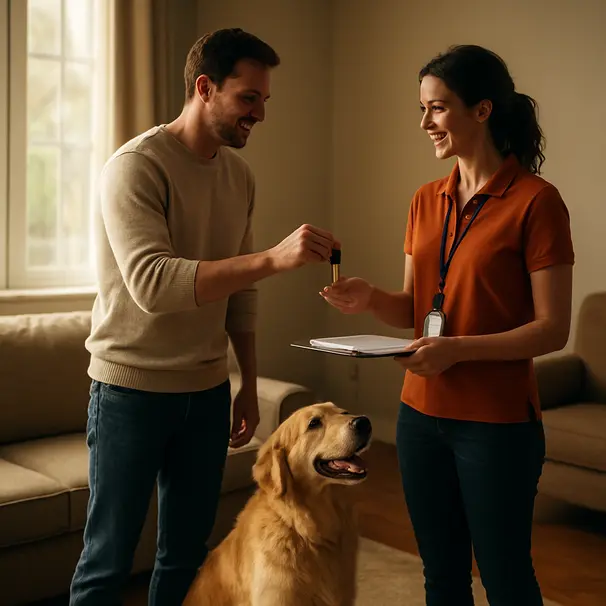
Make access easy and secure. Decide whether you’ll leave a key, use a lockbox, or provide temporary alarm codes.
- Label keys and note any quirks like sticky locks
- Write out alarm instructions step by step
- Show where spare light bulbs, chargers, and first aid kits are located
If a neighbour is willing to help in an emergency, add their name and phone number. A generous neighbour can be a huge comfort.
Communication and updates
Agree on how often you’d like updates and what type. Most owners want a quick photo and a short message each day. Some prefer scheduled check-ins by text or a call.
- Set expectations: short daily updates, plus immediate contact for emergencies
- Choose the medium that suits you both: text, voice note, or app messaging
- Ask for specific things in updates, like eating, toileting, and mood
Respect the carer’s time. A concise message like “Ate morning meal, 20-minute walk, calm” is more useful than a long narrative. Likewise, carers should be encouraged to contact you right away for anything out of the ordinary.
Handling special situations
Plan for the unexpected. A little preparation can prevent stress if something doesn’t go to plan.
- If medication is refused: suggest ways to hide it in food and when to call you or the vet
- If your pet hides or refuses to eat: note calming strategies and comfort items
- If your pet has separation anxiety: detail successful soothing steps
Remind carers they have permission to make reasonable decisions for the pet’s welfare. Write down a clear decision-making threshold, for example: “If body temperature is over 39.5°C or continuous vomiting occurs, contact the vet and call me immediately.”
Use gentle, non-alarmist language. You want carers to act, not freeze.
Leaving clear instructions for visitors and routines
If you have regular visitors, dog walkers, or other services, outline who comes and when. Make a small schedule:
- Morning: feeder, short walk, medication
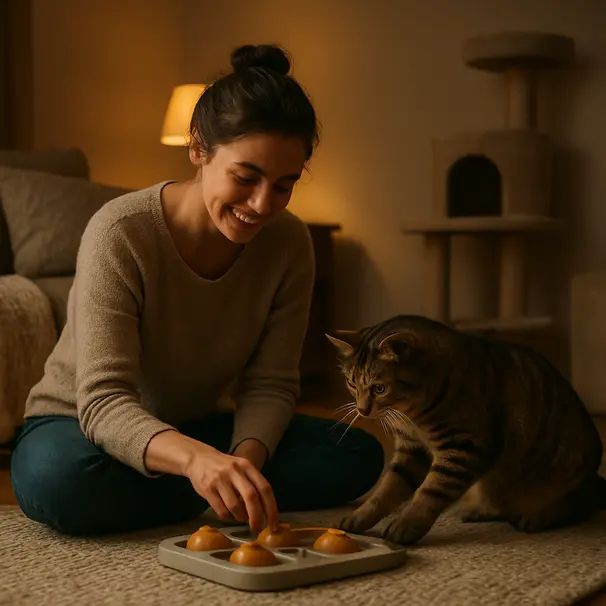
- Midday: play session or enrichment toy
- Evening: longer walk, dinner, calming ritual
Include any household rules that affect the pet. For example, “No visitors in the bedroom between 9pm and 7am” or “Keep balcony doors closed at all times.” The carer should feel comfortable enforcing your rules.
How to present medications safely
Showing, not telling, helps. Arrange medications in the order they are given and include a photo of each medication. If a medication is unusual or tricky, demonstrate how you give it during the meet-and-greet.
Label each dose with the time and amount. If injections are involved, confirm the carer’s comfort level and consider arranging a nurse visit if needed. Always suggest consulting the vet if the carer is unsure.
Payment, tipping, and gratitude
Be clear about payment terms ahead of time. Discuss whether tips or extra time will be paid for special circumstances like extended walks, late-night calls, or emergency trips to the vet.
A heartfelt thank-you note and a small tip often go a long way. Carers are people who love animals, and kindness is remembered.
Returning home and the debrief
When you return, take a little time to debrief with your carer. Ask how things went, what worked well, and what could be improved for next time. This conversation helps you fine-tune your instructions for future trips.
Check your pet slowly for signs of stress or change. A relaxed pet on your return likely had a comfortable stay. If there are unexpected behaviors, make notes for your vet or future carers.
Final checklist before you go
- Leave a one-page quick guide on the kitchen counter
- Pack food and medications in labelled containers
- Set up a communication plan and emergency list
- Do a meet-and-greet or short trial stay
- Leave house access and alarm instructions clearly written
- Thank your carer and confirm payment details
Parting thoughts
A calm, well-prepared handover gives your pet the best chance of feeling safe while you travel. Focus on clarity, kindness, and practical details. Trust builds quickly when carers have the right information and the tools they need. That trust lets you relax and enjoy your trip, knowing your pet is in good hands.
If you keep the handover short, clear, and honest, your pet carer will thank you, and your pet will settle more easily. Safe travels, and give your floofy friend an extra cuddle from us before you go.