


Preparing Your Pet for Boarding: A Calm and Practical Guide
Leaving a pet with a carer can feel emotional. A little preparation can ease nerves for everyone, and make the stay safe, comfortable, and even enjoyable for your pet. This guide gives owners and pet carers a clear, friendly checklist to follow before, during, and after boarding. Use it to share important information, pack comfort items, and set expectations.
Start early: booking, meet-and-greets, and introductions
Booking and introductions matter. Give yourself time to find the right match, and allow your pet to meet the carer and location before the overnight stay. A few tips:
- Book with cushion time, not last minute. Pets settle better with a predictable plan.
- Arrange a short meet-and-greet at the home or facility. Watch how your pet reacts to the carer and space.
- If possible, schedule a trial day stay before a long trip. A daytime visit can help both pet and carer learn routines.
What to observe during a meet-and-greet:
- How does your pet greet the carer? Calm sniffing and relaxed posture are good signs.
- Is the space safe and free of escape routes? Look at gates, fences, and window screens.
- Does the carer use gentle handling and clear cues? A calm voice and patient approach can put pets at ease.

Health and safety checklist: paperwork, vaccinations, and medications
Health and safety are non-negotiable. Before boarding, make sure the carer has clear, up-to-date information.
Documents and records to provide:
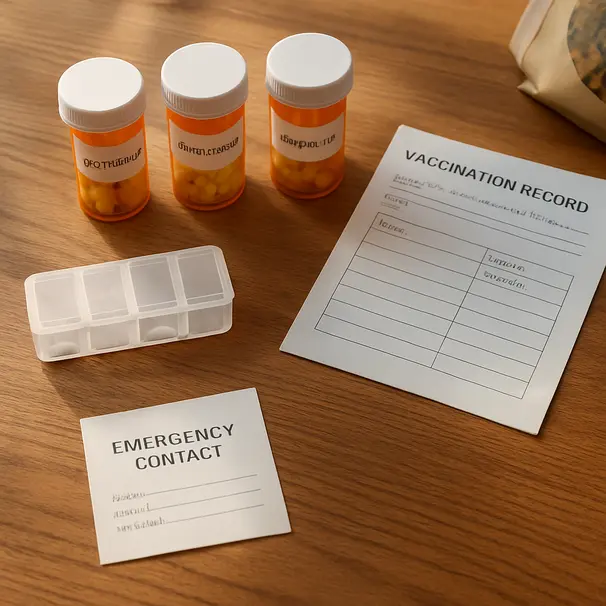
- Contact details for you and a local emergency contact who can act if you are unavailable.
- Current vaccination records, including dates. Many carers may ask for rabies and core vaccines.
- A signed boarding agreement or care contract, outlining fees, emergency procedures, and liability.
Medications and medical notes:
- Provide medications in clearly labeled containers with dosing instructions. Consider a pill organizer if multiple doses are needed.
- Write step-by-step instructions for giving medications, and note any side effects to watch for.
- Mention chronic conditions, allergies, and recent illnesses. Use calm, factual language.
When to consult a vet:
- If your pet has a recent health issue, consider a vet check before boarding.
- For surgical recovery, serious injuries, or unstable conditions, boarding may not be appropriate.
- If you’re unsure about medication interactions or dosing schedules, consult your vet and share their advice with the carer.
Safety around the environment:
- Note any risky household items, plants, or foods that are toxic to pets.
- Share leash, harness, and collar details, including proper fit and ID tags.
- Consider microchipping and verify the microchip contact details are current.
Comfort and routine: what to pack and why it matters
Comfort items reduce stress. Pack familiar things that smell like home and follow your pet’s routine as closely as possible.
Essentials to pack:
- Food: bring the usual brand and amount in labeled containers. Sudden diet changes can upset stomachs.
- Feeding instructions: include amounts, frequency, and whether your pet eats from a bowl or puzzle feeder.
- Medication: labeled with dosing times and any special administration notes.
- Bedding and favorite blankets or toys: these items can provide comfort and make a new space feel familiar.
- Leash, harness, and carrier: include backups in case an item fails or gets dirty.
- Grooming items if your pet prefers a specific brush or shampoo.
Optional but helpful items:
- An unwashed T-shirt with your scent in a sealed bag, to ease separation anxiety.
- A short video of your pet’s routine for the carer to reference, such as feeding or favorite commands.
- A small treat stash for training and positive reinforcement, with ingredient notes if your pet has allergies.
Label everything with your contact details and your pet’s name. Clear labeling prevents confusion and speeds up care.

Behavior and social notes: cues, triggers, and preferred interactions
Good handover includes behavioral context. Share honest, specific notes so the carer knows how to make the stay comfortable.
Key behavior points to share:
- Temperament summary: friendly, shy, flighty, dominant, calm, or a mix.
- Triggers: loud noises, fast movements, certain types of handling, or other animals.
- Comfort cues: how your pet asks for attention, when they want to be left alone, and calming signals they use.
- Training cues and commands: known commands, recall reliability, and how your pet responds to praise or treats.
Managing separation anxiety and stress:
- If your pet shows signs of separation anxiety, describe successful calming strategies you use, such as short departures, enrichment toys, or background noise.
- Consider leaving an item of clothing with your scent, and ask the carer to follow a similar routine for departures and returns to reduce drama.
If your pet has aggression history or resource guarding, be clear and matter-of-fact. Provide step-by-step guidance on safe management, and recommend a trainer or behaviorist if needed.
Communication and emergency planning: set expectations early
Clear communication keeps both sides calm. Outline preferred contact methods and when to call.
Communication checklist:
- Preferred contact method and best hours to reach you.
- Permission levels: when can the carer make medical decisions? If a vet visit is required, do you want to be called first, or is there preauthorization for a spending limit?
- Emergency vet information: provide your vet’s phone number and a nearby 24-hour clinic location.
- Photo updates: agree on whether you’d like daily photos, video messages, or only calls for concerns.
Emergency plan details:
- Provide a simple escalation plan: minor illness versus serious injury, and what steps the carer should take.
- Consider setting a reasonable spending cap for emergency care, and specify how to reach you quickly if costs may exceed that limit.
Respect for boundaries and trust:
- If you expect the carer to follow certain routines or avoid specific activities, state them clearly in writing.
- Ask how the carer documents incidents and health notes. A short daily log can help you see how your pet adjusted.
For pet carers: preparing the environment and the first 24 hours
Carers play a central role in making the transition smooth. A predictable environment and patient introductions help pets settle.
Before arrival:
- Do a safety sweep. Remove small items, secure trash, and check fences and gates.
- Prepare a quiet space with bedding, water, and a scent item from the owner.
- Set out the food and medication areas, and test any locks or carrier latches.
First 24 hours routine:
- Allow a calm arrival. Let the pet explore on their own timetable, under supervision.
- Follow the owner’s feeding and walk schedule as closely as possible.
- Keep initial interactions low-key. Use gentle praise and slow movements.
- Monitor for stress signs such as panting, pacing, hiding, or reduced appetite.
Notes for multi-pet households:
- Introduce new dogs or cats gradually and outdoors if possible.
- Supervise initial interactions and separate feeding areas to avoid resource guarding.
Documentation and reporting:
- Keep a short log of meals, walks, bathroom breaks, and any behavioral observations.
- Photograph minor injuries or odd symptoms and report them promptly to the owner.

Pickup day and settling back home: transition and post-boarding care
Pickup can be emotional. A calm reunion and a short debrief help the owner and pet reconnect.
Tips for pickup:
- Provide a handover summary: meals taken, medication given, bathroom habits, and any behavioral notes.
- Share photos from the stay, and mention anything that seemed off or particularly positive.
- If the pet ate or slept less than usual, suggest a gentle reintroduction to normal routines.
After homecoming:
- Allow your pet a quiet day to decompress, especially after travel.
- Watch for subtle signs of stress or illness, and contact the carer if you have questions about the stay.
- Consider a short walk or familiar activity to re-establish your routine.
Quick printable checklist: what to bring and what to share
For owners to hand over on arrival:
- Owner contact details and emergency contact.
- Vaccination records and vet information.
- Medication list and labeled doses.
- Feeding instructions and usual schedule.
- Behavior notes and preferred calming techniques.
- Signed boarding agreement and spending authorization if needed.
Items to pack in a labeled bag:
- Food for the whole stay, or exactly measured portions.
- Favorite bedding and toys.
- Leash, harness, and carrier.
- Medications with dosing instructions.
- A clean T-shirt with your scent, if your pet finds comfort in it.
Closing notes: kindness, clarity, and a smoother stay
Boarding doesn’t need to be stressful. Thoughtful preparation, honest communication, and clear labeling make a big difference. Owners feel better when they know the carer has everything they need. Carers do a better job when they receive accurate routines and clear permissions.
Be patient with your pet and with each other. Little details matter, and kindness goes a long way. If there are health questions, consider consulting your vet ahead of time, and make sure all parties understand the plan. With a good handover, your pet can have a safe, comfortable, and even fun stay while you’re away.
Printable checklist summary:
- Meet-and-greet or trial stay
- Updated medical records and emergency contacts
- Labeled food, medication, and comfort items
- Clear behavior notes and handling tips
- Communication and emergency spending plan
Happy travels, and here’s to peaceful boarding for pets and their people.