


Pumpkin for dogs: a friendly guide
Pumpkin has a big personality for such a humble vegetable. It is colorful, versatile, and often associated with cozy autumn moments. For dog owners and carers, pumpkin can be an easy, low-cost tool to support digestion, add fiber, and create tasty treats. This post takes a practical look at how to use pumpkin safely and enjoyably, with tips, recipes, and precautions.
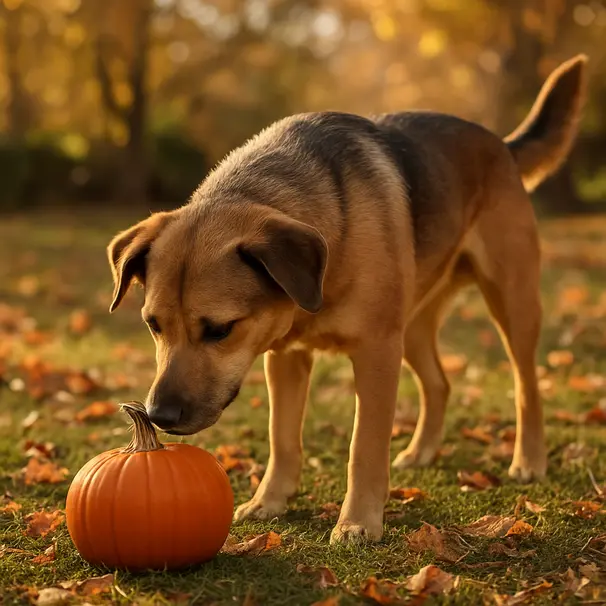
Is pumpkin safe for dogs?
Short answer, yes, plain cooked pumpkin or plain canned pumpkin puree can be safe for many dogs. It is important to use the right kind of pumpkin and to introduce it gradually. Avoid sugary or spiced pumpkin products meant for humans, because they can contain ingredients that are harmful to dogs. Consider talking to your veterinarian if your dog has a medical condition or special dietary needs before adding pumpkin to their routine.
What counts as “plain” pumpkin?
- Plain canned pumpkin puree, with only pumpkin listed in the ingredients.
- Fresh pumpkin cooked and mashed at home.
- Small amounts of plain roasted pumpkin without added salt, butter, sugar, or spices.
Do not feed pumpkin pie filling, pumpkin desserts, or anything with cinnamon, nutmeg, or xylitol. Those ingredients can be harmful.
Nutritional picture: what pumpkin brings to the bowl
Pumpkin is not a complete food for dogs, but it can offer helpful components in moderation.
- Fiber: Pumpkin contains soluble and insoluble fiber, which may help regulate bowel movements and support healthy digestion.
- Moisture: Cooked pumpkin adds water to food, which can be useful if your dog needs more hydration in meals.
- Vitamins and minerals: There are small amounts of vitamin A, potassium, and other nutrients that contribute to overall health.
Keep expectations realistic. Pumpkin is a complementary food, not a cure. Phrases like may help and can support are useful when thinking about pumpkin’s role.
Types of pumpkin you can use
- Canned pumpkin puree: This is the most convenient option. Choose a product labeled 100% pumpkin or 100% pure pumpkin puree. Read ingredient lists carefully.
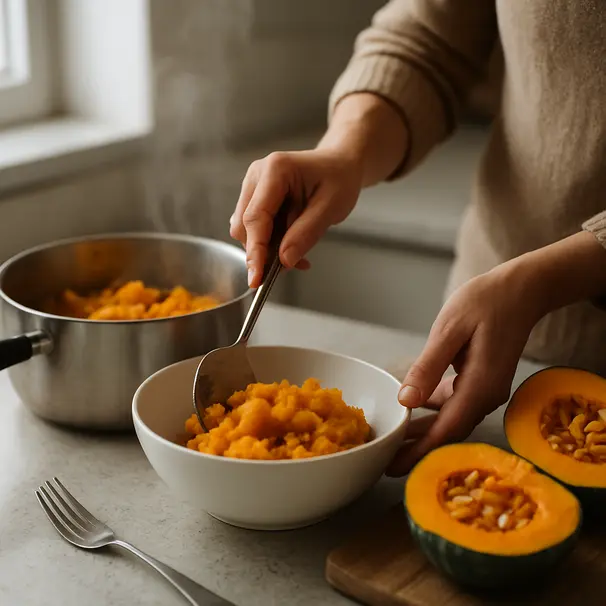
- Fresh pumpkin: Use sugar pumpkins or pie pumpkins rather than large carving pumpkins. Cook them until soft, then mash or puree.
- Cooked pumpkin flesh: Roast or boil pumpkin pieces, then remove the skin and mash.
Avoid raw seeds in large amounts. Pumpkin seeds can be offered in small quantities if shelled and ground, and only if you know your dog tolerates them. Seeds may be nutritious, but they can pose a choking risk or cause digestive upset if offered whole to smaller dogs.
How to serve pumpkin safely and how much to give
Serving recommendations vary by size and individual needs. Start slow and watch your dog’s response.
- Small dogs (under 20 pounds): 1 teaspoon to 1 tablespoon per meal.
- Medium dogs (20 to 50 pounds): 1 to 2 tablespoons per meal.
- Large dogs (over 50 pounds): 2 to 4 tablespoons per meal.
These are general suggestions. Try one teaspoon for a small dog and wait 24 hours to see how they react. If stools seem firmer or softer, adjust accordingly. If you notice vomiting, persistent diarrhea, lethargy, or any worrying signs, stop feeding pumpkin and check with a vet.
Ways to add pumpkin to a meal:
- Mix a spoonful into kibble or wet food.
- Use pumpkin as an occasional topper to encourage appetite.
- Make small pumpkin treats for training or enrichment.
Preparation and storage tips
- If using fresh pumpkin, remove seeds and stringy bits, cook until tender, and mash or blend. The skin is tough and not appetizing; remove it first.
- If using canned puree, transfer unused portions to an airtight container and keep refrigerated. Use within a few days, or freeze small portions for later.
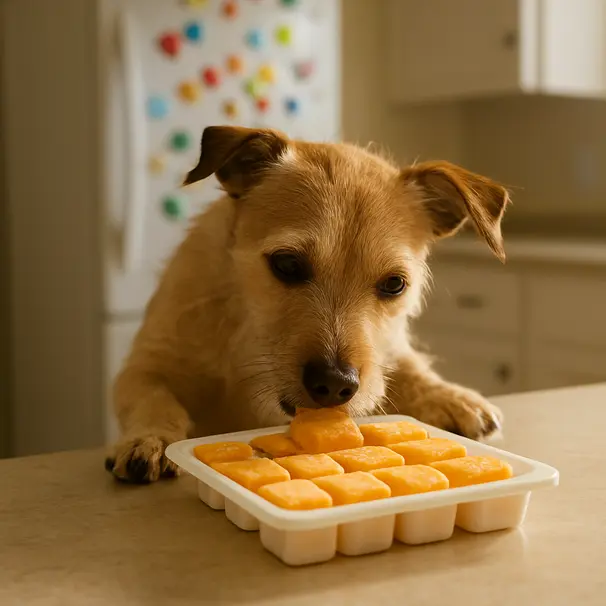
- Freeze pumpkin in ice cube trays for single-serve portions, then pop the cubes into a bag for easy access.
Food safety matters. Avoid cross-contamination with raw meats and keep cooked pumpkin chilled.
When pumpkin may help
Pumpkin can be a gentle first-line option to try for mild digestive upsets. Consider using it when you see:
- Mild constipation, as the fiber may help bulk stools.
- Mild diarrhea, as a small amount of soluble fiber can sometimes firm stools.
- Slow weight management, because pumpkin is low in calories but adds bulk and satiety.
Use the phrase may help and be cautious. If digestive issues are severe, prolonged, or accompanied by other symptoms like blood in stool, persistent vomiting, or a change in behavior, contact a veterinarian promptly. A vet can assess whether pumpkin is appropriate and what other treatment may be needed.
Risks and things to watch for
- Too much pumpkin can cause diarrhea or loose stools. Increase amounts slowly and observe.
- Spiced or sweet pumpkin products can be toxic or upsetting. Keep those away from dogs.
- Allergies are rare but possible. Monitor for itching, hives, swelling, or vomiting after initial servings.
- Seeds and skin: whole seeds may be a choking hazard and pumpkin skin can be difficult to digest.
- Underlying conditions: dogs with pancreatitis or certain dietary restrictions may need special care. Ask a vet if you are unsure.
Choosing the right pumpkin at the store or market
If you pick a fresh pumpkin:
- Choose a smaller sugar or pie pumpkin for sweeter flesh and easier cooking.
- Look for firm skin without soft spots or mold.
- Smaller pumpkins tend to be less watery and more flavorful.
If buying canned pumpkin:
- Pick a brand that lists only pumpkin on the label.
- Avoid cans labeled “pumpkin pie mix” or similar.
Pumpkin vs other squash
Many winter squash varieties are similar nutritionally. But keep names straight. Butternut squash, acorn squash, and kabocha are often okay if cooked plain, yet they can differ in sugar content and density. If swapping with a different squash, start with small portions and monitor how your dog reacts.
Easy homemade pumpkin ideas and recipes
Here are three simple, practical recipes you can try. These are meant as occasional additions, not daily staples.
1. Pumpkin and kibble topper
Ingredients:
- 1 tablespoon plain pumpkin puree
- 1 teaspoon warm water or low-sodium broth
Mix and add to your dog’s meal to increase moisture and palatability. For small dogs reduce the pumpkin portion.
2. Frozen pumpkin treats for warm days
Ingredients:
- 1/2 cup plain pumpkin puree
- 1/4 cup plain yogurt (use unsweetened, xylitol-free yogurt)
- A spoonful of mashed banana (optional)
Method:
- Mix ingredients until smooth.
- Spoon into silicone molds or an ice cube tray.
- Freeze until solid. Offer one cube as a treat, adjusting for your dog’s size.
3. DIY stuffed toy reward
Ingredients:
- 1 tablespoon pumpkin puree
- A smear of peanut butter (xylitol-free)
Method:
- Spread peanut butter inside a durable food puzzle toy.
- Add a dollop of pumpkin in the center.
- Freeze for a longer-lasting enrichment session.
Practical tips for pet carers and sitters
When you are caring for someone else’s dog, follow the owner’s feeding instructions closely. If the owner notes pumpkin is part of the routine, ask about portion sizes and whether the dog has any food sensitivities.
- Always get permission before offering pumpkin or other treats.
- Offer pumpkin in measured amounts so it does not upset the dog’s digestive balance.
- Note any changes in stool or behavior and report back to the owner.
Pumpkin can be a gentle, rewarding treat for training when used sparingly. It’s easy to portion and usually well liked by many dogs.
Real-life examples and gentle troubleshooting
- If your dog gets a little loose stool after a first serving, reduce the amount by half and wait a day. Many dogs adapt to a small amount of fiber quickly.
- If your dog refuses pumpkin, try mixing a small amount with their food or combining it with a favorite topper. Not every dog loves the texture.
- For picky eaters, warming a small spoonful of pumpkin very slightly can increase aroma and appeal.
Final thoughts: pumpkin as a friendly tool
Pumpkin is an approachable, affordable addition to many dogs’ diets. It has a mild flavor, useful fiber, and lots of flexible serving options. Use it thoughtfully, in moderation, and with attention to how your dog responds. When in doubt, ask a veterinarian, especially if your dog has ongoing health issues. With a little preparation and common sense, pumpkin can be a cozy, helpful choice that both owners and carers reach for when they want something simple and supportive.
If you try any of the recipes or pumpkin tips while pet sitting, make a quick note in your care report. Little details like what and how much you fed help owners keep routines steady and dogs comfortable.
Happy pumpkin season, and enjoy those wagging tails and contented snores that come from a well-fed, well-loved dog.