


A warm welcome to puppy life
Bringing a puppy into your life is equal parts joy and responsibility. Whether you’re an owner or a carer, you’ll be guiding a tiny dog through a rapid phase of learning and growth. The goal of this guide is to offer practical, friendly advice you can use right away: feeding, socialization, basic training, health considerations, and how to work together smoothly with other carers.
Puppies change fast. Their needs shift week by week, and small, consistent actions pay off more than dramatic fixes. Keep things relaxed, predictable, and full of encouragement.

Getting to know your puppy: the first weeks
Puppies are born ready to soak up the world. The first eight to twelve weeks are intensive: they learn how to be dogs and how to expect the world to behave toward them.
- Watch body language. A wag isn’t always a friendly sign; squinty eyes, frozen posture, or lip licking can mean stress. Learning to read these cues early means you can step in calmly before problems grow.
- Establish routines. Feed, play, and sleep at regular times. Routine reduces anxiety and sets the stage for training.
- Gentle introductions. Let new people and pets approach slowly. Keep early meetings short and rewarding, and let the puppy choose how close to get.
Why early interactions matter: puppies form bonds and expectations quickly. Positive experiences with different ages, surfaces, and noises help build confidence.
Nutrition and feeding: fuel for growth
Good nutrition supports bones, brains, and energy levels. Puppies often need more calories per pound than adult dogs, and the right balance of protein, fat, and calcium is important.
- Choose puppy-formulated food from a reputable brand. These are usually balanced for growth.
- Follow feeding guidelines but watch the puppy’s body condition. A slightly pudgy puppy may still be healthy; a visibly ribs-showing pup needs attention.
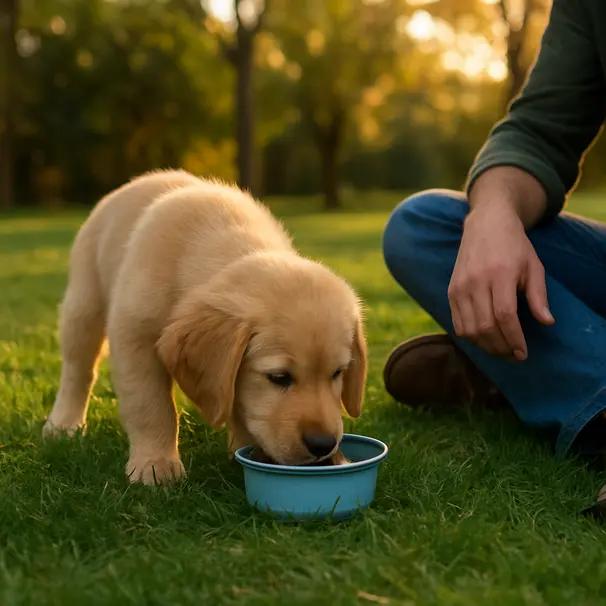
- Frequent, smaller meals work best in the early months. Many puppies eat three to four times daily, then slowly reduce to two meals as they mature.
- Avoid abrupt changes. If you need to switch food, transition over 5–7 days by mixing increasing amounts of the new food.
Considerations for carers: agree on food brand, portion sizes, and feeding times with the owner. Consistency avoids tummy upsets and accidental overfeeding.
Socialization: building a confident dog
Socialization is a skill, not a single event. It’s about creating positive associations with new people, places, animals, sounds, and textures.
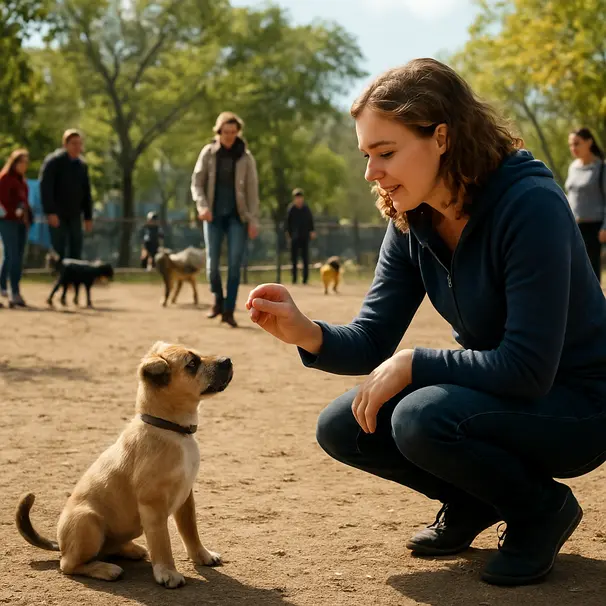
- Start slowly and positively. Show treats, smile, and keep sessions short.
- Include different ages and appearances: kids, adults with hats, people using mobility aids, calm older dogs.
- Expose puppies to common environments: quiet streets, parks, vet waiting rooms, and safe cafés or outdoor patios where dogs are welcome.
- Puppy classes can be excellent for supervised interactions and early training basics.
Timing note: many trainers emphasize exposure during the early months, but always prioritize safety and avoid risky contact with unknown dogs until vaccines are complete.
Training basics: teach the foundations
Training is the language that helps you and the puppy understand each other. Start simple, and keep it fun.
- Name recognition. Say the puppy’s name, give a treat, and reward attention.
- Sit, come, and leave it. These three commands pay off in safety and daily life.
- Short sessions win. Five-minute bursts several times a day beat one long lecture.
- Use positive reinforcement. Treats, praise, and play create quick learning and strong bonds.
Consistency across carers is crucial. Make a short written list of cues, rewards, and the exact words you use. If the owner wants “leave it” instead of “drop it,” everyone should use the same phrase.
Crate training and sleep routines
Many puppies feel safer with a den. Crate training can help with house training and give puppies a restful, private space.
- Introduce the crate gently. Place treats and toys inside, leave the door open at first, and let the puppy explore.
- Avoid using the crate as punishment. It should be a positive place.
- Establish a nightly routine: a calm walk, a last bathroom break, then a crated rest with a soft blanket or toy.
- Expect night wakings. Young puppies often need a bathroom trip. Gradually they will sleep longer stretches.
For carers: follow the owner’s established crate schedule. If you need to change routines, communicate and note how the puppy responded.
Health basics and vet visits
Regular vet care keeps puppies on track. Vaccination schedules, parasite control, and checkups are essential.
- Schedule the first vet visit early for a wellness check and vaccine plan.
- Watch for signs of distress: persistent vomiting, diarrhea, sudden lethargy, or trouble breathing. These may need prompt attention.
- Keep a health notebook. Record vaccine dates, deworming, flea prevention, and any concerns. This helps carers and owners share accurate updates.
This is not medical advice. Consider discussing any health concerns with your veterinarian.
Grooming and daily care
Early grooming helps puppies accept handling and reduces stress later in life.
- Touch their paws, ears, and mouth gently during play so they get used to examination.
- Brush regularly, especially for breeds with longer coats. Start with short, pleasant sessions.
- Introduce baths slowly. Use lukewarm water, puppy-safe shampoo, and dry thoroughly.
- Trim nails carefully or have a professional do it if you’re unsure. Loud clippers or rough handling can create fearful associations.
Safety and puppy-proofing your home
Puppies are curious explorers. A quick safety sweep prevents common accidents.
- Put toxic plants, medications, and cleaning products out of reach.
- Secure electrical cords and small objects that can be swallowed.
- Block off stairs or pools until the puppy is confident.
- Use gates to limit access to areas that aren’t supervised.
For carers: ask the owner about household hazards and any off-limits rooms. A short checklist shared between carers can be a game-changer.
Enrichment and play: brain games for busy puppies
Puppies need mental stimulation as much as physical exercise. Boredom can lead to chewing or frantic behavior.
- Rotate toys to keep interest fresh. Puzzle feeders slow down fast eaters and provide mental challenge.
- Short, structured play sessions satisfy energy without overwhelming attention spans.
- Scent games are excellent: hide treats around a room and encourage the puppy to sniff them out.
- Teach simple impulse control games, like waiting for permission to take a toy, to build focus.
Balance active play with quiet enrichment. Puppies also need calm time to process and rest.
Working with pet carers: communication and teamwork
If you’re an owner coordinating with carers, or a carer working for someone else, good communication builds trust and consistency.
- Share a care plan. Include feeding amounts, potty schedule, commands, favorite toys, and any behavioral triggers.
- Leave emergency contacts and vet details where they’re easy to find.
- Use photos or short videos to show how the puppy handles certain routines. Visual examples help carers mirror the owner’s style.
- Be clear about boundaries. If the puppy isn’t allowed on furniture, make that clear and explain how you ask the puppy to move.
Small habits create big differences. A shared note that the puppy prefers a certain collar or gets anxious with loud vacuuming helps everyone respond appropriately.

Troubleshooting common puppy issues
A few bumps are normal. Here’s a brief guide for common hiccups:
- Chewing: puppies explore with their mouths. Provide sturdy chew toys and puppy-proof tempting items. Redirect gently rather than scolding.
- Potty accidents: expect them. Keep a consistent schedule and reward outside success. Clean indoor accidents with enzymatic cleaners to remove scent.
- Fearful moments: pause, give space, and offer treats at a distance. For ongoing fears, consult a trainer or behaviorist.
- Overexcitement: teach a settled greeting. Ask visitors to ignore the puppy until calm, then reward calm behavior.
If problems persist or you’re worried about dog-dog or dog-human aggression, consider seeking professional help.
A quick puppy-care checklist (for owners and carers)
- Food and portions confirmed
- Feeding schedule written down
- Crate rules and bedtime routine
- Vaccine and vet details noted
- Favorite toys and enrichment list
- Emergency contacts and vet clinic location
- Notes on behavior triggers and favorite calming methods
Final thoughts: patience, consistency, and lots of love
Puppyhood is a short, brilliant season. Gentle, consistent care helps puppies grow into confident, well-behaved adult dogs. Celebrate small wins, communicate openly with any carers, and keep routines predictable. With time and kind guidance, that floppy-eared clumsy companion becomes a reliable, joyful friend.
If you’re ever unsure about feeding, health, or behavior concerns, consider consulting your veterinarian or a qualified trainer. Teamwork between owners and carers makes the journey smoother for everyone—including the puppy.
Happy puppy parenting and caring! Small, steady steps and a few treats go a long way.