


Puppy care and development guide for pet owners and pet carers
Welcoming a puppy to your home is one of the most joyful, confusing, and rewarding things you can do. This guide is written for both pet owners and pet carers who share the privilege of raising a puppy. You’ll find practical routines, socialization ideas, training basics, health and grooming tips, and advice for smooth communication between owners and carers.
Puppies grow fast. A little planning, patience, and consistent care will make that growth healthy and happy. Keep the tone gentle, try things slowly, and always check with a trusted vet when you’re unsure.
Preparing for a puppy
Start before the puppy arrives. A few thoughtful preparations can reduce stress for everyone.
Supplies checklist
- Food and water bowls, ideally stainless steel or ceramic
- A comfortable bed or a crate with soft bedding
- Collar, ID tag, and a properly sized harness
- Leash and a few sturdy toys for chewing and mental stimulation
- Puppy food recommended by your vet or breeder
- Grooming basics: brush, nail clippers, toothbrush, and toothpaste for dogs
- Cleaning supplies for accidents, puppy-safe disinfectant
Puppy-proofing tips
- Put houseplants, cords, and toxic foods out of reach
- Secure trash bins and small items that can be swallowed
- Block off stairs and fragile areas with gates
- Store cleaning supplies, meds, and chemicals in locked cabinets
Creating a safe space
- Designate a quiet corner for naps and retreat
- If crate training, make the crate cozy and inviting, but never use it as punishment
- Rotate toys so the puppy doesn’t get bored
Preparation helps pet carers step into their role with confidence. Owners can leave clear notes about routines, favorite toys, and any sensitivities.

The first weeks: feeding, sleep, and settling in
Those early days set habits that may last a lifetime. Expect a mix of curiosity, clinginess, and sleep. Puppies need frequent rest, reassurance, and structure.
Feeding
- Follow an age-appropriate feeding schedule. Young puppies often eat three to four small meals daily, then transition to two meals as they grow.
- Stick to the food the puppy is used to when possible to avoid tummy upset. If you need to change food, do it gradually over 7–10 days.
- Keep fresh water available at all times. Check bowls frequently and refill as needed.
Sleep and rest
- Puppies sleep a lot. Naps between play sessions are normal.
- A consistent bedtime routine can help. Quiet time, a short walk, or gentle play 30 minutes before bed often helps puppies settle.
- If the puppy cries at night, offer brief comfort without creating a long, stimulating interaction. Reassure and then allow them to sleep.
Settling in with carers
- Share a written routine with carers: feeding times, nap habits, crate preferences, and playtime rules.
- Demonstrate how to offer treats calmly and how to handle the puppy gently.
- If the puppy will stay with a carer overnight, do a short trial day first so the puppy can acclimatize.
Socialization and early learning
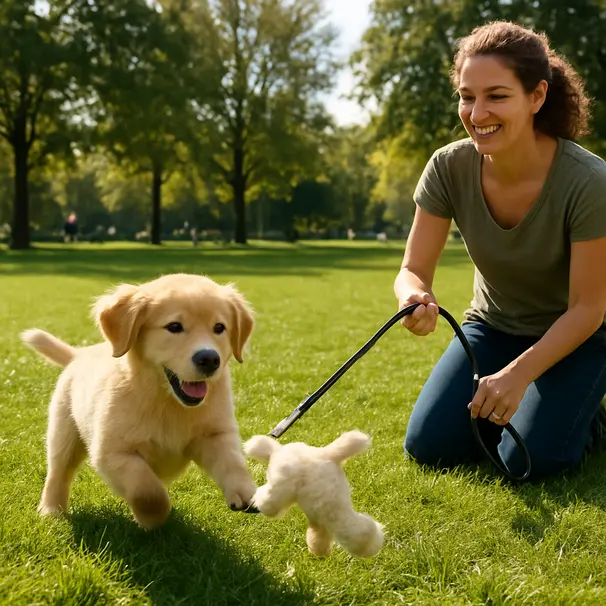
Socialization is one of the most important tasks in a puppy’s early months. Positive, gentle exposure to new people, places, and sounds can help puppies grow into confident adults.
Principles of good socialization
- Start early but move at the puppy’s pace. Keep experiences positive and short.
- Use tasty treats and praise to link new experiences with good things.
- Focus on calm, controlled introductions rather than overwhelming the puppy.
What to expose them to
- Different people: children, adults, people in uniforms, people wearing hats or sunglasses
- Other dogs and animals, but only when vaccinated and supervised
- Various surfaces: grass, pavement, tile, carpet, stairs
- Common sounds: vacuum, traffic, doorbells, thunder recordings at low volume
Safe doggy meet-and-greets
- Arrange short, supervised playdates with healthy, friendly dogs
- Let the puppy approach at their own pace; avoid forcing nose-to-nose contact
- Watch body language closely—relaxed posture and wagging are good signs
Socialization can help reduce fear-based behaviors later. If a puppy shows strong fear reactions, step back and try gentler exposures, and consider consulting a behavior specialist.
Health basics and vet care
Regular veterinary care supports long-term wellbeing. Here are practical steps to keep on top of puppy health.
Vaccines and parasite prevention
- Puppies usually start core vaccines between 6 and 8 weeks, with follow-ups every few weeks. Confirm schedules with your vet.
- Discuss flea, tick, and worm prevention options. These can be adjusted depending on environment and lifestyle.
When to call the vet
- Consider contacting a vet if you see persistent vomiting, severe diarrhea, difficulty breathing, extreme lethargy, or sudden limping.
- If the puppy swallows something dangerous, seek advice promptly.
Dental care
- Start brushing the puppy’s teeth early with dog-safe toothpaste to build a positive routine.
- Provide safe chew toys that promote dental health, but check toys regularly for damage.
Weight and growth
- Puppies don’t grow in a straight line. Regular weight checks help ensure they’re on a healthy path.
- Follow your vet’s guidance on ideal growth for breed and size.
Always encourage owners and carers to discuss medical questions with a vet. Avoid DIY medical fixes without professional input.
Crate training, house training, and basic manners
Training early builds trust and consistency. Keep sessions short, upbeat, and kind.
Crate training tips
- Make the crate a positive place: give treats, feeding, and short naps there.
- Start with the door open so the puppy can explore freely.
- Never use the crate for punishment.
- Use the crate for short periods while the puppy learns bladder control and routines.
House training basics
- Take the puppy to the same potty spot frequently: after waking, after play, and after meals
- Reward him immediately after he finishes with praise or a tiny treat
- Expect accidents and clean them calmly with enzymatic cleaners
- Be consistent about supervision; when unsupervised, keep the puppy in a contained area or crate
Teaching simple cues
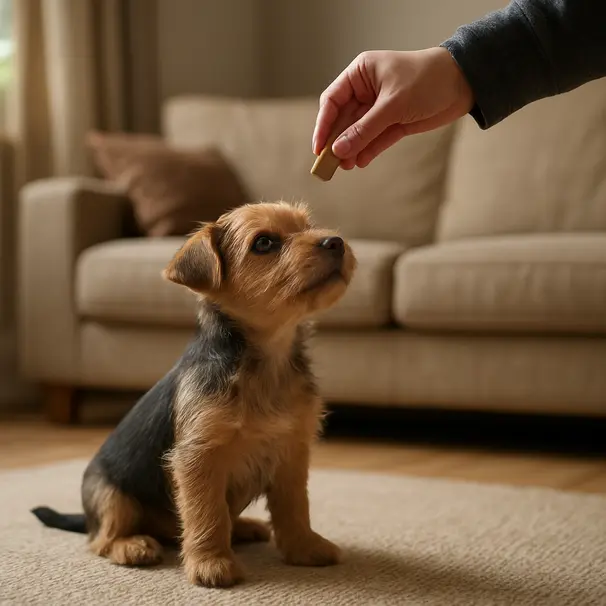
- Start with “sit” and “come” using rewards and praise
- Teach leash manners early: start with short indoor walks, then progress outside
- Avoid harsh corrections; redirect and reward good behavior instead
Bite inhibition
- Puppies mouth while exploring. Teach gentle play by stopping play briefly when nipping gets too hard
- Provide acceptable chew items and praise chewing those instead of hands
Training is a team effort. When owners and carers use the same cues and rewards, learning happens faster and stays consistent.
Exercise, enrichment, and mental stimulation
Puppies need more than physical exercise. Their brains tire quickly, so short bursts of activity combined with enrichment go a long way.
Age-appropriate exercise
- Keep walks short for very young puppies and avoid long runs until their growth plates mature
- Play active games in controlled bursts with rest between sessions
Mental enrichment
- Puzzle toys, treat-dispensing balls, and simple scent games can tire a puppy just as effectively as a long walk
- Short training sessions (5–10 minutes) multiple times a day reinforce learning and strengthen bonds
Weather and safety
- Adjust outdoor activity for temperature; puppies can overheat or get chilled quickly
- Protect paws from hot pavement and be cautious on icy or salted surfaces
Rotating activities keeps a puppy mentally sharp. Share a list of favorite games and enrichment tools with carers so playtime stays engaging and consistent.
Grooming and basic care
Grooming helps with hygiene and builds trust between puppy and carer.
Regular grooming routines
- Brush depending on coat type; short-haired pups might need weekly brushing, long-haired pups more frequent care
- Check and clean ears gently, and trim nails as needed or have a pro do it if you’re uncomfortable
- Bathe only when necessary with a gentle puppy shampoo
Coat and skin care
- Keep an eye out for persistent scratching, reddened skin, or bald patches. These may require veterinary attention
- Flea or tick signs should prompt immediate action and vet advice
Grooming sessions can be short and pleasant. Offer treats, praise, and a calm voice to create positive associations.
Working together: owners and pet carers
Good communication is the backbone of shared puppy care. Clear expectations and simple systems make life easier for pets and people.
Create a care plan
- Include feeding schedule, portion sizes, food brand, and treats
- Note potty routine, preferred potty spot, and any signals the puppy uses
- List leash and collar details, commands used, and training progress
- Add medical information: vaccination records, microchip number, medications, and vet contact
Daily logs and handovers
- Use a quick log for walks, meals, accidents, and notable behaviors
- A short handover at pick-up and drop-off keeps both sides informed about sleep, appetite, and mood
Emergency plans
- Share the nearest emergency vet clinic and written consent for emergency care
- Leave owner contact numbers, an alternative emergency contact, and pet insurance details if available
Respect routines
- Try to keep feeding and bathroom schedules consistent with the owner’s plan
- If a carer needs to modify routine temporarily, note changes for the owner and return to the established plan as soon as possible
Trust and boundaries
- Owners should be open about preferences for training methods and restrictions
- Carers should report concerns honestly and suggest improvements gently
Good teamwork keeps puppies secure and helps them learn consistent rules.

Troubleshooting common puppy problems
Accidents in the house
- Stay calm. Clean the area and reinforce outdoor potty trips
- Increase supervision and shorten unsupervised periods until the puppy is more reliable
Excessive barking or whining
- First rule out medical or separation anxiety causes by speaking with a vet
- Offer more mental stimulation and short training sessions, and gradually teach settling cues
Nipping and rough play
- Interrupt play calmly, offer a chew toy, and reward gentle interactions
- Enroll in a puppy class for socialization and guidance if needed
Food pickiness
- Keep mealtimes consistent, avoid free-feeding, and offer meals for 10–15 minutes before removing
- Discuss dietary changes with your vet; sometimes a health or texture issue is at play
If a problem persists or you worry about your puppy’s behavior or health, consult a veterinarian or a certified trainer.
Final checklist for owners and carers
- Establish and share a written routine
- Keep vet and emergency contacts handy
- Use short, consistent training sessions
- Rotate enrichment toys and include scent work
- Share daily logs and be honest about any concerns
Raising a puppy is a shared adventure. With patience, kindness, and clear communication, owners and carers can give puppies a foundation of confidence and curiosity. Celebrate small wins, learn from the tricky moments, and enjoy the silly, tender moments along the way.
If you have specific questions about training, behavior, or health, consider reaching out to a local vet or a certified dog trainer for personalized guidance.
Happy puppy raising!