


Welcome to puppyhood: a joyful, messy beginning
Bringing a puppy into your home is one of the most rewarding things a person can do. It’s also a time packed with questions, late nights, and tiny shoe casualties. This guide is written for dog owners and the pet carers who support them. It’s warm, practical, and full of little strategies that can help a puppy grow into a confident, well-mannered dog.
We’ll walk through the first days and weeks, daily routines, training basics, socialization, enrichment, grooming, and tips for working smoothly with a pet carer. Keep in mind that every puppy is unique. These ideas can help, but consider checking with your vet or a trusted trainer when you need personalised advice.
First days at home: settling in with calm and routine
A new home is a lot to take in. Puppies are little sponges, absorbing smells, sounds, and feelings. A calm, predictable start helps them trust you faster.
- Prepare a safe space. A crate or a quiet corner with a comfy bed, water, and a few chew toys gives your puppy a den-like retreat. Crate time should be positive, never punitive.
- Keep introductions slow. Let the puppy explore at their own pace. Offer treats and soft praise for calm behavior.
- Limit visitors and noise for the first 48 hours. Too much excitement early on can overwhelm a pup who’s adjusting.
Practical tip for carers: match the owner’s setup. If the owner prefers crate mornings and playtime after breakfast, stick to that. Consistency builds confidence.

Feeding and nutrition: steady meals, gentle changes
Good nutrition is a foundation for healthy growth. Puppies eat differently from adult dogs, and feeding routines help with digestion and housetraining.
- Choose a puppy formula from a reputable brand, or follow your vet’s recommendation. Puppies have different calorie and nutrient needs than adult dogs. Consider portion sizes on the bag and adjust to your puppy’s body condition over time.
- Feed regular meals. Most puppies do well with three meals daily until about four months, then two meals a day. Regular meals help with energy levels and housetraining.
- Avoid sudden diet changes. If you must change food, mix the new food in gradually over 7–10 days to reduce tummy upsets.
When to consult a vet: if your puppy is refusing food for more than 24 hours, has persistent diarrhea, or shows signs of distress, check with a veterinarian.
Sleep and rest: puppies need lots of downtime
Puppies can sleep 18 to 20 hours a day. That’s normal and essential for brain and body development.
- Create a bedtime routine. A short calm walk or gentle play, followed by quiet time, signals sleep.
- Avoid overstimulation before sleep. Too much excitement late at night can make settling harder.
- Use the crate for naps so pups learn it’s a safe place. Gradual, positive crate training helps both owner and carer manage rest times.
Housetraining: consistency, patience, and timing
House training is about building patterns rather than reprimands. Puppies are small and have limited bladder control, so plan for frequent breaks.
- Designate a bathroom spot outside and take the puppy there on a consistent schedule: first thing in the morning, after meals, after naps, and before bed.
- Praise and reward immediately when they eliminate in the right place. Timing matters. A treat five seconds after success helps the association.
- Supervise closely indoors. Use baby gates or a crate to keep the puppy in view and prevent accidents.
- Expect setbacks. If an accident happens, clean the area with an enzymatic cleaner and avoid scolding. Scolding can create fear and slow learning.
Tips for pet carers: keep a simple log showing times the puppy went out, ate, or had accidents. This helps owners spot patterns and adjust schedules.
Socialization and early learning: gentle exposure builds confidence
A well-socialized puppy is more likely to be comfortable in new situations later on. Socialization is not rushed exposure, it’s thoughtful experiences.
- Aim for a variety of positive encounters. Introduce different people, gentle dogs, sounds, surfaces, and short car rides.
- Keep experiences short and pleasant. If a puppy seems fearful, take a step back and try again more gently.
- Puppy classes can be great for supervised socialization and basic training practice, generally after the vet gives the green light for group settings.
Safety note: confirm vaccination status before letting the puppy mingle with unfamiliar dogs at parks or classes. Ask your vet for guidance.
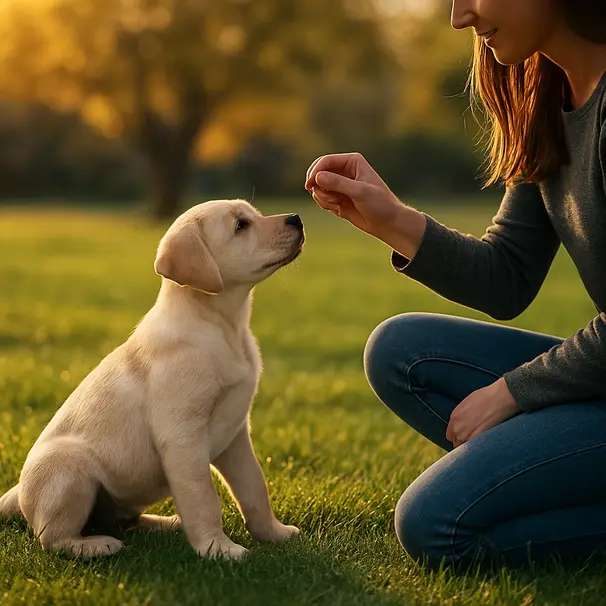
Training basics: teach the small things first
Training is a relationship. Short, fun sessions set the stage for lifelong good behavior.
- Start with simple cues: sit, come, leave it, and gentle leash walking. Keep sessions to 5–10 minutes several times a day.
- Use high-value rewards. Tiny treats, a favorite toy, or enthusiastic praise can work wonders for focus.
- Build recall gradually. Start in a quiet area and practice calling the puppy from short distances, rewarding every return.
- Teach bite inhibition. If play gets too mouthy, stop play briefly and redirect to a toy. Puppies learn self-control through consistent responses.
Practical training plan for carers: run quick 5-minute sessions during walks or breaks. Consistent cues and rewards across different caregivers speed learning.
Exercise and play: age-appropriate activity
Puppies need play and exploration more than long runs. Too much repetitive high-impact exercise can stress developing joints.
- Short, frequent play sessions are better than long endurance exercises. Let the puppy set the pace at first.
- Engage with varied toys. Rotate puzzle toys, chew toys, and soft fetch items to keep things interesting.
- Mental exercise can tire a puppy as much as physical play. Scent games, treat puzzles, and short training drills are excellent.
If you notice limping, reluctance to move, or persistent soreness, consider pausing strenuous play and checking with a vet.
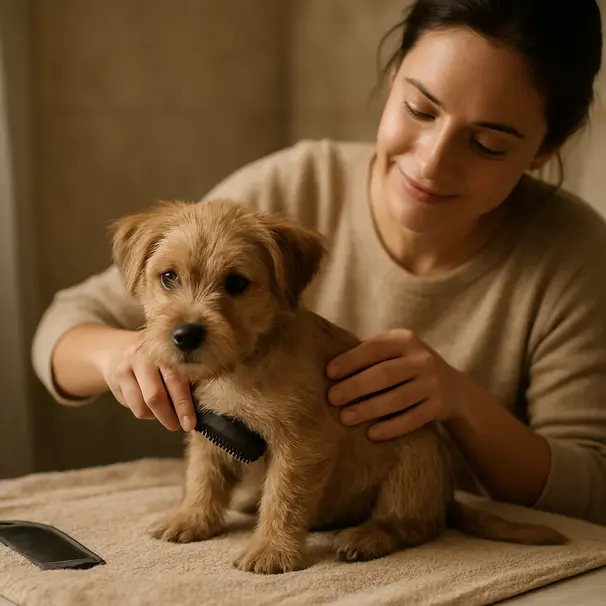
Grooming and health basics: make it pleasant
Early grooming experiences shape a puppy’s tolerance for brushing, nail trims, and vet visits.
- Introduce grooming tools slowly. Let the puppy sniff the brush and gently reward calm behavior.
- Handle paws, ears, and mouth frequently to make exams easier. Pair handling with treats and calm praise.
- Start tooth brushing early. Use puppy toothpaste and a soft brush; short, regular sessions help build comfort.
Vet reminders: stay up to date with vaccinations and parasite prevention. Ask your vet about the right schedule for your puppy.
Enrichment: preventing boredom and building confidence
A bored puppy can invent mischief. Enrichment keeps the mind busy and reinforces good behavior.
- Food-dispensing toys slow down mealtime and stimulate foraging instincts.
- Rotate toys to keep novelty. Put some toys away for a few days and bring them back.
- Teach new tricks and cues regularly. Learning is a great mental workout.
- Use scent games: hide treats around a room and encourage the puppy to sniff them out.
Carer idea: prepare a short enrichment plan for the day, alternating physical play and brain games to keep the puppy balanced.
Managing separation and anxiety: build independence gently
Some puppies fuss when left alone. The goal is gradual confidence, not sudden abandonment.
- Practice short departures. Start with a minute or two and build up slowly, rewarding calm behavior on return.
- Keep departures low-key. Avoid dramatic goodbyes that turn the moment into an emotional cue.
- Provide safe distractions when you leave: a chew toy or a treat puzzle can help.
If a puppy shows extreme distress—persistent barking, destructive behavior, or signs of panic—consider consulting a trainer or vet for targeted support.
Working with pet carers: teamwork for the puppy’s wellbeing
Good communication between owners and carers makes life easier for the puppy. A few simple systems make everything smoother.
- Share routines and rules. List feeding times, commands, crate habits, leash preferences, and any health notes.
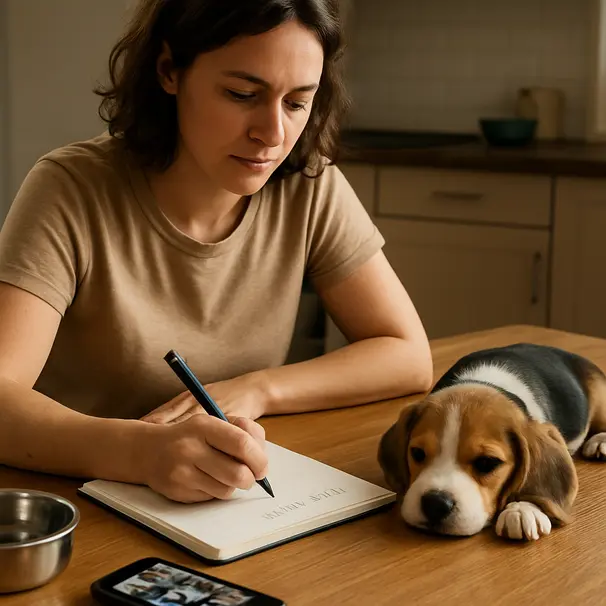
- Use a daily log. Carers can record meals, bathroom breaks, training sessions, and mood. Owners appreciate these updates.
- Be consistent. All caregivers should use the same cues and reward systems whenever possible.
- Set clear boundaries. If an owner prefers no couch access or specific play rules, respect them and explain alternatives.
Friendly tip: a quick photo and a sentence about the day can reassure owners and strengthen trust.
Common hiccups and gentle troubleshooting
Here are a few common puppy problems and quick things to try before reaching out for professional help.
- Excessive nipping: redirect to toys, pause play when the puppy mouths, and reward gentle contact.
- Night whining: ensure bathroom breaks, a comfortable crate spot, and a cozy blanket with a parent’s worn T-shirt for scent comfort.
- Reluctance to crate: keep crate time positive with treats, meals, and short, happy stays.
- House training regressions: revisit the schedule, increase outdoor breaks, and check for medical causes with a vet.
When to ask for help: persistent aggression, severe fear, or health concerns deserve prompt professional attention.
A simple checklist for the first three months
- Establish feeding and bathroom schedules
- Start basic training: sit, come, leash manners
- Begin gentle socialization and car rides
- Introduce short grooming sessions
- Rotate enrichment activities daily
- Keep vaccination and vet appointments on track
- Maintain clear communication between owner and carer
Final thoughts: small steps, lasting bonds
Puppyhood is a whirlwind of excitement, curiosity, and a few chewed socks. The work you put in now pays off in a confident, joyful dog later. Keep routines consistent, celebrate small wins, and lean on your pet carer as a partner. With patience, play, and plenty of love, you and your puppy will build a lifelong friendship.
If you ever feel stuck, consider checking with a veterinarian or a qualified trainer. And remember, every puppy grows at their own pace—enjoy the journey.