


Welcome to puppyhood
Puppyhood is equal parts delightful chaos and tiny victories. You might be greeted by a wagging tail at 6 a.m., a chewed-up slipper at noon, and a new trick by evening. This guide helps you understand typical development stages and key milestones, so you can be the steady, loving companion your puppy needs. Keep in mind every dog is an individual. These timelines are a roadmap, not a strict schedule.

Understanding puppy development: a timeline
Puppy development happens fast. There are predictable windows when puppies make big leaps in senses, movement, and social skills. Below is an easy timeline to keep by your fridge or in the notes app on your phone.
Neonatal period: 0 to 2 weeks
- Eyes and ears: Puppies are born mostly blind and deaf. Eyes usually open around 10 to 14 days. Hearing develops soon after.
- Dependence: They rely entirely on their mother for warmth, nutrition, and stimulation.
- Tip: Handle gently for short periods. Keep them warm and let the dam do most of the care.
Transitional period: 2 to 4 weeks
- Senses come online. Puppies begin to crawl, stand, and wobble.
- Teeth: The first baby teeth may start to appear.
- Tip: Offer safe surfaces for early balance practice and let littermates play to learn bite inhibition.
Socialization window: 3 to 12 weeks
- This is one of the most important times for emotional development.
- Puppies form attachments and learn what is normal from people and other animals.
- Tip: Provide calm, positive experiences with a variety of people, sounds, and gentle handling. Short, pleasant introductions can help build confidence.
Juvenile and adolescent periods: 3 months to 18 months
- Growth in size and strength. Learning abilities improve, but so can testing of boundaries.
- Fear periods may pop up around 8 to 11 weeks and again later. These are temporary, but they feel intense.
- Tip: Stay patient during fear phases. Small steps and positive reinforcement can help rebuild trust.
Key milestones to watch for
Knowing typical milestones helps you spot problems early. If something seems very delayed, consider checking in with a vet or an experienced trainer.
- Physical: Walking steadily, teething, coat changes, and reaching adult size vary by breed and genetics.
- Sensory: Eyes open by two weeks, hearing soon after, and coordination improves rapidly by month one.
- Social: Comfortable meeting new people and dogs by 12 weeks is a helpful sign. Puppies who miss early socialization may take longer to adapt to new experiences.
- House training: Many puppies start offering bladder control by 3 to 4 months, though consistent routines matter most.
Vaccines, health checks, and vet partnerships
It is important to schedule early wellness visits and to follow your vet’s guidance on vaccination and parasite control. Vaccination schedules can vary by region and individual risk factors, so consult your veterinarian to build the right plan for your pup. Regular weight checks and body condition monitoring during growth can help you avoid underfeeding or overfeeding.
Tip: Keep a simple health diary with dates, weights, and any concerns. This helps you and your vet track growth trends.
Nutrition and healthy growth
Puppies have different nutritional needs than adult dogs. High quality puppy food that matches your pup’s expected adult size is often a good choice. Large breed puppies may benefit from formulas that help moderate growth rate, while toy breeds can need more calorie-dense food. Speak with your vet about brand and portion guidance.
- Feeding schedule: Many owners feed puppies three to four small meals a day until about six months, then transition to twice daily.
- Treats: Use small, healthy treats during training, and count them toward daily calories.
- Weight monitoring: Aim for steady growth rather than rapid jumps. If you notice fast weight gain or poor weight gain, consult your vet.
Socialization and training basics
Socialization and basic training are among the best investments you can make in a puppy. They lay the groundwork for a calm, confident adult dog.
- Early, positive exposure. Introduce new people, friendly dogs, surfaces, and brief travel experiences. Keep meetings short and pleasant.
- Puppy classes. Consider a well-run puppy class for guided socialization and basic obedience. These classes also teach you practical training skills.
- Crate training. A crate can become a safe den when introduced positively. Use treats and gentle encouragement so the crate feels inviting.
- Bite inhibition. Play with controlled feedback so your puppy learns that nipping ends the game. Replace hands with toys when teeth meet skin.
Sleep, rest, and the rhythm of puppy life
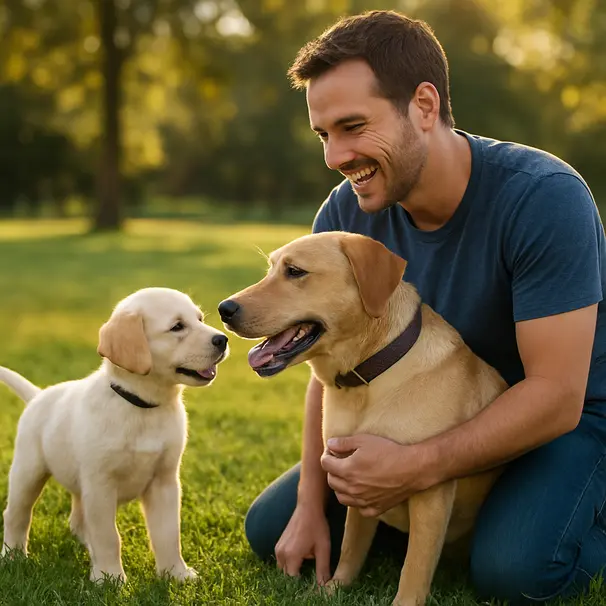
Puppies need a lot of sleep, often 18 to 20 hours daily in the early weeks. Sleep helps their brains and bodies develop. Create quiet, cozy resting spots away from heavy foot traffic. Use blankets or a shirt with your scent to comfort them.
- Nap routines: Short naps after play and training help memory consolidation.
- Nighttime: Expect nighttime wake-ups. Gradually extend the time between bathroom breaks by creating a predictable bedtime routine.
Exercise and mental enrichment
Puppies need age-appropriate exercise. Their bones and joints are still developing, so avoid repetitive high-impact activities. Focus on short walks, supervised play, and mental enrichment that challenges their brain without exhausting their bodies.
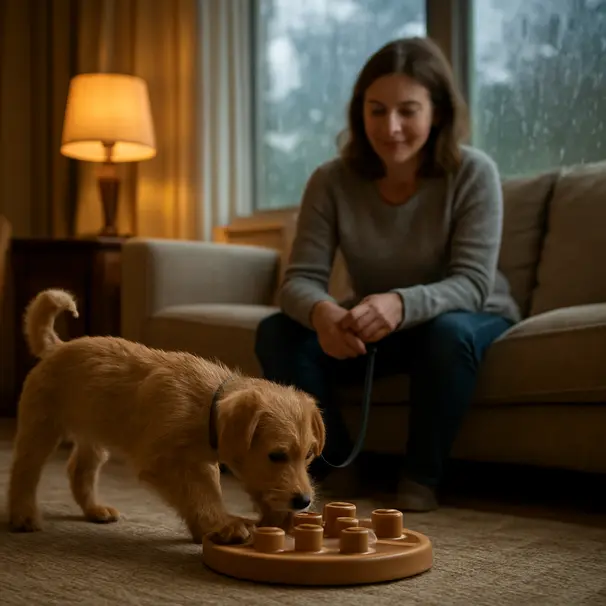
- Interactive toys: Puzzle feeders and scent games can keep curious puppies busy indoors, especially on rainy days.
- Short walk lengths: Start with very short walks and increase duration gradually. Let your puppy set the pace.
- Playdates: Supervised play with vaccinated, well-mannered dogs helps build social skills and burn off energy.
Common behavioral changes and how to handle them
Puppies grow fast emotionally as well as physically. You may see sudden shyness, testing, or a burst of energy. These changes are normal. Respond with calm routines, consistent rules, and positive reinforcement.
- Chewing: Offer safe chew toys and puppy-proof your home. Rotate toys to keep interest high.
- Potty accidents: Treat them as learning moments. Praise successes, and avoid scolding after the fact.
- Separation anxiety: Build independence gradually. Start with short departures and return calmly so leaving and coming back stay low drama.
When to ask for help
Some signs suggest a professional opinion may be helpful. Consider contacting your vet or a certified trainer if you notice:
- A puppy that is not growing or is losing weight.
- Persistent fear or aggression that does not improve with gentle exposure.
- Physical problems like limping or trouble rising.
Early support can help you avoid bigger challenges later. A vet check can rule out medical issues. A trainer or behaviorist can offer targeted exercises and owner coaching.
Practical checklist by age
This quick list helps you stay on top of essential tasks during the first months.
- 0 to 2 weeks: Keep warm, monitor nursing, limit handling to short, gentle sessions.
- 3 to 8 weeks: Encourage gentle social exposure, start supervised handling, and check for early veterinary checks.
- 8 to 12 weeks: Begin puppy class if recommended by your vet, start basic house training, and introduce a crate.
- 3 to 6 months: Steady training, gradual increase in physical activity, and regular weight checks.
- 6 to 18 months: Adolescence. Stay consistent, keep training fun, and maintain socialization.
Final thoughts and a little encouragement
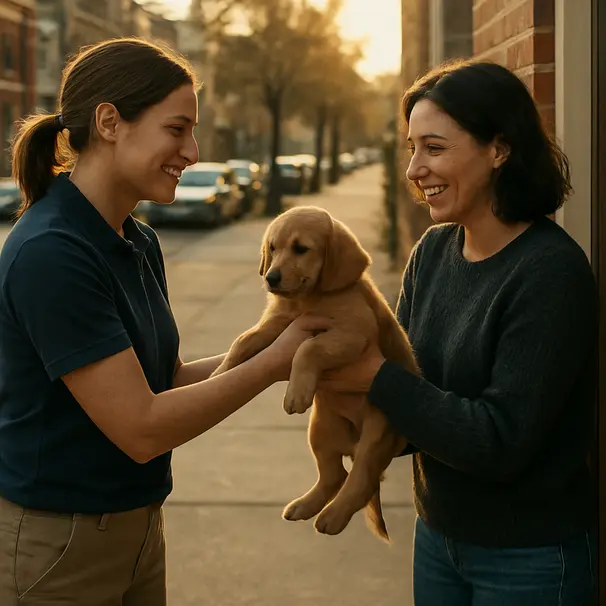
Puppy care is an ongoing mix of planning and flexible problem solving. You will have moments of triumph and times when patience feels thin. Celebrate the small wins, like that first reliable sit or a full night of sleep. Connect with local carers, trusted trainers, and other puppy owners for support and social opportunities. If you use a platform like Floofy to find carers, share routines and comfort items so your puppy feels at home with new helpers.
Be kind to yourself. Puppies are learning about the world and so are you. With steady routines, gentle guidance, and plenty of love, your little companion will grow into a confident, joyful adult dog.
If you have specific concerns about growth, behavior, or health, consider reaching out to a veterinarian or certified trainer for tailored advice. They can help create a plan that fits your puppy and your life.