

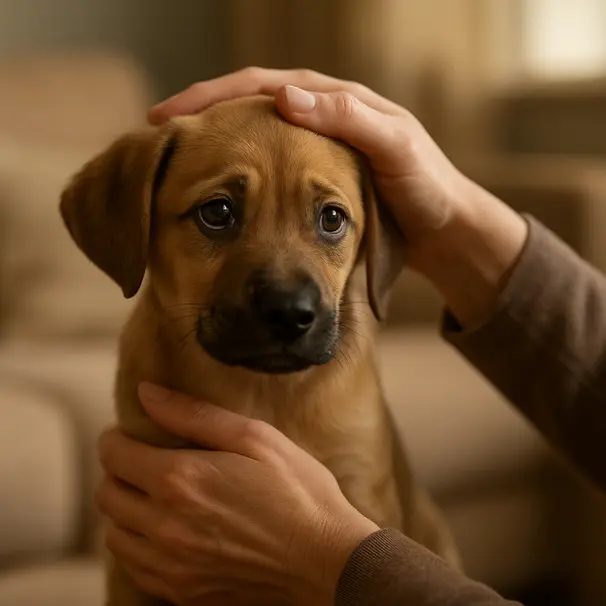
Puppy diarrhoea: what to do immediately
Seeing a puppy with diarrhoea can make your heart race. It’s messy, smelly, and worrying, especially for new pet parents. Breathe. You’re not alone, and small, calm actions in the first hour can make a big difference.
This guide walks you through what to do right away, how to monitor your pup, when to call a vet, and practical tips for carers using Floofy. Keep reading for a warm, friendly checklist you can follow without panic.
First things first: stay calm and collect yourself
Puppies pick up on our energy. If you feel frantic, try to take two slow breaths. This helps you think clearly and handle the clean-up safely. Gather the basics: paper towels, disposable gloves if you have them, a shallow bowl of fresh water, a clean towel or blanket, and a sealable bag for soiled bedding.
If the puppy is active and playful despite the diarrhoea, that’s reassuring. If they’re lethargic, vomiting, or seem disoriented, move faster and consider contacting a vet immediately.
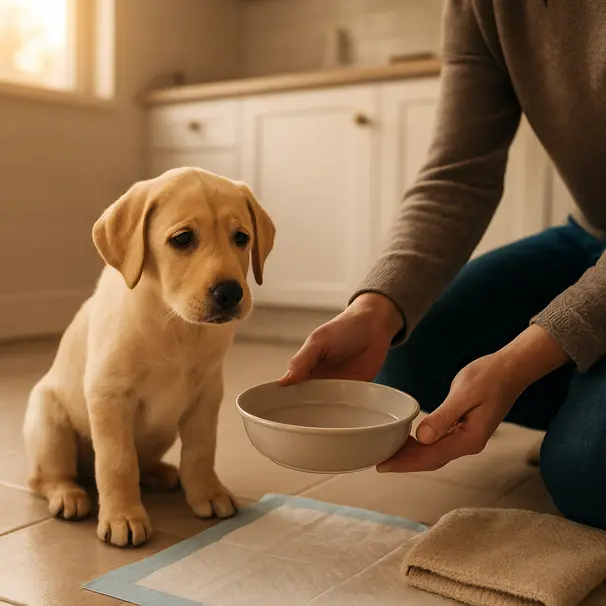
Immediate checklist: what to do in the first 30–60 minutes
- Isolate the puppy gently: Put them in a quiet, easy-to-clean space like a tiled kitchen area or a laundry room, but keep them comfortable. Clean-up is simpler and less stressful there.
- Offer small amounts of water: Dehydration is the main short-term worry. Offer a shallow bowl, and encourage sips rather than big gulps. You may keep reoffering water every 10–15 minutes.
- Withhold food briefly: For a very short time, around 4–6 hours, consider pausing regular meals for puppies older than about 8 weeks. This can give the gut a tiny rest. For puppies younger than 8 weeks or tiny toy breeds, skip fasting and call a vet for advice first.
- Begin clean-up calmly: Use paper towels and gloves if available. Put soiled materials into a sealed bag. Wash your hands thoroughly and clean the area with pet-safe disinfectant.
- Note the details: Time the first loose stool, note colour and consistency, and whether there’s blood or mucus. Jot down recent diet changes, treats, or access to garbage or plants. These notes are invaluable if you contact a vet.
Practical tip: Prepare a small emergency bag now that you know what you need. Keep it where you can grab it quickly next time.
What you may try at home (safe, gentle options)
- Small frequent water sips: Encourage hydration. A syringe or spoon can help for tiny pups who won’t lap.
- Bland, gentle food: After the short rest period, you may offer a bland meal if the puppy appears eager for food. Boiled plain chicken and rice is a common option, but consider a tiny portion and watch for improvement. Introduce bland food in small amounts and watch their tolerance.
- Probiotics for puppies: Some puppy-safe probiotics may help restore gut flora. Consider using those formulated for puppies and follow package guidance. If your pup is very young or unwell, check with your vet first.
- Keep them warm and comfortable: A familiar blanket, quiet music, and gentle reassurance may reduce stress, which can help digestion.
Avoid: human anti-diarrhoea medicines, unprescribed antibiotics, or home remedies you’ve read online without professional advice. These can sometimes do more harm than good.
Monitoring: what to look for over the next 24 hours
Spend the next day watching for these signs. Keep notes.
- Appetite: Is your puppy eating small meals again? A return to appetite is a good sign.
- Energy level: Are they playful or sleepy but responsive? Mild tiredness is not unusual, but deep lethargy is a red flag.
- Hydration: Check gum moisture and skin tenting gently. Dry gums, sunken eyes, or weak skin elasticity may suggest dehydration.
- Stool changes: Is the diarrhoea improving? Note any blood, black tarry stools, or persistent watery output.
- Vomiting: Occasional retching may happen, but repeated vomiting with diarrhoea needs vet attention.
If the diarrhoea clears within 24–48 hours and your puppy is bright and eating again, that’s promising. If symptoms persist, worsen, or you have any doubt, reach out to a vet.
When to call a vet right away
Please consider contacting a vet promptly if you notice any of these:
- Puppy is younger than 8 weeks
- Strong or repeated vomiting
- Signs of dehydration, like dry gums or weakness
- High fever or very cold extremities
- Blood in stool or black, tarry stools
- Sudden collapse, seizures, or obvious pain
- Diarrhoea lasting more than 24–48 hours, or worsening
A vet can assess severity, may suggest stool testing, fluids, or specific medications. Calling early often helps avoid emergencies.
Common causes (friendly overview, not a diagnosis)
Puppy diarrhoea can come from many things. Consider these possibilities and whether any apply to your situation:
- Diet change: A new food, treats, or table scraps often upset a delicate puppy gut.
- Eating something off the floor: Puppies love to explore with their mouths. Plants, trash, or foreign items can cause problems.
- Parasites: Worms and protozoa like Giardia may cause loose stools, especially in pups from shelters or breeders without screening.
- Infections: Viral or bacterial infections can cause diarrhoea. Parvovirus is a serious viral cause that requires immediate veterinary care, especially in unvaccinated puppies.
- Stress or anxiety: New homes, boarding, or travel can trigger transient diarrhoea.
- Food intolerance: Some puppies have sensitive stomachs or specific intolerances.
Make a note of recent exposures and vaccinations. This helps your vet narrow down causes quickly.
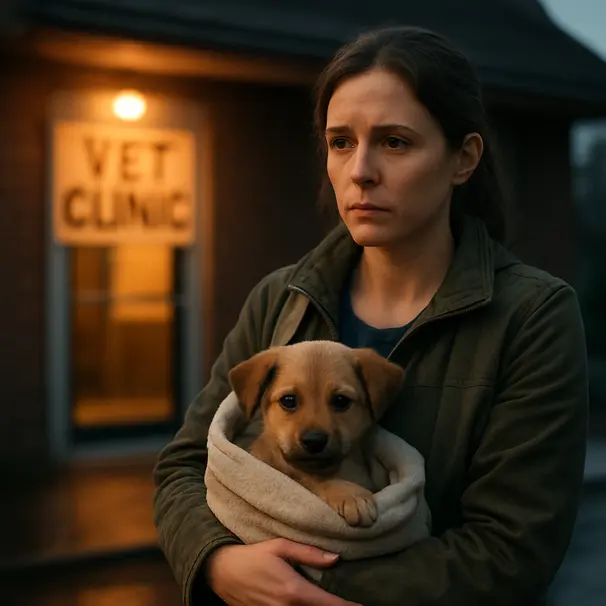
What to bring to the vet appointment
If you go to the clinic, bring:
- A fresh sample of the stool in a sealed container, if possible
- A list of recent foods, treats, medicines, or chew toys
- Vaccination and deworming records
- Notes about timing and symptoms, including appetite and energy levels
This information speeds diagnosis and helps the vet decide whether tests, fluids, or medications are needed.
How trusted carers and sitters can help (Floofy carers take note)
If you use a pet carer through Floofy, communicate clearly and kindly. Provide a short emergency plan on your profile and in the booking notes. Include:
- Your puppy’s age, weight, and known medical issues
- Recent vaccination and deworming dates
- Contact number for your preferred vet and emergency clinic
- A list of allowed foods and a gentle feeding plan
- Location of emergency supplies, like towels, water bowls, and paper towels
If diarrhoea happens while you’re away, ask your carer to follow the immediate checklist above, keep you informed with photos and notes, and seek veterinary care if red-flag signs appear. A caring, calm approach helps the puppy and reassures you.
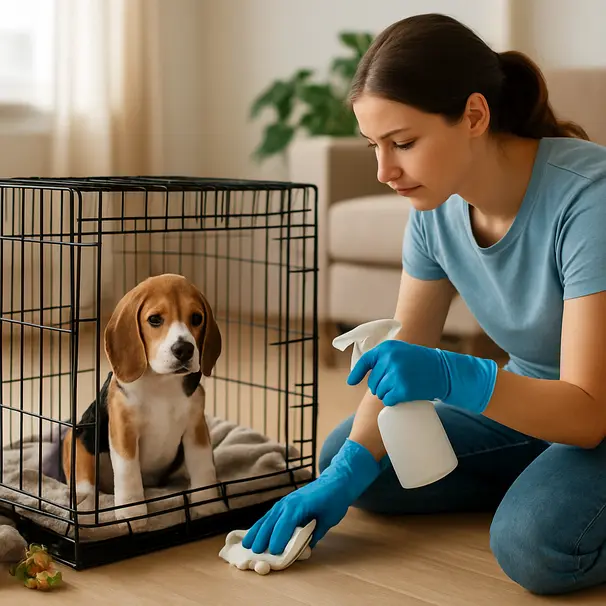
Cleaning and hygiene after diarrhoea
Good cleaning protects both pets and people. Use pet-safe disinfectants and wash fabrics promptly. For hard surfaces, clean up solids, then disinfect and rinse. For bedding and soft toys, launder in hot water if label instructions allow. If someone in the household is immunocompromised, take extra hygiene precautions and consult health professionals as needed. Always wash your hands thoroughly after handling soiled material.
Prevention tips to reduce future episodes
- Introduce new foods slowly over a week. Small, gradual changes are gentler on puppy tummies.
- Puppy-proof the home. Keep trash, plants, small objects, and human food out of reach.
- Keep vaccinations and deworming up to date. These may help prevent infectious causes of diarrhoea.
- Choose high-quality puppy food recommended by your vet. Sudden brand changes are often a trigger.
- Reduce stress where you can. Consistent routines, safe spaces, and gentle handling help sensitive pups.
Consider a short-written emergency plan on your Floofy profile, so carers know your preferences and your puppy’s needs.
Sample emergency message to send your carer or a vet
If you need a quick template to send someone, here’s a simple message you can copy and adapt:
“Hi, my puppy (name, age) has had diarrhoea since (time). It’s (describe consistency and colour). They are (energy level) and have (any other symptoms). They last ate (food/time). Please advise whether to come in or try home care first. My vet is (vet name and phone).”
Short, factual messages help responders act quickly.
When recovery goes well: gentle comeback routine
If your puppy improves, transition back to regular food over 2–3 days. Offer small, frequent meals at first. Keep a close eye on stool and energy. Celebrate the small wins. A gentle cuddle and maybe a favourite toy can remind your pup all is well.
Final thoughts and reassurance
Diarrhoea is one of the most common puppy problems, and many cases settle with careful home care. Still, vigilance matters. If you’re ever unsure, reach out to a veterinary professional. Pack a small emergency kit now and add an emergency note to your Floofy profile. That way, if diarrhoea does strike again, you and your carer can act quickly and confidently.
Above all, be kind to yourself. Puppies are tiny, messy learners. With calm steps, good monitoring, and timely vet checks when needed, most pups bounce back.
If you’d like, save this guide to your phone or copy the checklist into your Floofy pet profile so trusted carers have it at hand. You’re doing great, and your puppy is lucky to have you.