


Puppy growth stages: adorable chaos
Bringing a puppy into your life is like signing up for an ongoing surprise party. One day they’re a tiny warm blob that fits in your hands, the next they’re testing the limits of gravity and your favourite shoes. This guide maps out the major puppy growth stages, offers practical tips for owners and carers, and celebrates the messy, joyful process of raising a confident dog.

Puppy timeline at a glance
- Neonatal (0–2 weeks): Eyes closed, fully dependent.
- Transitional (2–4 weeks): Eyes open, first wobbly steps.
- Socialisation window (3–12 weeks): A crucial learning period.
- Juvenile (3–6 months): Rapid growth, teething, early training.
- Adolescence (6–18 months): Hormones, testing boundaries.
- Young adult (18 months–3 years): Settling into personality and routine.
Knowing roughly where your pup sits in this timeline helps you set expectations, pick the right toys, and find the kind of support needed from carers or training classes. Puppies don’t all grow at the same rate, so use these ranges as friendly guideposts, not rigid rules.
Neonatal and transitional stages: tiny, fragile, and utterly adorable
Newborn puppies mostly eat, sleep, and snuggle. They rely on their mother and littermates for warmth and basic grooming. Around two weeks their eyes begin to open and they start to respond to sounds.
Practical tips:
- Keep the environment warm and quiet. Little changes can feel huge to a newborn.
- Handle gently and for short periods to build trust.
- If you’re a carer helping a foster mum, coordinate feeding and care routines closely with the owner.
When to consider a vet visit:
- If a puppy isn’t nursing, is lethargic, or isn’t gaining weight, consider contacting a vet. Small puppies can deteriorate quickly, so early advice may help.
Socialisation and early learning (3–12 weeks): the golden window
This is the most important period for shaping a puppy’s emotional life. Experiences now can make a dog bold and friendly or fearful and anxious. That doesn’t mean you must expose them to everything at once. Gentle, positive introductions are the goal.
What to focus on:
- People of different ages and appearances, including calmer children and adults, in small doses.
- Safe, calm meeting with vaccinated, friendly dogs.
- Different surfaces underfoot, household sounds, car rides, and short outings.
Training starts now too:
- Short sessions of basic commands like sit, name recognition, and recall with tasty rewards.
- Crate introduction as a safe den, not punishment.
- Early house training with predictable schedules.
Safety and vaccinations:
- Puppies usually begin vaccinations in this window. Consider asking your vet for a recommended schedule and follow it. While vaccines help reduce disease risk, always keep outings sensible until your vet says it’s safe.
Practical tip for carers:
- If you’re looking after a puppy, keep introductions slow. Take notes about what the puppy seems comfortable with and share them with the owner.
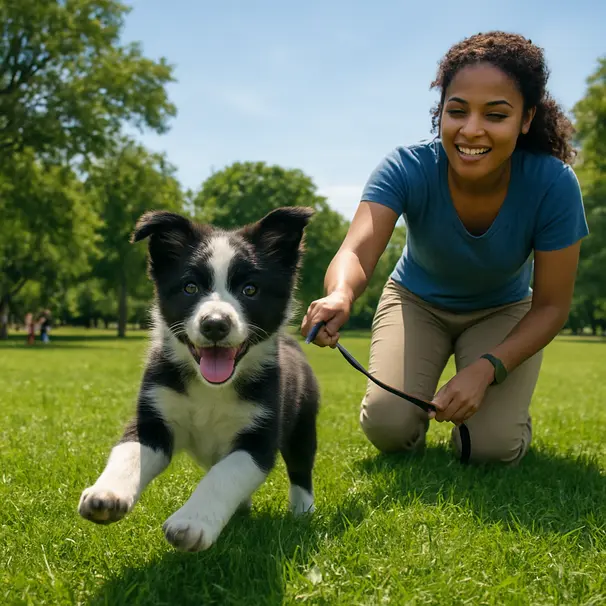
Juvenile months (3–6 months): teething, growing, and silly energy
Puppies change fast now. Their bodies lengthen, teeth fall out, and their energy can feel endless. This is a great time to ramp up structure and consistency.
Feeding and growth:
- Puppies may need food formulated for growth. Check feeding guides on packaging and consider adjusting portion sizes as the pup’s appetite and activity levels change.
- Monitor body condition rather than focusing only on weight. A lean, active pup is often healthier than an overweight one.
Teething and mouthing:
- Provide appropriate chew toys and chilled items to soothe sore gums.
- Teach bite inhibition using calm, consistent responses. Short time-outs can help if play gets too hard.
Training and routines:
- Increase the length and variety of training sessions while keeping them playful.
- Introduce short leash walks and continue socialisation. Mix up routes and environments in a controlled way.
Practical home hacks:
- Puppy-proof at your dog’s head-height. Chewing discoveries often happen when you least expect them.
- Rotate toys to keep novelty high and boredom low.
Adolescence and teen years (6–18 months): hormones and boundary testing
This stage can feel like a second adolescence. Puppies are physically maturing but may act like teenagers emotionally. That can mean more testing, sudden fear responses, or renewed excitement about previously learned things.
Behavioural tips:
- Stay consistent. Rules learned earlier still apply and consistency helps a pup feel secure.
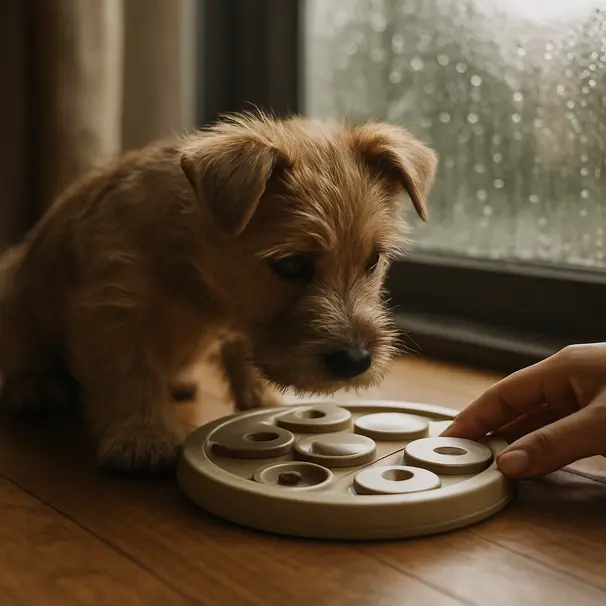
- Increase mental stimulation. Puzzle feeders, scent games, and interactive training channels energy into something rewarding.
- Manage expectations around recall and off-leash freedom until maturity is clear.
Exercise needs:
- Many breeds need structured exercise but avoid overly intense high-impact workouts for large-breed puppies until their growth plates mature. Consider low-impact activities like controlled walks and swimming.
- If you’re unsure about exercise limits, consider consulting a vet or an experienced trainer who can provide tailored guidance.
When to consider a trainer or specialist:
- If fear, reactivity, or resource guarding emerges or escalates, a qualified positive-reinforcement trainer or behaviourist may help. Early intervention can often prevent bad habits from becoming entrenched.
Young adult: settling into personality (18 months–3 years)
As dogs reach adulthood, many behaviours smooth out. You’ll know more clearly what makes your dog happiest and which routines suit them.
Maintenance and enrichment:
- Keep training fun and varied. Trick training and new sports can be great for mental health.
- Stick to regular grooming, dental checks, and age-appropriate nutrition.
Choosing a carer during this stage:
- If your pup still has bursts of high energy or needs socialisation practice, look for carers with experience handling adolescents. They can offer structured outings and enrichment that match your dog’s needs.
Practical routines every stage appreciates
Consistency is the unsung hero of puppyhood. A predictable routine builds confidence and reduces stress.
Daily checklist ideas:
- Morning: short walk, breakfast, brief training play.
- Midday: rest, short enrichment session, potty break.
- Evening: longer walk or play session, dinner, calm wind-down.
Night routines:
- A calm, consistent bedtime helps puppies settle. Crate or den training can help them feel safe.
- If you’re fostering or using a carer overnight, communicate any night-time needs clearly.
Grooming and touch:
- Early positive experiences with handling, brushing, and nail checks make vet visits and grooming appointments easier later on.
- Short, pleasant grooming sessions from the start can build tolerance and trust.
Social life: playdates, classes, and trusted carers
Puppies are social learners. Age-appropriate classes and supervised playdates can teach manners and build confidence.
Finding the right carer:
- Look for carers who prioritize safe socialisation, use clear communication, and follow the owner’s routines.
- Ask for references and watch for carers who ask thoughtful questions about temperament and rules.
Preparing a puppy for a new carer:
- Leave a small, familiar item like a blanket or toy.
- Share feeding schedules, preferred commands, and calming cues.
- Provide emergency contact details and vet info.
training essentials that can help now
Keep training short, regular, and joyful. Puppies learn best when they’re rewarded and safe.
Core basics:
- Name recognition and attention cues.
- Sit, down, and a reliable recall practiced in low-distraction environments before increasing difficulty.
- Loose-leash walking starts with short walks and lots of reward for staying near you.
Positive reinforcement:
- Use treats, toys, and praise to mark good behaviour. Consider fading treats slowly as behaviours become reliable.
Problem behaviors to manage early:
- Excessive barking, chewing, and nuisance biting respond well to early redirection and consistent rules.
- If behaviours feel overwhelming, consider scheduling a session with a positive-reinforcement trainer.
Safety and health: sensible precautions
Puppy health can feel daunting. The best approach is to be prepared, attentive, and ready to ask a professional when you’re unsure.
Simple precautions:
- Keep dangerous foods, toxic plants, and small objects out of reach.
- Use ID tags and consider microchipping as permanent backup identification.
- Keep vaccinations and parasite prevention on your vet’s recommended schedule.
When to call a vet:
- If a puppy stops eating, is vomiting repeatedly, has trouble breathing, or shows sudden extreme lethargy, consider contacting a vet. Early advice may help prevent complications.
Emotional support for owners and carers
Puppy life can be joyful, exhausting, and sometimes lonely. Community support makes a big difference.
Ways to stay supported:
- Join local puppy groups or online communities to share wins and ask questions.
- Use trusted carers for short breaks so you can rest and return refreshed.
- Celebrate small milestones. Teaching a solid sit or surviving the first night without too many tears are worth recognition.
Final thoughts: enjoy the mess
Puppies grow fast. The chewed shoes, muddy paws, and early morning zoomies fade into memories sooner than you expect. Keep routines, be kind to yourself, and ask for help when you need it. Carers and the Floofy community can be part of that safety net, offering practical support and extra walks when life gets busy.
Remember, each puppy is unique. The timeline above is a map, not a rulebook. With consistent care, thoughtful socialisation, and plenty of cuddles, that adorable chaos becomes a confident, loving dog who brightens your life for years to come.