

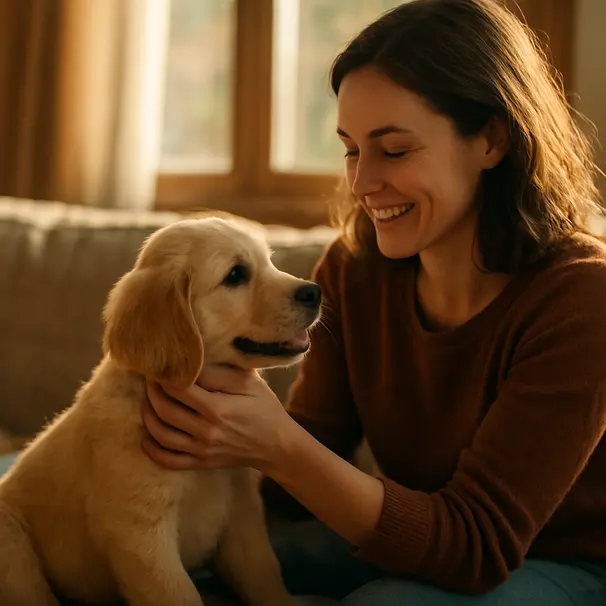
Puppy handling 101: gentle desensitization
Welcoming a puppy into your life is a joy and a responsibility. One of the kindest things we can do for a new pup is help them learn to enjoy, or at least tolerate, everyday handling. Gentle desensitization is a slow, positive way to introduce touch, grooming, nail trims, vet checks, and more. It’s about building trust, one calm moment at a time.
In this guide you’ll find practical exercises you can do at home or on the go, tips for pet carers who work hands-on with puppies, and simple ways to track progress. Keep sessions short, rewarding, and joyful, and remember to consult a vet or certified trainer if you notice fear-based aggression or extreme stress.
Why gentle handling matters
Puppies who are comfortable with handling are easier to care for and less stressed during vet visits and grooming. Gentle handling can help:
- Reduce fear and anxiety around touch
- Make grooming, nail trims, and ear cleaning less stressful
- Improve the puppy’s tolerance for carriers, harnesses, and travel
- Help carers and vets examine the pup safely
A puppy who learns calmness around hands and tools is also less likely to develop reactive behaviors later. The trick is gradual exposure, paired with treats and praise, so the puppy learns that handling predicts good things.
Puppy body language basics
Before starting any exercises, learn to read a puppy’s signals. They’re subtle but clear once you know what to watch for.
- Relaxed: soft eyes, loose mouth, wagging tail in a wide arc
- Curious: ears forward, alert posture, slight tail movement
- Uncomfortable: lip lick, yawning (not sleepy), turning head away
- Stressed: tucked tail, whale eye (seeing whites of eyes), crouched posture
- Fearful or defensive: growling, snapping, trying to bolt
If a puppy shows discomfort, slow down. The goal is small steps forward, not big leaps. Offer space, a break, or a calming activity, then try again later.
Getting started: environment, timing, and tools
A calm, predictable setup makes learning easy.
- Choose a quiet room with minimal distractions.
- Keep sessions 3–5 minutes for very young pups, gradually increasing to 10–15 minutes.
- Have high-value treats ready: small, soft, easily consumable pieces.
- Use a comfortable surface like a low couch, rug, or table with non-slip matting.
- Wear calm, neutral-smelling clothes. Avoid strong perfumes.
Introduce the idea of handling during relaxed, happy moments, like after a nap or during slow play. Always end a session on a positive note.
Step-by-step desensitization exercises
Start with touch and progress to tools and noises. Work at the pup’s pace and celebrate tiny wins.
1. Touch: the foundation
- Step 1: Hand-on-paw game. Let the puppy sniff your hand, then touch the top of a paw briefly and immediately reward. Repeat, increasing touch duration gradually.
- Step 2: Six-point check. Gently touch the puppy’s head, chin, neck, shoulders, back, and hips, rewarding after each touch. Keep touches light and paired with treats.
- Step 3: Make touch predict treats. If the puppy learns that hands bring food, your hands become less scary.
Tips: Use a calm voice and slow movements. If the puppy pulls away, don’t chase. Wait until they come back and try again softly.
2. Mouth and teeth
- Step 1: Offer a treat and gently touch the muzzle. Reward.
- Step 2: Lift lips briefly, touch the gums and teeth for one second, then reward. Gradually increase duration.
- Step 3: Practice opening the mouth with a soft cue, rewarding calm behavior.
Why it helps: Puppies tolerant of mouth handling are easier to medicate and inspect for dental health.
3. Paws and nails
Many pups find paw handling odd at first. Break it into tiny steps.
- Step 1: Play a paw target game. Touch the paw, then treat immediately.
- Step 2: Hold the paw for one second, treat, then release. Increase time slowly.
- Step 3: Introduce a nail file or clippers by letting the pup sniff the tool, then reward. Tap the tool gently to the paw, reward, and expand exposure over days.
If your pup dislikes clippers, consider grinding in very short sessions and keep treats flowing. Consider consulting a groomer or trainer for a demonstration.
4. Ears and head
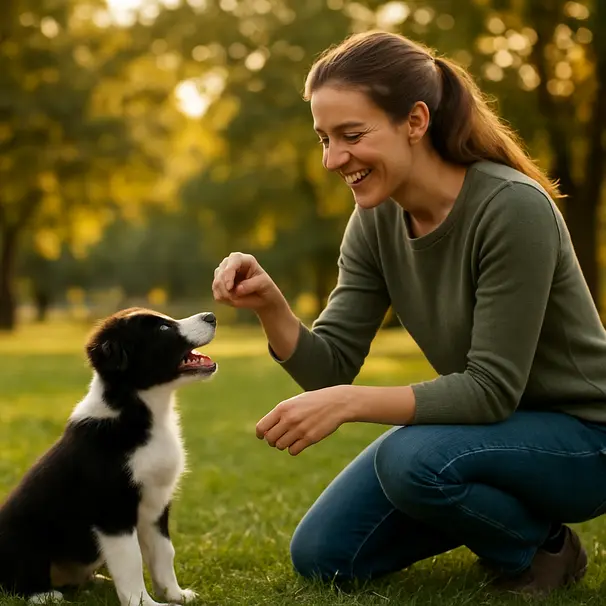
- Step 1: Pair ear touch with treats. Touch the base of the ear, treat, and repeat.
- Step 2: Gently lift the ear flap briefly, treat, then let go.
- Step 3: Practice holding the head loosely while offering treats so the puppy learns calm restraint.
Be gentle. If the puppy shows pain or holds the ear differently, consult a vet to rule out infection.
5. Grooming and tools
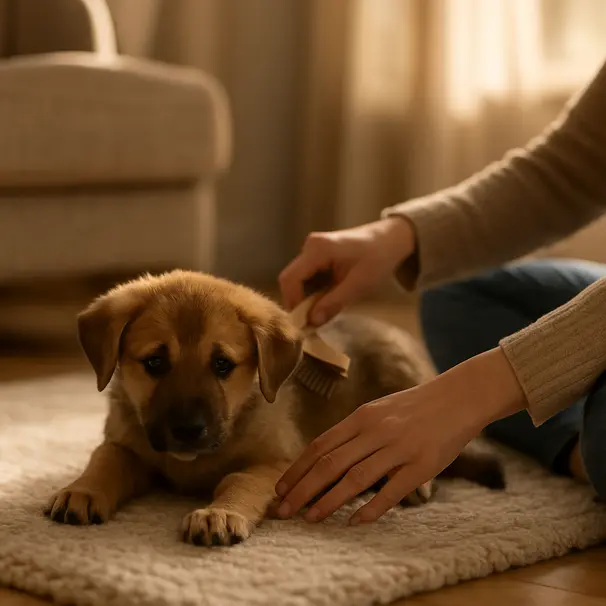
- Brush exposure: Let the puppy investigate the brush, then do short, gentle strokes, rewarding after each pass.
- Bath introduction: Leave the tub empty and allow the puppy to explore. Use toys and treats. Gradually add water and keep the first few baths short and warm.
- Clipping and drying: Introduce clippers and dryers off, then on at a distance, pairing sound with treats. Use a towel or slow desensitization to noise.
Consistency and patience are crucial. Multiple small, positive exposures beat occasional long sessions.
6. Carriers, harnesses, and travel
- Carrier games: Make the carrier a comfy den with treats and toys. Feed meals near and then inside the carrier. Close the door briefly while offering rewards.
- Harness practice: Let the puppy sniff the harness, then reward. Put it on for 30 seconds, then take it off and reward. Gradually lengthen wearing time.
- Short trips: Start with the engine off, then short drives while giving treats before increasing distance.
These steps help reduce travel anxiety and make vet trips smoother.
7. Vet handling basics
Teach the pup to accept being lifted, held, and examined. Practice gentle restraint while giving treats. Encourage calm behavior on the exam table by rewarding stillness. If possible, schedule short, happy visits to the clinic where no medical procedures happen, just treats and pats.
How to structure a session
- Warm-up: 30 seconds of calm petting or a short treat game.
- Work: 3–7 minutes focused on one skill (touch, paws, ears, etc.).
- Play or rest: End with a favorite toy or a calm cuddle.
Keep a consistent cue for practice, like a soft word or the puppy’s name. Consistency helps the puppy predict what happens next and reduces uncertainty.
Common mistakes and how to avoid them
- Moving too fast. If the puppy stiffens or avoids, you’ve gone too far. Step back.
- Punishing avoidance. Never force a puppy into compliance. Force teaches fear, not trust.
- Long sessions. Puppies learn best in short bursts. End while they’re still engaged.
- Using low-value rewards. If treats are boring, so will training be. Find what really motivates your pup.
Safety tips for owners and carers
- Watch body language closely; signs of escalation include yawning, lip licking, whale eye, and stiffening.
- Use a helper for handling sessions if the puppy is wiggly or nervous. One person can hold calmly while the other works and rewards.
- Keep nails trimmed gradually. If you’re unsure, ask a pro to show you safe techniques.
- Approach unfamiliar puppies slowly and let them come to you. Ask the owner if the pup is comfortable being touched.
Progress tracking and celebration
Track progress in a simple notebook or an app. Note date, exercise, duration, and the puppy’s response. Celebrate small wins: touching all four paws without fuss, accepting a brief ear lift, or resting calmly in a carrier.
Signs of positive progress:
- Shorter response times to treats during handling
- Relaxed body posture during previously stressful tasks
- Voluntary approach to hands or grooming tools
If progress stalls, try reducing the difficulty or increasing rewards. Sometimes a break of a day or two helps reset the puppy’s patience.

When to seek professional help
Consider a trainer or behaviorist if you see:
- Repeated fear-based aggression (growling, snapping) during handling
- Sudden change in behavior around touch
- Extreme avoidance that doesn’t improve with slow work
A professional can assess for medical issues and guide a safe, structured plan. Your vet is an excellent first contact if pain or illness might be involved.
Tips for pet carers and sitters
- Keep notes for the owner about what worked in practice sessions and any new triggers you observed.
- Follow the owner’s routines as closely as possible. Consistent cues and rewards help puppies generalize learning.
- Be gentle with unfamiliar pups. Ask for permission before lifting or handling.
- Offer short practice sessions during visits to reinforce desensitization without overwhelming the puppy.
Final thoughts
Gentle desensitization is a gift you give a puppy: a steady way to build confidence, trust, and comfort with everyday handling. It doesn’t require long hours, just a thoughtful approach and a few tasty treats. Keep sessions playful and short, read the puppy’s signals, and celebrate small steps. Over time these small moments will add up to calmer vet visits, easier grooming, and a happier life together.
If you’re a Floofy carer, partner with owners to continue these practices across visits. The more people use the same gentle approach, the faster puppies learn that hands and tools mean good things. Above all, be patient and kind. Puppies learn best from calm, consistent friends.
Good luck, and happy handling!