

Puppy social rules & vaccine timing
Bringing home a puppy is a delicious jumble of excitement, laundry, and tiny squeaks. One of the biggest questions new owners and carers face is how to socialise a puppy safely before vaccines are finished. Get it right, and you’ll set your dog up for calmer walks and better manners. Move too quickly, and nervousness or illness can make things harder later.
This article lays out friendly, practical social rules for puppies, a simple vaccine-timing overview, and an easy-to-follow plan you can adapt with your vet. The goal is confidence, not perfection. Little steps add up fast.
Why socialisation matters
Socialisation helps puppies learn how to be relaxed around people, other animals, sights, and sounds. Puppies who get steady, positive experiences when they are young may be less likely to worry about new things as adults. Social skills also make days out, vet visits, grooming, and time with carers much easier.
You can think of socialisation as teaching your puppy the vocabulary of life: how to greet, how to play gently, how to accept being handled, and how to cope with noisy days. Small, positive chances to practice are more powerful than rare, intense sessions.
The sensitive period
Puppies have a sensitive stage for social learning, often from about 3 to 16 weeks of age. During this time, new experiences tend to stick best. That doesn’t mean you must cram everything in. Aim for calm, enjoyable exposures, and repeat them. A few minutes of friendly, relaxed contact each day is more beneficial than long, overwhelming outings.
Basic puppy social rules
These rules are simple to remember, and they make choices easier in real life.
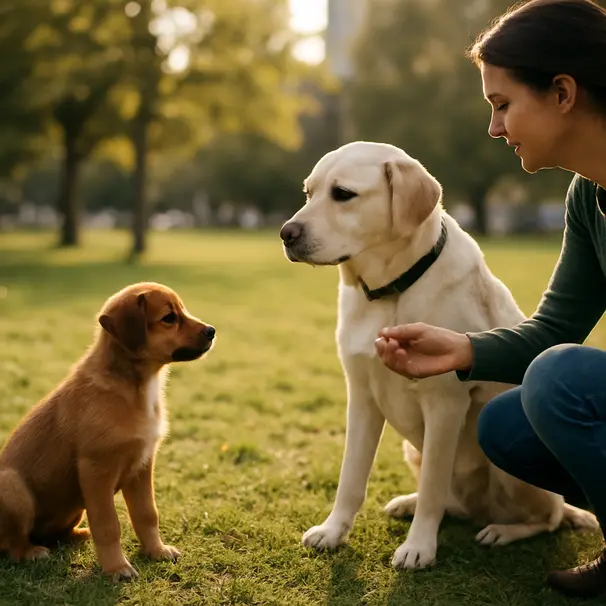
- Keep it positive, short, and safe. Let your puppy walk away from a situation, and reward calm reactions with a treat or a scratch. If your pup hides or freezes, don’t force interaction.
- One new friend at a time. Introductions go better if they are quiet and controlled. Too many dogs or people at once can overwhelm a small pup.
- Supervise every greeting. Always watch body language. Ears back, tail tucked, or tense still body mean your puppy needs a break.
- Teach polite greetings. Practice sitting for a hello, and trade treats for calm paws. This helps puppies learn friendly manners with people and dogs.
- Safe toys and space. Bring familiar toys and a blanket to new places. A secure place to retreat helps a puppy recharge between interactions.
- Short sessions. Young puppies tire fast. Fifteen to twenty minutes of focused social time is often enough, with naps or quiet play between sessions.
These basics help carers and owners create predictable, pleasant experiences. Predictability builds trust.
Handling, grooming, and people rules
Handling is socialisation too. Puppies who tolerate touch are calmer at vet checks and grooming.
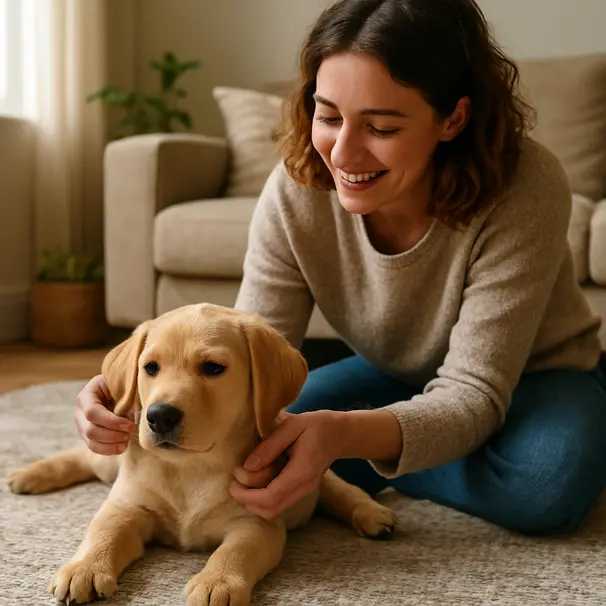
- Practice gentle handling daily, touching paws, ears, and muzzle for a few seconds each time.
- Make grooming feel like a treat. Try short brushing sessions and give tasty rewards.
- Invite polite visitors to calmly offer treats while your pup sits. That teaches that new people equal good things.
- Teach child-friendly rules. If children will meet the puppy, supervise closely and show them how to stroke gently or offer treats.
Small, consistent handling drills may help puppies accept necessary care later. Consider using a family helper or trusted carer to practice these routines if you need extra hands.
Vaccine timing: a practical overview
Vaccines protect puppies from serious illnesses, and a vet can recommend a schedule that fits local risks. Use gentle language with your vet, and consider their guidance while planning social experiences.
A common pattern many vets suggest is an initial set of vaccinations starting around 6 to 8 weeks, followed by boosters every 3 to 4 weeks until about 16 weeks. The exact timing depends on the vaccine type, the puppy’s health, and local disease prevalence.
Important points to keep in mind:
- Vaccines build protection over time. A single shot may not give full protection immediately. Boosters help strengthen immunity.
- Some diseases, like parvovirus and distemper, can be severe for unvaccinated puppies. That risk is one reason vets often advise limited contact with unknown dogs until boosters are complete.
- Every area has different disease risks. Ask your vet about local concerns and whether certain exposures should wait.
Avoid medical absolutes: say your vet can advise the right schedule, and consider cautious social exposure until core vaccines are in place.
Socialising before vaccines are finished: safe strategies
You don’t have to wait for the final booster to start socialising. There are safe ways to introduce your puppy to the world while reducing health risks.
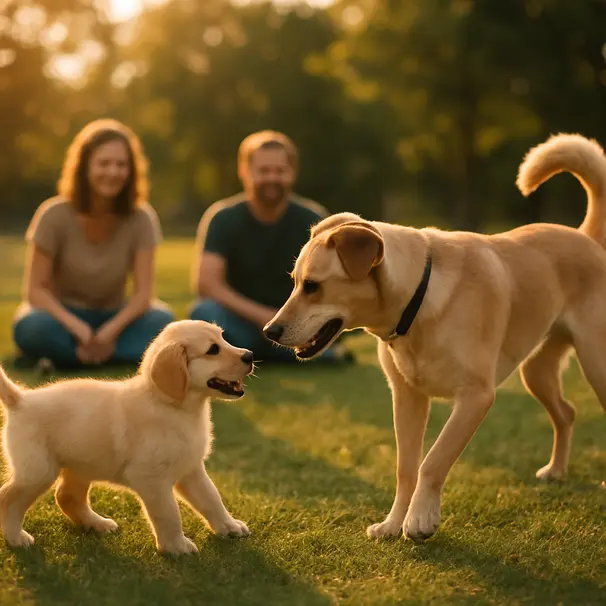
- Invite vaccinated, trusted dogs over. A healthy, fully vaccinated adult dog at your home can offer safe, relaxed company.
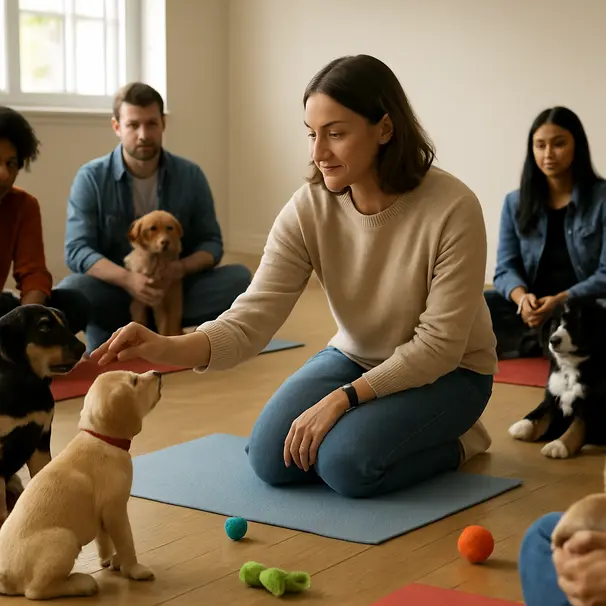
- Use controlled puppy classes that require participants to show vaccine records and follow hygiene rules. Puppy classes that focus on handling and low-gear play can be a great bridge.
- Carry the puppy when in public spaces with unknown dogs or lots of contamination risk. Let them meet people on your lap or a blanket rather than sniffing the ground.
- Choose low-risk outdoor surfaces. Avoid dog parks or places with visible dog waste. Short walks on quiet paths can still provide sights and sounds to learn from.
- Socialise to sounds at home. Play recordings of traffic, doorbells, and other noises at a low volume while providing treats. This can build tolerance without outside exposure.
These practices help puppies gain social confidence and learning while you reduce exposure to pathogens. Talk with your vet about how strict to be, and consider local disease levels.

A sample timeline you can adapt
Below is a gentle, flexible plan you can tweak with your vet and carers. Think of it as a template, not a rulebook.
- Weeks 6–8: Settling in. Focus on gentle handling, short indoor visits from calm people, and getting used to a crate, collar, and car rides. Start first vaccinations if recommended.
- Weeks 8–10: Home-based socialisation. Invite one or two trusted, vaccinated dogs to your home. Continue daily handling and introduce light grooming. Begin short, carried visits to low-traffic outdoor spots.
- Weeks 10–12: Puppy classes and controlled outings. If your vet agrees, consider a reputable puppy class that checks vaccinations. Increase short, supervised encounters and practice polite greeting skills.
- Weeks 12–16: Boosters and wider exposure. As boosters are completed, gradually introduce more varied environments: quiet parks, calm cafes with outdoor seating, and supervised short play sessions with vaccinated dogs.
- After 16 weeks: Continue building variety. Keep practising manners, leash skills, and calm greetings. Ongoing positive reinforcement helps retain social gains.
Always watch energy and stress. If your puppy shows signs of fear, step back and try a gentler approach. Slow progress now can save a lot of trouble later.
Working with carers, sitters, and walkers
If you’ll rely on pet carers while you’re away, pick people who follow the same social rules you do.
- Ask carers for vaccination checks and references. A trusted carer should be willing to share how they introduce puppies to other dogs and people.
- Share your puppy’s routine. Tell carers about short session limits, favorite treats, and calming cues.
- Teach carers the “leave if stressed” rule. A professional should stop an activity if your puppy is uncomfortable, not push through for a better photo.
- Check-in with quick updates. A short message after a walk or play session helps you know how your puppy is coping and lets you coach the carer if needed.
Good carers can be socialisation partners. Consistency between owner and carer is one of the fastest ways to build a confident dog.
Troubleshooting common issues
- Fearful reactions: Reduce intensity and increase distance. Reward small steps toward curiosity and celebrate tiny victories.
- Overexcitement: Teach impulse control with brief sit-and-wait games and calming walks before play.
- Rough play: Interrupt briefly, separate calmly, and show calmer play models. Teach a clear “enough” cue and reward calm interactions.
- Illness concerns: If you suspect your puppy is unwell after an outing, contact your vet promptly. It’s better to be cautious.
These problems are normal. Patience, small consistent steps, and professional advice can help.
Final notes and next steps
Socialisation and vaccination timing are both about balance. You want a puppy who is curious, friendly, and healthy. That usually means starting safe social experiences early, practicing handling and exposure at home, and following a vaccine schedule your vet recommends.
If you use carers, include them in your plan, and ask for regular updates. A shared approach between owners, carers, and vets builds confident puppies and calmer days for everyone.
Remember, tiny daily wins count. A short, pleasant hello with a friendly person, a calm brush, or a carried view of a park can all add up to a happier adult dog. Consult your vet for medical choices, and reach out to experienced carers or trainers if you need extra help.
You don’t have to do it perfectly. Just keep it kind, predictable, and fun, and your puppy will thank you — in slobbery kisses and joyful chaos.