


Puppy socialisation: when and how long
Bringing home a puppy is equal parts joy and responsibility. Socialisation is one of the most important gifts you can give your new friend. It can help a puppy grow into a confident, curious adult who meets new people and places with calm interest rather than fear. This post walks through when to begin, how long sessions should last, practical routines you can build, and how trusted pet carers can play a supportive role.
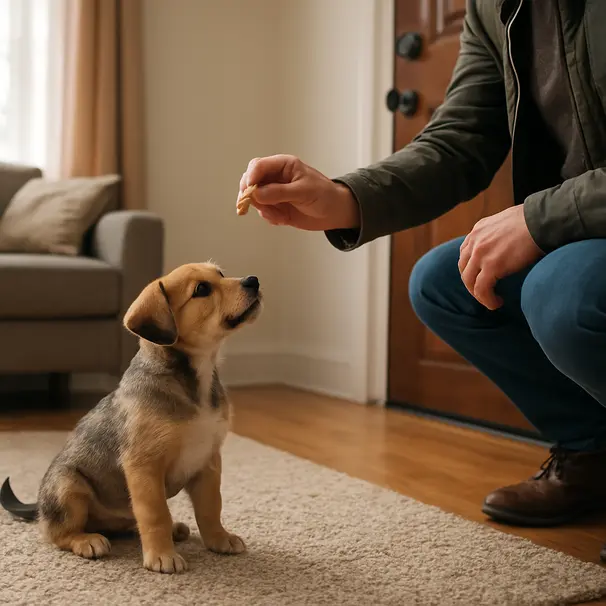
When should socialisation start?
Most trainers and behaviourists point to a sensitive period for puppies that often begins around three weeks of age and continues through about 12 to 16 weeks. This is a window when experiences tend to stick. Exposure during this phase may make puppies more comfortable with novel things later on, though learning continues well beyond these weeks.
If you pick up your puppy at eight to ten weeks, you still have a wonderful opportunity. The key is a steady, positive approach. Introduce new people, different surfaces, household noises and short encounters with other friendly dogs. Consider your puppy’s health status. Before full vaccination, avoid high-risk areas like dog parks, but you can still do many valuable things at home and in controlled environments. When you have any health questions, consider checking with your vet.
The early days: first two weeks at home
During the first couple of weeks in their new home, puppies are learning about you and their immediate environment. Keep introductions calm. Let them explore at their own pace, and offer gentle praise or treats for curious behaviour. Short, happy experiences now will build trust.
The critical social window: 3 to 16 weeks
This is the period most people mean when they say socialisation matters. Aim to give puppies a steady stream of positive experiences. That doesn’t mean overwhelming them. Think of small, frequent exposures: a new person in the house, a visit to a neighbour, a short car ride, or a friend gently handling their paws. Variety is more valuable than intensity.
How long should socialisation sessions be?
Short and sweet wins. Puppies have limited attention spans and get tired quickly, both mentally and physically. Aim for multiple short sessions each day rather than long outings that can leave them overwhelmed.
- 5 to 10 minutes for very young puppies or when facing something new and potentially stressful.
- 10 to 20 minutes for play and exploration once they’re comfortable.
- Several short exposures throughout the day that add up to a productive routine.
Watch your puppy’s body language. If they start to freeze, tuck their tail, pant, or show avoidance, wrap the session up and try again later with a gentler approach. You want the puppy to go from curious to comfortable, not from curious to frightened. Frequent, calm repetitions help them learn faster.
Building up duration gradually
Start with tiny steps and increase time as your puppy shows comfort. For example, a week of 5-minute doorstep greetings with different visitors can progress to a few 10-minute supervised meet-and-greets in a quiet park. Consistency helps more than long marathon sessions.
What to include in socialisation
A well-rounded socialisation plan touches on people, animals, places, sounds and handling. Think of daily life situations your puppy might encounter over the next year.
- People: different ages, clothing styles, hats, sunglasses, kids, people using wheelchairs or crutches. Calm introductions matter more than quantity.
- Dogs and other animals: calm, vaccinated adult dogs that are good role models can help teach manners. For puppies under-vaccinated, choose controlled settings, like the home of a trusted, healthy dog or supervised meetups.
- Surfaces and environments: carpet, tile, wood, gravel, grass, stairs, elevators, busy sidewalks. Let your puppy explore under your calm guidance.
- Sounds: vacuum cleaners, doorbells, city traffic, thunder recordings at low volume. Gradual exposure may help reduce startle responses later.
- Handling: touching paws, ears, tail, opening the mouth gently for teeth checks, brief grooming. Pair handling with treats so it becomes a positive routine.
Daily routine ideas you can try
A practical, repeatable routine is what will make socialisation stick. Here are sample activities you can weave into a normal day.
Morning: short, calm greeting practice. Ask a family member or friendly neighbour to offer a treat for a calm approach. Two or three minutes.
Late morning: short exploration around the block in a carrier or on a leash if vaccinated. Let your puppy observe new sights and smells without pressure.
Afternoon: gentle handling practice, five minutes. Play a quiet sound file at low volume while offering treats and cuddles.
Evening: playtime and a brief supervised visit with a friendly dog or a new toy that squeaks. Keep it fun and stop when the puppy is still interested.
Spread these small moments across the day. The goal is repetition and positivity rather than one-off, intense sessions.
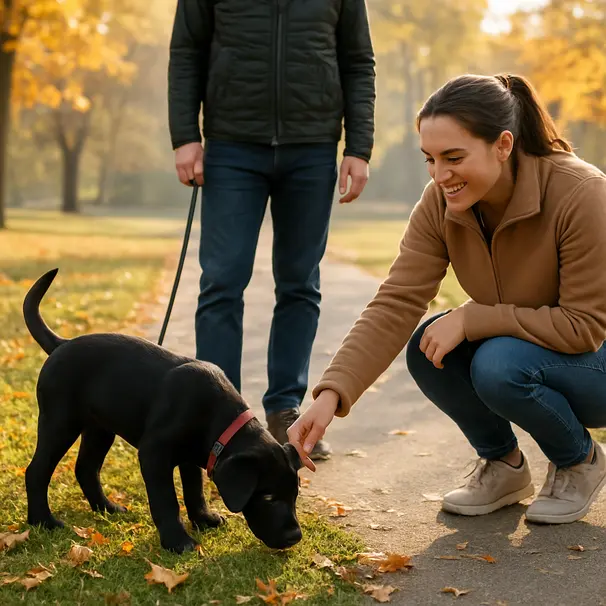
Using positive reinforcement and body language cues
Rewards teach faster than scolding. Use high-value treats, praise, and play to reward curiosity and relaxed behaviour. If a puppy retreats, don’t force the interaction. Back off, make the next chance inviting, and reward small brave steps.
Learn to read subtle signs of stress. Yawning, lip-licking, turning the head away, and sudden stillness may mean your puppy needs a break. Respecting those signals builds trust and helps the puppy feel in control.
Group classes, one-on-one puppy sessions, and pet carers
Group puppy classes can be a great place for structured socialisation. Look for small classes led by positive, force-free trainers who prioritise safe, gradual introductions. Ask about vaccination policies, the ratio of puppies to instructors, and the trainer’s approach to handling fear or over-excitement.
If you’re nervous or your puppy is shy, consider one-on-one sessions with a qualified trainer or an experienced pet carer from a trusted platform like Floofy. A pet carer can provide calm, consistent exposures in a controlled setting, especially when owners are busy. When choosing a carer, check reviews, ask about their experience with puppies, and confirm they use gentle, reward-based techniques.
Safety and health considerations
Before you expose your puppy to dog-heavy public spaces, consider their vaccination timeline. You can still do a lot before full vaccinations: introductions at home, short controlled meetings with fully vaccinated dogs, carrying them in a carrier to observe outside environments, and handling practice.
If you have health concerns, consider checking with your vet. Also watch for signs of illness after social outings and be cautious with places where unknown animals might roam unsupervised.
Troubleshooting common issues
- Puppy seems overwhelmed: Shorten sessions and return to an easier earlier step. Celebrate tiny wins.
- Fear of people or dogs: Never force contact. Set up distance, reward calm behaviour, and gradually decrease distance over many short sessions.
- Overexcitement around other dogs: Teach calm greetings by rewarding four paws on the ground and sitting before allowing sniffing.
- Regression after illness: Take it slowly. Reintroduce experiences at a gentle pace and focus on rebuilding positive associations.
Long-term maintenance
Socialisation is not just for the first few months. Keep offering new experiences throughout adolescence and adulthood. Regular exposure to novelty helps maintain confidence. Rotate environments, meet new people, try different safe dog-friendly activities, and involve pet carers for extra variety when you need a helping hand.
Practical checklist for the first 16 weeks
- Week 1–2: gentle home introductions, short handling practice, crate and car comfort exposures.
- Week 3–6: meeting calm, vaccinated dogs in controlled settings, different surfaces, short neighbourhood walks in a carrier or on leash if vaccinated.
- Week 7–10: short, positive interactions with a variety of people; short supervised, vaccinated dog playdates if appropriate.
- Week 11–16: gradually increase length of outings, supervised group class introductions if the vet is comfortable, controlled public exposures.
Keep notes of successes and areas that need more work. That helps you and any carers stay consistent.
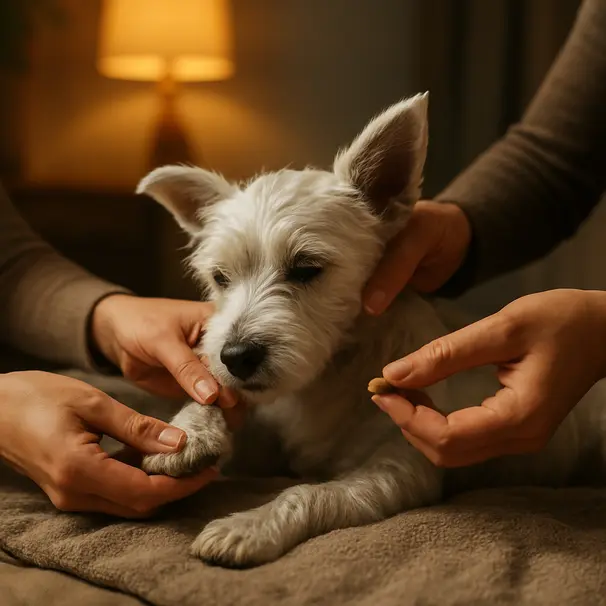
How pet carers can help
Trusted pet carers can be a huge support. They can offer consistent, gentle social exposures during the day while you work, provide extra practice with handling and walk manners, and give feedback on how your puppy responds to new situations. When booking, ask carers about their experience with puppies, handling methods, and examples of how they gently desensitise puppies to noises and strangers.
A thoughtful carer becomes a partner in your puppy’s social life. They can reinforce the positive behaviours you teach at home and help expose your puppy to new, safe environments under supervision. Communication between you and the carer is essential. Share the puppy’s likes and limits, favorite treats, and any vaccinations or health considerations.
A few final, practical tips
- Quality over quantity. A few calm, positive experiences are better than many stressful ones.
- Use treats and praise to create pleasant associations quickly.
- Keep sessions short and frequent, and always end on a good note.
- Respect your puppy’s comfort level and adjust pace accordingly.
- Involve people your puppy will regularly meet, so those interactions become familiar.
- Ask for professional help if fear or aggression appears. Early guidance can be very effective.
Summary
Start socialisation early, but move at your puppy’s pace. Short, frequent sessions across people, places, sounds and handling build confidence. Use positive reinforcement and watch for stress signals. Group classes, trainers, and experienced pet carers can all play helpful roles. With patient, consistent practice, you can help your puppy become a friendly and adaptable companion for life.
Happy socialising, and remember that every small, pleasant experience adds up. If you’d like help finding a trusted carer or a gentle puppy class, Floofy can connect you with local, vetted professionals who love puppies as much as you do.