

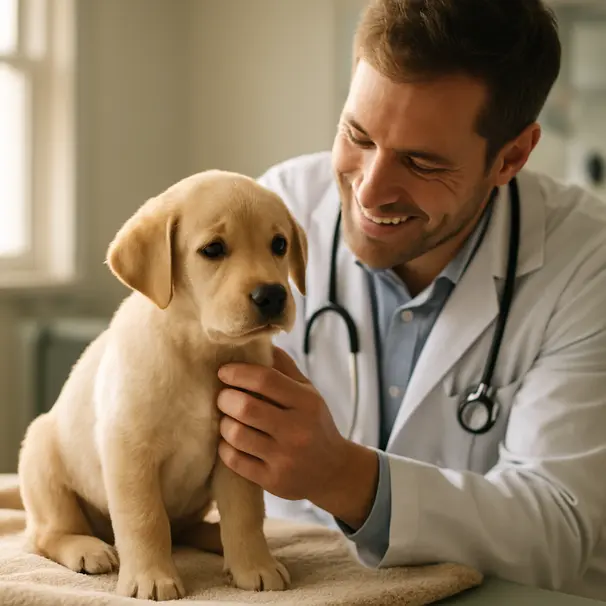
Welcome to puppy parenthood
Bringing home a puppy is pure joy and a fair bit of learning. Vet checkups are one of the most important routines you’ll set up early on. They help catch problems early, set up a vaccination and deworming plan, and make sure your pup is growing into a healthy adult. It’s normal to have a long list of questions. This post helps you organize those questions, suggests follow-ups, and offers practical tips for a relaxed visit.
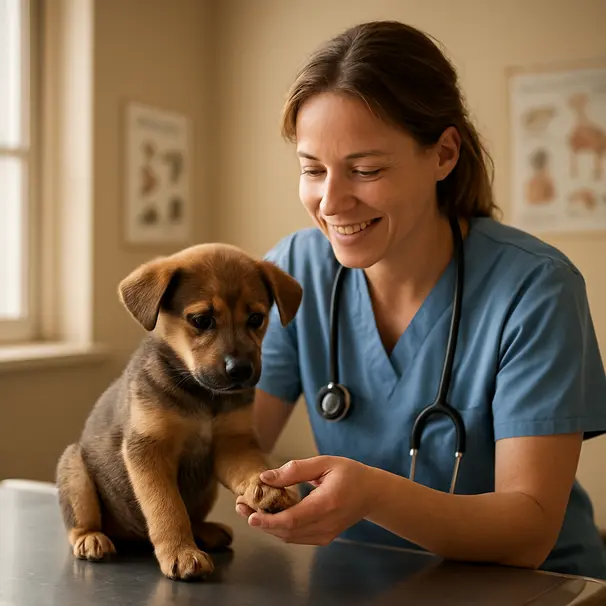
Before the appointment: quick checklist
A little prep goes a long way. Before you walk into the clinic, gather these items and notes. They make the visit smoother, and give your vet helpful context.
- Current food brand and amount you feed. Vets often ask about diet to check growth and digestion.
- Any stool samples if possible, or notes about bowel habits.
- Record of behavior changes, sleeping patterns, appetite changes, or coughing, sneezing, and scratching.
- Any paperwork from the breeder or shelter, including previous vaccines, microchip details, and deworming records.
- A list of medications, supplements, or home remedies you’ve given.
Bring a calm attitude. Puppies pick up our stress, so offer treats, praise, and a short walk before entering the clinic if the environment helps them settle.
Questions to ask during a general puppy checkup
Start with the basics, then go deeper depending on your pup’s age, breed, and health history. Here are friendly, practical questions that help you and your vet build a care plan together.
Growth and body condition
- Is my puppy growing at a healthy rate? How do you measure growth here? Ask the vet to show you the growth curve and where your pup sits.
- Does their weight look appropriate for their breed and age? Some breeds have different growth expectations.
- What should I expect as normal energy and activity levels for this age?
Nutrition and feeding
- Is the food I’m feeding suitable? Can I switch foods, and how should I do that? Sudden changes can upset a pup’s stomach, so ask for a transition plan.
- How much and how often should I feed? Puppies often need smaller, more frequent meals.
- Are there supplements you recommend or that I should avoid? Mention any supplements you already give.
Vaccinations and preventatives
- Which vaccines does my puppy need now, and which ones come next? Ask for a vaccination schedule you can keep at home.
- Are there side effects to watch for after vaccinations? Most reactions are mild, but it helps to know what merits a call or visit.
- Do you recommend flea and tick prevention, and what products are safe for puppies of this age and weight?
Parasite control
- When should deworming start, and how often should it be repeated? Puppies often need several doses early on.
- Should we test for intestinal parasites and heartworm now, or later? Ask about local parasite risks.
- What signs of parasites should I monitor at home?
Dental health
- When should I start brushing my puppy’s teeth and introducing dental chews? Early habits can prevent issues later.
- Are there any concerns about teeth alignment or retained baby teeth you see today?
Socialization and behavior
- Is the socialization plan I’m following on target? Ask for specific age-appropriate activities.
- How do I approach chewing, nipping, house training, and crate training? Vets can offer behavior referrals if needed.
- At what age is it safe to start group puppy classes or meet other dogs? Vaccination timing often affects this.
Microchipping and identification
- Should we microchip now if not already done? What information should be registered, and how is updating handled?
- Any tips for collars, ID tags, or GPS trackers?
Spaying and neutering
- When do you recommend spaying or neutering for my pup’s breed and size? There are pros and cons that may vary by breed.
- What are the risks and recovery expectations for the surgery?
Breeds and special concerns
- Are there breed-specific health screenings or conditions I should know about? Some breeds need early monitoring for joint or eye issues.
- Do you recommend any genetic testing or early screening tests?
Questions about test results and next steps
If your vet runs tests during the visit, it’s a good idea to ask for clear explanations and practical follow-up steps.
- What do these test results mean in plain language? Ask the vet to explain abnormal values simply.
- Are follow-up tests or rechecks necessary, and on what timeline? Ask for dates and what to watch for in the meantime.
- What at-home care or monitoring do you recommend between appointments?
Practical tips for a calm, successful visit
Puppies may be nervous and curious, so a few small steps can make visits much easier for everyone involved.
- Schedule appointments at quieter times of day if possible. Less foot traffic often means less stress.
- Bring a favorite toy or blanket that smells like home.
- Use treats your pup really loves, and offer them during the exam to build positive associations.
- If your puppy is fearful, tell the staff. Many clinics have low-stress handling techniques and can take extra time.
- Plan short car rides before appointments to reduce travel anxiety.
What to do after the checkup
After your appointment, you’ll likely have a list of vaccines, meds, and follow-up tasks.
- Keep a written schedule of upcoming vaccines and deworming dates. A simple calendar reminder can prevent missed doses.
- Note any post-vaccine reactions or behavioral changes for the next 48 hours. Mild lethargy or soreness can be normal.
- Start implementing behavioral recommendations right away, like crate training sessions or enrichment activities.
- Use the vet as a resource. It’s okay to call with questions about changes you see at home.

Questions about emergency signs and when to call
Puppies can get into trouble quickly. It helps to know which signs require an urgent call to your vet or emergency clinic.
- What signs count as an emergency for a puppy of this age? Ask for specific examples, like persistent vomiting, severe diarrhea, difficulty breathing, or collapse.
- Is there a time window when I should bring my puppy in for bites, wounds, or suspected toxin exposure? Some situations need immediate attention.
- What first aid steps should I use while on the way to the clinic? This could include how to stop bleeding or how to keep a pup calm.
Vaccination myths and common questions
There’s a lot of conflicting information online. Bring up any myths you’ve heard and ask your vet to clarify.
- Are antibody tests a replacement for vaccines? In some cases vets may consider titers, but ask if that fits your pup’s situation.
- Do vaccines cause long-term problems? Most vets will explain the balance of risks and benefits for your puppy.
- How do I weigh vaccination schedules with socialization needs? Many vets provide practical plans that protect your pup while still allowing early learning.
Notes and tracking: a simple system
Keeping a small puppy health journal helps you and your vet look back and spot trends.
- Date, weight, food, stool notes, vaccinations, deworming, and behavior notes.
- A space for questions to bring to the next visit.
- Keep medical receipts and records in a folder or a phone photo album for quick access.
Building a partnership with your vet and carers
Your veterinarian is a teammate in your puppy’s health. If you use pet carers or dog walkers, share the care plan with them. They can help keep routines consistent.
- Ask your vet for a short, shareable summary of your puppy’s needs, like feeding times, medications, and any behavior tips.
- If you’re using a pet care platform, upload vaccination records and any vet-recommended instructions for carers.
- Encourage carers to report changes in appetite, stool, or energy so you can bring them up at the next visit.
Final thoughts and a gentle reminder
Vet visits are less about worry and more about teamwork. Asking thoughtful questions helps you make informed choices, and it helps your vet tailor care to your puppy’s unique needs. Bring curiosity, bring treats, and don’t be afraid to ask the same question twice if it helps you remember. Your puppy’s best chance at a long, playful life is a worried-free, well-informed caregiver.
If you ever feel unsure after an appointment, call and ask. Vets expect follow-up questions, and clinics want to help you feel confident. Your puppy is new to the world, and every question you ask builds a safer, happier life together.