


Puppy whining: what it means & how to help
Puppy whining is one of those sounds that can pull at your heartstrings. It’s small, urgent, and sometimes a little heartbreaking. As a pet owner or carer, you want to know what your pup is trying to say and how best to respond. This guide breaks down common reasons puppies whine, how to tell them apart, practical steps to help, and when to seek extra support.
First things first: whining is communication
Puppies don’t have words, so whining is one of their main ways to communicate. The sound can mean anything from a full bladder to fear of something unfamiliar. The good news is that with patience and consistent responses, most whining can be reduced over time. Before trying training techniques, take a moment to look for obvious needs: hunger, pain, temperature, or the need to potty.

Why puppies whine: the common causes
- Hunger or thirst: Puppies have small stomachs and fast metabolisms. If feeding routine or portions aren’t right, whining might be a cue that mealtime is coming.
- Need to eliminate: A whine in the middle of the night often means your pup needs to go outside. Puppies can’t hold it as long as adult dogs.
- Discomfort or pain: Whining accompanied by trembling, hiding, or refusing treats may indicate discomfort. Consider a vet visit if you suspect pain.
- Fear or uncertainty: New places, loud noises, or unfamiliar people can cause anxious whining.
- Attention seeking: Puppies quickly learn that whining gets attention. If you immediately respond every time, the whining can become a learned habit.
- Boredom and lack of exercise: A puppy full of zoomie energy may whine out of frustration.
- Separation anxiety: Whining, pacing, drooling, or destructive behaviours when left alone can suggest separation stress.
Understanding the likely cause makes the rest of your plan easier. Context is everything: a whine while you pick up a leash sounds different from a whine at 3 a.m.
How to read the different kinds of whining
Sound alone doesn’t tell the whole story. Combine the noise with body language, timing, and environment.
- The quick, repeated whine: Often attention-seeking or excitement. Watch for tail waving, bright eyes, and movement toward you.
- A thin, high-pitched whine: This can indicate fear or uncertainty. Look for tucked tail, flattened ears, or avoidance.
- Low, drawn-out whining: May suggest discomfort or a need to eliminate.
- Whining with shaking or unusual stillness: Could be pain or significant anxiety.
Observe when the whining happens. Is it right after you leave the room? After a play session? During feeding? That pattern is a big clue.
Immediate responses: calm and practical
When your puppy whines, your first job is to quickly rule out urgent needs. Here’s a simple checklist:
- Check for medical/red-flag signs: bleeding, vomiting, severe lethargy, obvious injury, or inability to stand. If present, consider contacting a vet right away.
- Offer a quick bathroom break, especially at night or after naps.
- Ensure the puppy isn’t cold or too hot. Young pups can’t regulate temperature well.
- Provide water if their last drinking time was a while ago.
If none of those apply and the whining seems behavioral, try to stay calm. Puppies pick up on our tone. A soothing, matter-of-fact approach works better than high excitement.
Training strategies that can help reduce whining
Consistent, gentle training helps puppies learn what gets attention and what doesn’t. Below are practical steps to try.
Reward quiet
- Wait for a brief moment of silence before giving attention, treats, or play.
- Start with small windows of calm and gradually increase them.
- Be sure to reward the behaviour you want: calmness.
Teach a replacement behaviour
- Train your pup to sit or go to a mat for attention. Practice frequently in short sessions.
- A puppy might whine less if they know a specific behaviour gets them what they want.
Crate training and safe sleeping spaces
- Many pups feel safer in a cozy crate, which can reduce night-time whining. Make the crate inviting with soft bedding and safe toys.
- Introduce the crate gradually. Feed meals near the crate and let the puppy explore it on their own.
Structured alone time
- Practice leaving your puppy for very short periods and return calmly. Increase the time slowly so your pup learns that you always come back.
- Keep arrivals and departures low-key. Big fuss can make separations more dramatic.
Mental and physical exercise
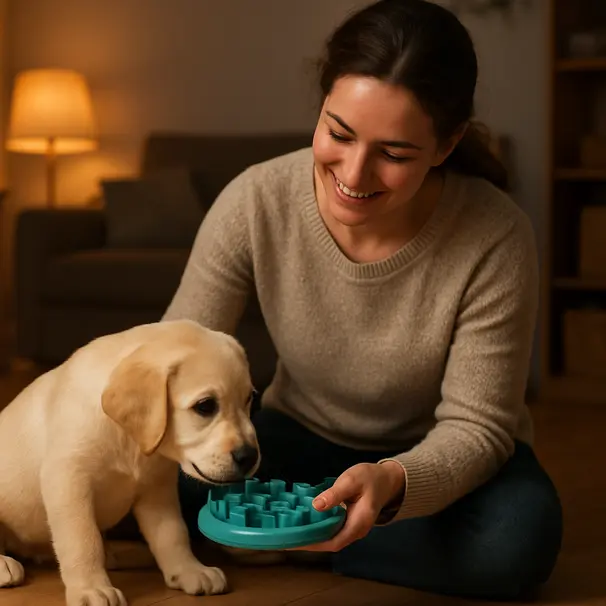
- A tired puppy tends to whine less. Short play sessions, training, puzzle feeders, and walks (as are appropriate for their vaccination status) can help burn off excess energy.
Avoid reinforcing unwanted whining
- If whining reliably brings you running, your puppy will repeat it. When safe, wait until quiet before opening the door or giving attention.
- That doesn’t mean ignoring basic needs. Be sure you’re not inadvertently letting your pup suffer in the name of training.
Sleep and night-time tips
Night-time whining is common, especially during the first few weeks after bringing a pup home. They miss their littermates and the sleep schedule is different from adult dogs.
- Establish a bedtime routine: a short toilet break, gentle calm time, and then the crate or bed. Routines are soothing.
- Place the crate where you can hear them, at least for the first few nights. A ticking clock wrapped in a towel or a warm (not hot) hot-water bottle can mimic littermate warmth.
- Offer a safe chew toy to occupy them if they wake up.
- Be consistent about when you respond. If nightly checking becomes a habit, it can be hard to change.
Socialisation and gentle exposure
Whining can be tied to fear. A puppy introduced to new people, surfaces, and sounds in positive, short sessions often becomes more resilient.
- Use treats and praise during new experiences.
- Keep exposures short and enjoyable.
- Never force interactions. Let your puppy approach at their own pace.
Positive early experiences can reduce fear-based whining down the line.

When to consider medical or professional help
Some whining signals deserve extra attention. Consider reaching out to a vet or an experienced behaviourist if you notice:
- Sudden, unexplained increase in whining or other changes in behaviour.
- Whining accompanied by signs of pain: limping, biting a body part, loss of appetite, or unusual lethargy.
- Persistent night-time crying that doesn’t improve after a couple of weeks.
- Signs of severe separation anxiety: destruction, intense panicking, or self-harm when left alone.
A vet can rule out physical causes. A certified trainer or behaviourist can help with targeted plans if the whining stems from anxiety or reinforcement histories.
How pet carers can help on Floofy
If you’re a pet carer working with a new puppy, your role can really make a difference.
- Communicate clearly with the owner about the puppy’s routines: feeding times, potty schedule, and sleep habits.
- Use consistent responses. If the owner asks for quiet-reward training, follow the plan.
- Keep detailed notes: when the whining happens, what solved it, and any changes in appetite or mobility.
- Offer enrichment: short training games, supervised play, and puzzle feeders can reduce boredom-related whining.
- If the puppy seems unwell, flag it up to the owner and suggest a vet consult.
Good communication between owners and carers helps puppies settle faster and gives everyone confidence.
Quick troubleshooting: common scenarios
- Whining in the car: Offer short, calm trips, and pair the car with treats. Some pups need time to associate the car with positive outcomes.
- Whining at the door: If your puppy whines every time someone leaves, practice calm departures and short absences. Reward calm behaviour.
- Attention-seeking whining during play: Pause the game for a few seconds when whining begins. Resume when the puppy is quiet.
Gentle do’s and don’ts
Do:
- Be patient and consistent.
- Rule out medical issues early.
- Offer structure, exercise, and mental engagement.
- Reward quiet and calm behaviours.
Don’t:
- Yell or punish the puppy for whining. That can increase anxiety.
- Immediately rush to pick them up every time they whine if basic needs are met. That teaches the behaviour.
- Ignore serious changes in behaviour or health.
Final thoughts: small steps add up
Puppy whining is normal, especially in the first few months. It’s their language while they figure out life in your home. With calm observation, simple routines, and consistent training, most puppies outgrow the need to whine for attention or comfort. If you’re ever unsure, consider reaching out to a vet or an experienced carer through Floofy for guidance. You don’t have to navigate puppyhood alone.
If you’ve got a whiny pup, remember: you’re doing a big job well. Celebrate the small wins, keep learning, and enjoy those gummy little yelps—they won’t last forever.