

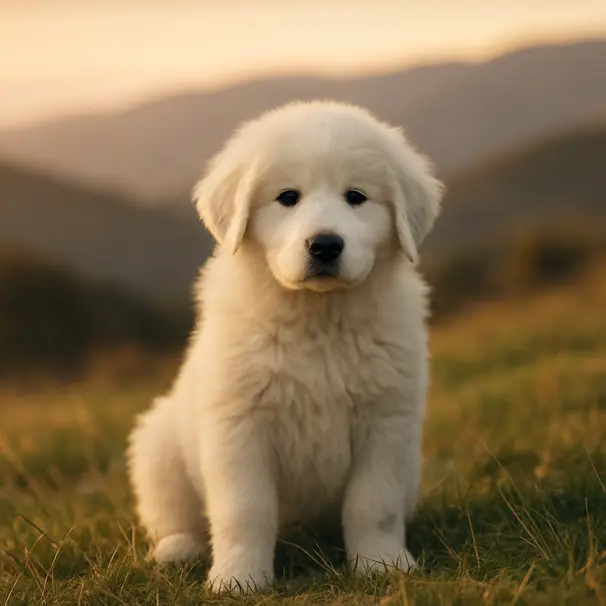
Welcome to your Pyrenean Mountain Dog puppy guide
If you have your heart set on a Pyrenean Mountain Dog puppy, congratulations. These gentle giants, often called Great Pyrenees, can be loving, calm, and quietly entertaining companions. This guide is written for pet owners and pet carers who want practical, friendly advice on bringing a pup into a home, keeping them healthy, and helping them grow into a confident adult dog.
Quick facts at a glance
- Other names: Great Pyrenees, Pyrenean Mastiff in some regions
- Size: Large to very large; adults often weigh 85–115 pounds or more
- Coat: Thick double coat, usually white with possible markings
- Temperament: Calm, independent, protective, affectionate with family
- Lifespan: Often 9–12 years, varying by genetics and care
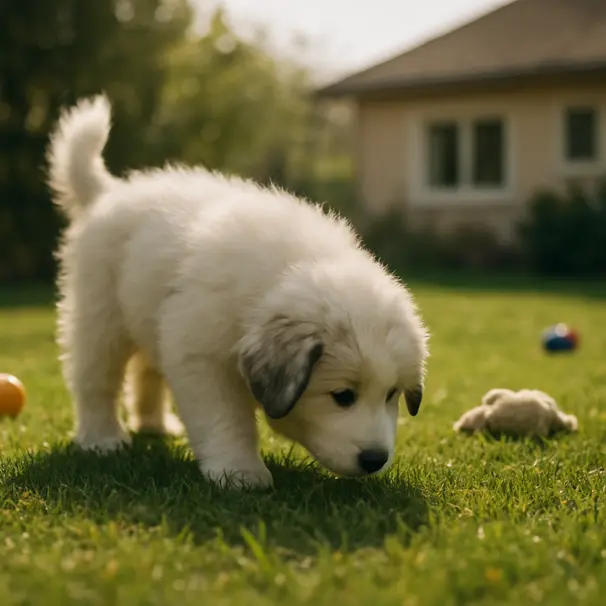
A curious Pyrenean puppy exploring a sunny yard.
Why these basics matter
Knowing what to expect helps you plan for space, exercise, feeding needs, and grooming. Pyrenean Mountain Dogs are not the best fit for tiny apartments or owners who want a perpetually lap-sized dog. They do well in homes with room to roam, and in families who enjoy steady companionship rather than constant activity.
Origins and temperament
These dogs come from the Pyrenees mountains between France and Spain, where they worked as flock guardians. That history explains a lot about their personality. They tend to be calm and thoughtful, but also independent and protective. They’re often gentle with children, but their size and strong guardian instincts mean early socialization is important. A well-socialized Pyrenean puppy learns to accept visitors, other animals, and the rhythms of household life.
What Pyrenean Mountain Dog puppies look like
Puppies are fluffy and endearing. Their baby coat is softer and may look more muted than the adult coat. Expect a steady maturation: by about 18 to 24 months you’ll see the adult body and coat starting to settle. Coat colors are usually white or cream, sometimes with gray, tan, or badger markings around the head or body. Their faces often carry an expression that mixes curiosity with calm confidence.
Puppy care: the first weeks
Those first weeks are vital. They set the tone for training, bonding, and health monitoring. Here are practical steps to take.
Home preparation
- Create a comfortable sleeping spot, slightly raised from drafts.
- Choose sturdy toys that resist chewing, and avoid small items that could be swallowed.
- Install baby gates if you want to limit the puppy to safe rooms while they learn house rules.
Feeding and nutrition
Feed a high-quality large-breed puppy formula that supports slow, steady growth. Rapid growth in giant-breed puppies may increase joint stress, so consider feeding guidelines for large breeds, and consult your veterinarian about appropriate portions and frequency. Fresh water should always be available, and treats should be used sparingly during training.
Health basics
Schedule a first check-up with a trusted vet within a few days of bringing the puppy home. Vaccination schedules, deworming, and parasite prevention are important. Use careful wording: discuss options with your vet, and consider timing for vaccines and microchipping. If you’re uncertain about anything, your veterinarian can help you create a schedule that fits your pup’s needs.
Early socialization
Introduce your puppy to different people, gentle dogs, household noises, and varied surfaces. Positive, calm experiences help them learn that new situations are safe. Keep initial exposures short and pleasant, and gradually increase variety. Puppy classes can be a great place to practice meeting others under supervision.
Training: patient, consistent, and kind
Pyrenean Mountain Dogs are smart but can be independent. Training methods that use positive reinforcement, short sessions, and consistent rules usually work best. Start with basic cues like sit, come, and leave it. Leash training is crucial; these dogs may have a strong instinct to roam or guard, so a reliable recall is a comfort for both of you.
Tips for success
- Keep sessions short and upbeat, especially with puppies.
- Reward calm behavior with praise, treats, or gentle petting.
- Avoid harsh corrections; they can make an independent breed shut down or become defensive.
- Practice recall in a fenced area before trying off-leash work.
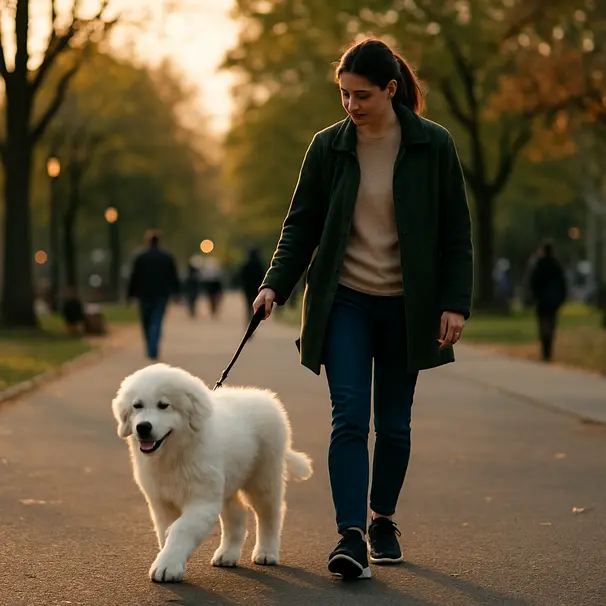
A calm training moment during a short session.
Exercise and mental enrichment
While not as hyperactive as some herding breeds, Pyrenean puppies still need regular exercise to burn off energy and learn good manners. Short walks, play sessions, and puzzle toys can keep them satisfied. As they grow, increase the length and intensity of walks gradually to protect growing joints. Think long-term: these dogs enjoy moderate daily exercise, plus opportunities to explore and sniff.
Grooming and coat care
The double coat sheds seasonally. Regular brushing helps manage loose fur and keeps the coat healthy. Brushing also offers bonding time and lets you check the skin for signs of irritation or parasites. Baths are only occasionally necessary and can be spaced out so the coat retains natural oils. Nail trimming, ear checks, and dental care should all be part of a grooming routine.
Practical grooming routine
- Brush 2–3 times a week most of the year, more during heavy shedding.
- Use a slicker brush plus a wide-tooth comb for undercoat maintenance.
- Check ears weekly, trim nails every few weeks, and brush teeth several times a week.
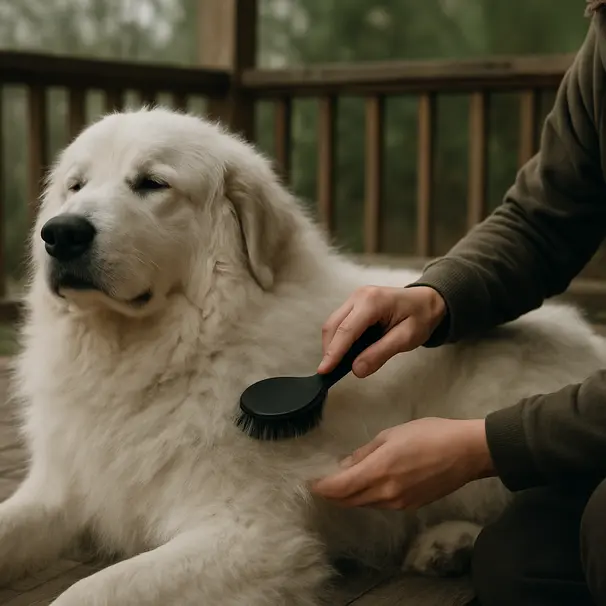
Grooming keeps the double coat healthy and shiny.
Common health considerations
Large breeds may face joint issues, and Pyrenean-type dogs can be prone to hip dysplasia, elbow dysplasia, and certain breedspecific conditions. This is not a diagnosis, it’s a reason to be vigilant. Consider screening recommended by breeders or your veterinarian, and ask your breeder for health clearances when choosing a puppy. Good nutrition, appropriate exercise, and regular vet check-ups can help you manage risks as your puppy grows.
Living with a Pyrenean puppy
These dogs adore family life. They enjoy being close to people, and many are patient around children. Because of their size, teach children how to interact gently and supervise play until everyone knows the boundaries. They can be vocal guardians, which is great for alerting you, but may need training to avoid excessive barking at trivial noises.
Finding a puppy: breeders, rescues, and adoption
Deciding where to get your puppy is a big step. Reputable breeders focus on health, temperament, and responsible placement. Expect breeders to ask you questions about your home and family, and to provide health documentation. Rescues and shelters sometimes have adults or young dogs in need of a home, and adopting can be deeply rewarding. When possible, meet the puppy’s parents, visit the environment where pups are raised, and ask about socialization practices.
Budgeting and costs
Large-breed puppies come with costs that include food, vaccinations, spay/neuter, training, grooming tools, toys, and preventive medications. Also factor in higher food consumption and occasional medical expenses. If you plan to hire a pet carer, include boarding or in-home care rates in your budget. A clear financial plan helps you provide the best possible life for your dog.
Working with pet carers and sitters
If you’ll be leaving your puppy with sitters or pet carers, make preparation easy for everyone. Create a care sheet with feeding amounts, favorite toys, exercise routines, and emergency contacts. Introduce your puppy to the carer before a longer stay. Trust is built through clear communication and gradual transitions.
Sample care sheet items
- Feeding schedule and portion sizes
- Known allergies or sensitivities
- Vet contact and preferred emergency clinic
- Comfort items, such as a favorite blanket
A friendly pet carer walking a young Pyrenean puppy.
Preparing your home: a simple checklist
- Secure yard fencing, check for escape points
- Remove toxic plants and choking hazards
- Create a crate or safe den area
- Buy chew-proof toys and durable feeding bowls
- Arrange first vet appointment and microchipping
Common questions from new owners
How much space do they need?
A secure yard and room indoors are ideal. They adapt to different settings if their exercise and enrichment needs are met.
Do they get along with other pets?
With careful introductions and socialization, they often accept other household pets. Early, positive exposure helps them learn to live peacefully with others.
Are they suitable for first-time owners?
They can be managed by new owners who are willing to learn about large-breed care, consistent training, and early socialization.
Final thoughts: a loving, thoughtful commitment
Pyrenean Mountain Dog puppies bring big hearts and gentle company. They reward patient training, thoughtful grooming, and steady socialization. If you provide structure, a calm leader, and a safe environment, they’ll likely become devoted family members. Keep learning, keep asking questions, and build connections with trusted vets, trainers, and pet carers. Enjoy the floppy ears, the fluffy puppy stages, and the slow-motion charm of these mountain-born companions.
Useful resources and next steps
- Talk to a veterinarian about vaccination and nutrition plans
- Look for local large-breed friendly trainers or puppy classes
- Search rescue groups and reputable breeders with health documentation
- Prepare a care sheet for pet carers and family sitters
With preparation and patience, your Pyrenean Mountain Dog puppy can grow into a calm, protective, and affectionate adult. Take small, consistent steps each day, and enjoy the journey together.