

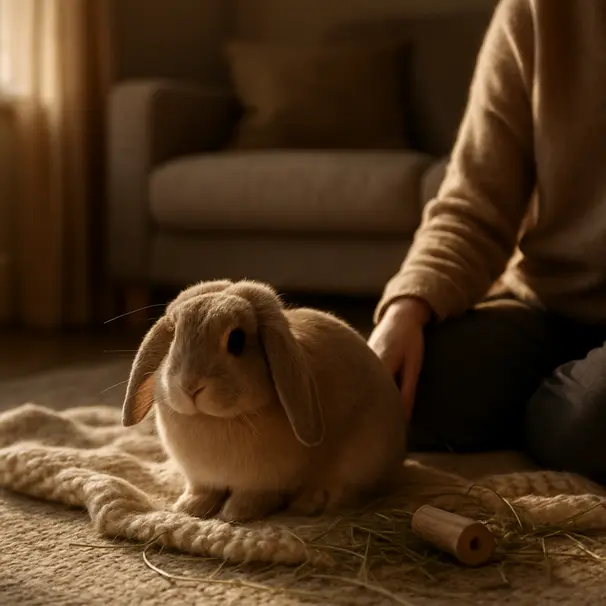
A warm hello to rabbit lovers
Rabbits are curious, expressive, and often surprisingly chatty in their own quiet way. This guide is for pet owners and pet carers who want straightforward, kind, and practical advice to help rabbits thrive. I’ll share essentials on housing, feeding, handling, enrichment, and health basics you can use today.
Rabbits may seem low-maintenance at first glance, but they do best with thoughtful routines, an enriched environment, and gentle handling. The tips below are friendly, usable, and tested by people who love floofy noses and twitchy whiskers.
Rabbit basics: personality, breeds, and lifespan
Rabbits are social prey animals with strong instincts. They can form close bonds with people and other rabbits. Most domestic rabbits live 7 to 12 years, though some larger or smaller breeds may be shorter or longer lived. Common types include dwarf breeds, lop-eared rabbits, and medium-sized mixed breeds.
Key personality points:
- Social and curious: They enjoy company and gentle interaction.
- Easily startled: Sudden noises or quick movements can scare them.
- Routine lovers: Predictable feeding and play times reduce stress.
If you’re caring for someone else’s rabbit, ask about their routines and preferences. Small details like favorite treats or a preferred hiding spot make a big difference.
Housing and environment: comfort, safety, and space
Rabbits need space to hop, stretch, and stand on their hind legs. A small cage used only for transport or short-term confinement isn’t enough. Set up a safe home area that includes:
- A roomy enclosure or rabbit-proofed room with at least 4–6 times the rabbit’s stretched length for comfortable movement.
- A soft, absorbent litter tray with rabbit-safe litter. Many rabbits learn litter habits quickly if provided a box with hay nearby.
- Multiple hiding spots: cardboard boxes, igloos, or tunnels help rabbits feel secure.
- Safe flooring: avoid slippery surfaces. Provide rugs or mats that offer traction and are chew-safe.
Temperature and ventilation matter. Rabbits handle cool temperatures better than heat. Keep them out of direct sunlight and make sure the area is well ventilated. If a rabbit lives indoors, protect electrical cords and houseplants that may be toxic.
Routine cleaning keeps smells and infections at bay. Spot clean daily and do a deeper clean weekly. Replace bedding and refresh hay often.

Diet and feeding: hay, greens, and treats
A rabbit’s diet shapes digestion, dental health, and energy. The cornerstone is unlimited fresh hay. Hay wears down teeth and supports gut movement. Offer timothy or meadow hay for adult rabbits, and consider alfalfa only for growing kits or as advised by a vet.
Daily diet basics:
- Unlimited hay: The majority of every rabbit’s diet.
- Fresh water: Refill and clean bowls or bottles daily.
- Fresh leafy greens: Give small, varied portions every day. Examples include romaine, cilantro, dandelion leaves, and parsley in moderation.
- Pellets: A measured portion of high-quality timothy-based pellets can be part of the diet, especially for adults. Avoid overfeeding pellets.
Treats should be occasional. Small pieces of fruit or commercial rabbit treats can be used for bonding or training, but keep portions tiny and rare.
Watch for changes in eating habits or droppings. A drop in appetite or smaller, irregular droppings can indicate digestive upset. If you notice these signs, consider contacting a vet promptly.

Health and grooming: gentle maintenance and vet guidance
Rabbits are good at hiding discomfort, so regular checks are important. Handling and looking over a rabbit a few times a week helps you spot subtle changes.
Simple health checks you can do at home:
- Check the eyes, nose, and ears for discharge or unusual smells.
- Look at the teeth: overgrown teeth can cause trouble. Regular grazing on hay can help reduce risk.
- Feel the body for lumps or sore spots while petting gently.
- Observe droppings: consistent, round droppings are normal. Soft or absent droppings may be a concern.
Grooming tips:
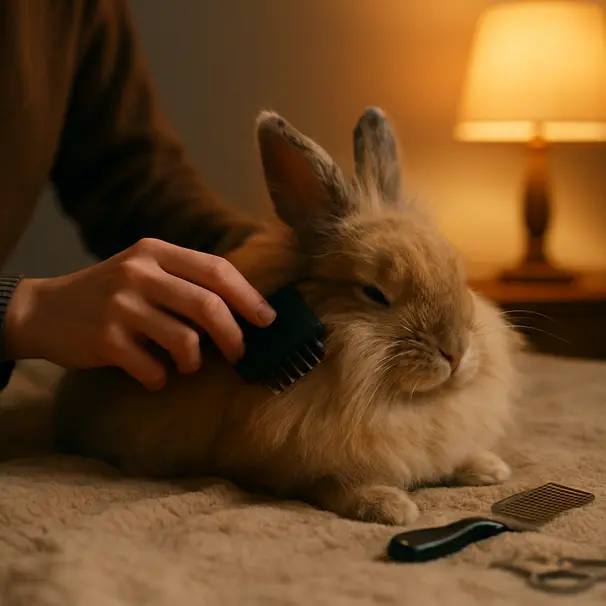
- Brushing: Short-haired rabbits benefit from weekly brushing. Long-haired breeds may need daily grooming to prevent matting.
- Nail trims: Trim nails carefully every few weeks. If you’re unsure, ask a vet or experienced carer to show you.
- Fur care: During moult season, increase brushing to reduce fur ingestion. Provide extra hay to help move fur through the digestive system.
For vaccinations, parasite checks, or any sudden illness, consider contacting a rabbit-savvy vet. The phrase “consider a vet visit” is important; professional advice can help keep small problems from becoming serious.
Handling and bonding: trust, calm, and respect
Rabbits prefer ground-level interactions. Picking them up can be stressful unless they know and trust you. For many rabbits, gentle petting, offering treats, and side-by-side time on the floor builds trust faster than repeated lifting.
Handling tips:
- Always support the hindquarters if lifting is needed. Keep movements slow and calm.
- Let the rabbit come to you. Offer your hand for a sniff before trying to touch.
- Use quiet voices and low movements. Talking softly can reassure them.
If you’re a pet carer looking after a new rabbit, ask the owner about preferences: favorite treats, known fears, and whether the rabbit likes being picked up. Consistency helps the rabbit adapt while you’re caring for them.
Enrichment: boredom busters and safe play
Rabbits need mental stimulation. Without it, they may become bored or destructive. Enrichment can be simple, inexpensive, and highly effective.
Easy enrichment ideas:
- Cardboard boxes and toilet-roll puzzles to chew and explore.
- Foraging toys filled with hay or small pieces of greens.
- Tunnels and low ramps for hopping and exploration.
- Short supervised play sessions outside their enclosure in a rabbit-proofed room or garden area.
Rotate toys and change layouts every few days to keep things fresh. If you take a rabbit outside, supervise closely and avoid areas where dogs or predators might approach. A secure run can be a great outdoor option for short supervised sessions.
Tips specifically for pet carers
Taking care of someone else’s rabbit is a mix of practical care and emotional trust. Here are habits that help both rabbit and caregiver feel safe.
Before the sitting or boarding session:
- Get a written care plan from the owner: feeding schedule, favorite foods, medications, vet contact, and emergency instructions.
- Ask about behavioral cues: what calms the rabbit and what scares them.
- Learn the rabbit’s escape routes and preferred hiding spots.
During care:
- Keep a simple daily log: food given, litter box changes, mood, and any unusual signs.
- Keep feeding and exercise times consistent with the owner’s routine.
- Communicate with the owner daily or as agreed, especially if anything changes.
Emergency readiness:
- Know the nearest rabbit-friendly vet and the owner’s contact numbers.
- If a rabbit stops eating or seems lethargic, consider advising the owner to contact a vet quickly. Quick action may help.
Travel, boarding, and temporary stays
If a rabbit needs to travel or stay with a carer, comfort and routine matter. Use a secure carrier for transport with comfortable bedding and a small water bottle or bowl. Keep travel times short when possible and move calmly.
For longer stays, replicate the rabbit’s home environment with familiar toys, bedding, and hay dispensers. Maintain the same feeding schedule and hiding places to reduce stress.
Quick checklists you can print or share
Basic daily checklist:
- Refill hay and fresh water
- Offer measured pellets and fresh greens
- Spot clean litter and remove soiled bedding
- Five to fifteen minutes of supervised play or enrichment
- Quick visual health check
Weekly checklist:
- Full litter change and bedding refresh
- Brush coat and check nails
- Clean toys and food bowls
Carer handover checklist:
- Written care plan and vet contact
- Keys, access instructions, and house rules
- Emergency permission to seek vet care or owner contacts
Final thoughts: calm, routine, and compassion
Rabbits reward patience. Small, steady routines, a safe environment, and daily enrichment help them be their best selves. If you’re a carer, open communication with the owner and a little extra empathy will make the experience smoother for everyone. For owners, investing time in gentle handling and habitat improvements can pay off in a happier, healthier rabbit.
If you ever feel unsure about a health change or behavior, consider reaching out to a rabbit-savvy vet. A quick check can ease your mind and keep your floofy friend bouncing along comfortably.
Happy caring, and enjoy those soft hops and twitchy noses.