

Why faces matter
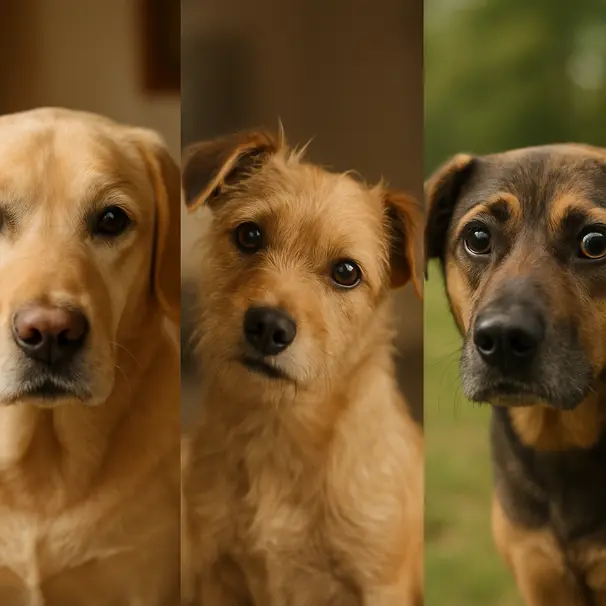
Dogs don’t speak our language, but their faces are surprisingly chatty. A flick of an ear, a softening around the eyes or a sudden lip lick can all be sentences in their emotional vocabulary. Learning to read those small signals helps you keep your dog comfortable, avoid misunderstandings, and build a stronger bond.
Whether you’re a pet owner, a Floofy carer, or meeting a dog for the first time, this guide walks you through the most useful facial cues and what they may mean. Remember every dog is an individual. Breed, age, and health can change how expressions look, so treat these cues as helpful clues, not absolute facts.
The eyes: windows to mood
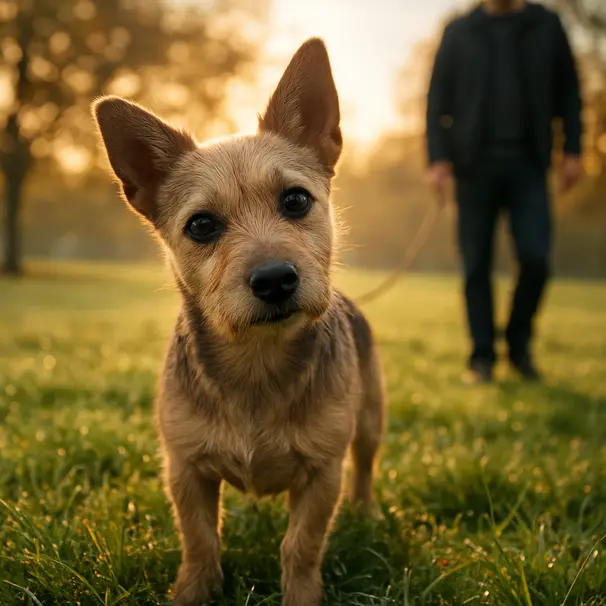
Eyes are one of the clearest places to start. Dogs use their eyes to share attention, show affection, and signal discomfort.
- Soft, squinty eyes: When the corners of the eyes relax and the gaze is gentle, your dog is probably calm and content. You might notice this during cuddles or quiet evenings.
- Direct, steady stare: A fixed stare can mean focus, curiosity, or sometimes tension. If your dog stares while their body is stiff, it’s worth giving them space.
- Whale eye: This is when you see the white around the eye. It often means discomfort, anxiety, or that the dog is keeping an eye on something while trying to avoid confrontation.
- Rapid blinking or prolonged avoidance of eye contact: Blinking can be a calming signal. Avoiding eye contact may mean submissiveness, nervousness, or that your dog is trying to de-escalate a situation.
Tip: Combine what you see in the eyes with body language. Soft eyes with a loose body are positive. Whale eye with a tense body deserves caution.
Practice exercise
Sit quietly with your dog and watch their eyes for a few minutes. Note when they look relaxed versus alert. Over time you’ll start to link expressions with specific contexts like doorbells, other dogs, or mealtime.
Ears: tiny flags with big messages
Ears are surprisingly expressive, but remember that ear position varies by breed. Floppy ears won’t move like pricked ears, yet they still shift subtly.
- Forward ears: Interest or alertness. Your dog is paying attention to something.
- Neutral ears: Calm and comfortable.
- Flattened back ears: Fear, submission, or stress. If the ears are pinned flat and the body is low, your dog may be frightened.
Tip: With floppy-eared breeds, look for the base of the ear and any forward or backward tilting rather than full rotation.
Mouth and lips: smiles, yawns, and licks
A dog’s mouth is full of signals. Some look like smiles, but context matters.
- Relaxed mouth, slightly open: A relaxed dog often has a soft, slightly open mouth with a relaxed tongue.
- Closed tight mouth with lip tension: This can indicate stress, concentration, or discomfort.
- Lip licking and tongue flicks: These are common calming signals. A dog might lick when they feel unsure, during introductions, or before a stressful event.
- Yawning: Dogs yawn when sleepy, but yawning in an active or tense situation can be a calming signal.
- “Smile” versus grin: A dog showing teeth with relaxed eyes and wagging body might be happy. But teeth shown with tense eyes, stiff posture, or growling is a different story.
If you’re not sure, step back and check the whole body: head posture, tail, and the rest of the face.
Combined cues: read the whole picture
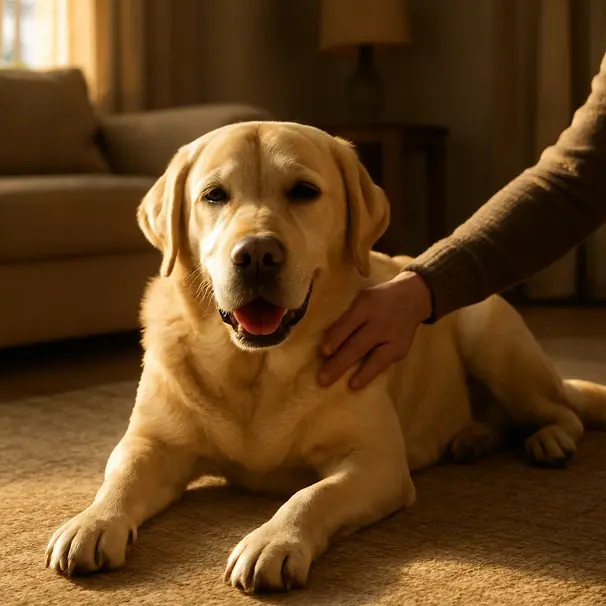
Facial expressions rarely stand alone. A soft face paired with a wagging tail and loose body means comfort. But a soft face with a tucked tail and low posture suggests something’s off. Here are a few common combinations and what they may mean:
- Soft eyes, open mouth, relaxed ears, wagging tail: Relaxed and happy.
- Whale eye, tight lips, stiff body: High stress or discomfort; give space.
- Rapid lip licking, yawning, slight turn away: The dog is trying to calm itself or avoid a perceived threat.
- Head tilt with bright eyes: Curiosity or trying to understand.
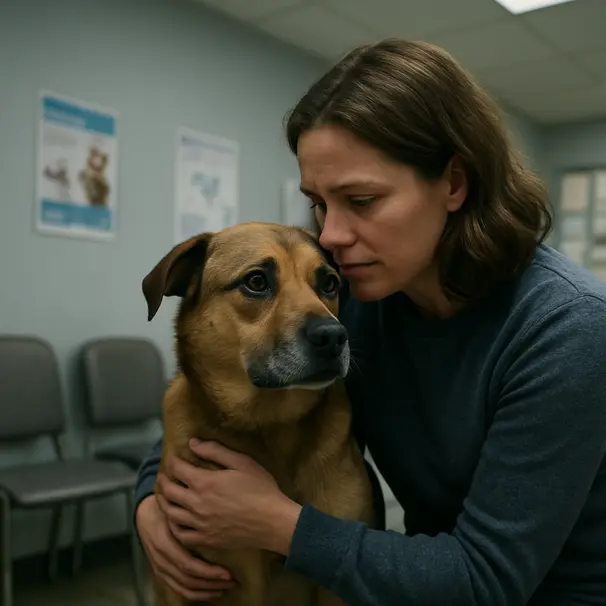
Context changes everything. A dog may show whale eye at the vet because of pain or because the environment is unfamiliar. Consider location, recent events, and changes in normal behaviour.
Calming signals and displacement behaviours
Dogs often use tiny, subtle behaviours to soothe themselves or others. Learning these helps you catch stress early.
Common calming signals:
- Lip licking
- Yawning
- Turning head away
- Slow blinking
- Sniffing the ground
Displacement behaviours are actions that seem out of context, like sudden scratching, sniffing, or licking. These can be the dog’s way of reducing tension.
As a carer, spotting these early can prevent a small problem from escalating. Offer a break, reduce pressure, or move to a quieter space.
Breed, age, and health: important modifiers
- Breed differences: Short-nosed breeds may naturally look more wrinkled or have different eye shapes. Herding breeds may use intense stares for work-related reasons. Keep breed traits in mind.
- Puppies: They’re still learning social signals and often over-express. Be extra gentle and patient when interpreting puppy faces.
- Senior dogs: Pain, dental issues, or hearing and sight changes can alter expressions. If a usually bright-eyed dog seems dull, consider a vet check.
If expressions change suddenly, consider a health check. A previously relaxed dog that now keeps their mouth closed and avoids eye contact may be uncomfortable or in pain. Use careful wording like consider and may, and suggest consulting a vet for persistent changes.
Reading expressions during walks and meet-and-greets
Walks and introductions are when misreading signals can cause friction. Here’s a practical checklist for safe interactions:
- Approach slowly and let the dog choose to come close.
- Offer an open hand at a comfortable distance, palm down.
- Watch the eyes: soft and curious is good; whale eye or fixed stare with a stiff body is not.
- Watch ears and tail: forward ears and a loose tail usually mean interest. Tucked tail or flattened ears mean give space.
- Look for calming signals like yawning or lip licking from either dog.
If a dog shows clear signs of stress, create distance or end the meet politely. Better to let a shy or anxious dog remain comfortable than to push for a handshake.
Practical training and observation tips
- Name the expressions: When you see a soft-eyed look or a quick lip lick, quietly name it to yourself. This builds recognition.
- Use video: Record short clips during walks or play sessions. Rewatching helps you notice patterns you missed live.
- Role-play with a friend: One person handles the dog while the other changes approach speed and tone. Observe the changes in facial expressions.
- Keep a notes log: Small notes about context (time of day, people present, other animals) help you link expressions to triggers.
These practices make you a better observer and help carers pass on clear, helpful notes to owners about how a dog handled a situation.
When to get help
Some behaviours are common and harmless, but others deserve professional attention.
Consider consulting a vet or certified behaviourist if you notice:
- Sudden or persistent changes in facial expressions or behaviour
- Signs of pain like avoiding eye contact, guarding a body part, or consistent lip tension
- Aggression patterns that include hard stares, snarling, or repeated uncomfortable signals
A behaviourist can help turn confusing signals into a clear plan. A vet can rule out medical causes. Use gentle language when recommending help, and encourage timely action for the dog’s comfort.
Communicating with other carers and owners
As a Floofy carer, clear notes are gold. Owners appreciate specific, calm observations.
Good notes include:
- Time and context of the observation
- Exact facial cues (whale eye, lip licking, soft eyes)
- Body language and environment
- Any actions you took
Example note: “During the afternoon walk at 3:15, Milo showed repeated lip licking and a slight head turn away when another dog approached. I gave him more distance and he relaxed after five minutes.”
This kind of detail helps owners and trainers understand patterns without fear or blame.
Quick cheat-sheet for common expressions
- Soft eyes + loose body = comfortable
- Whale eye + stiff body = stressed or fearful
- Lip licking or yawning in social settings = calming signal
- Forward ears + fixed stare = high interest or focus
- Tucked tail + flattened ears = scared or uneasy
Keep this cheat-sheet handy on your phone or printed in your pet folder.
Final thoughts and gentle reminders
Reading dog faces is part skill, part empathy, and part practice. Don’t rush conclusions. Take context into account and combine facial cues with overall body language. Celebrate the small wins: the moment you notice a slight sigh and know it means your dog is finally relaxed, or the first time a shy dog offers a soft eye instead of shrinking away.
If you ever feel unsure, pause and give space. Trust your instincts, and lean on professionals when behaviour or health changes persist. With attention and kindness, you’ll become fluent in the small, wonderful language of dog faces.
Happy observing, and remember, every dog is a little book of stories—if you learn to read their pages one expression at a time.