

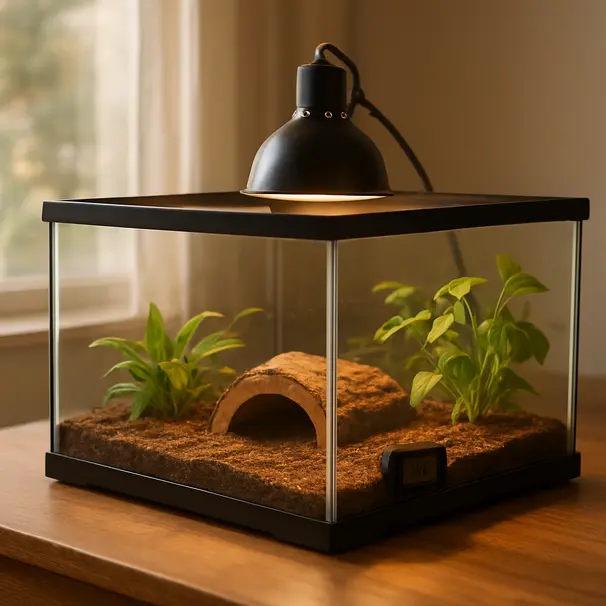
Welcome to reptile keeping, with a warm hello
Bringing a reptile into your home can feel like joining a slow, elegant club. These animals move at their own rhythm and reward patience with remarkable personalities. This guide is here to help new reptile owners and pet carers build a safe, comfortable life for their scaly companions. You’ll find practical steps, hands-on tips, and gentle reminders to consult a qualified vet for health questions.
Choosing your first reptile
Picking the right species is the foundation of long-term success. Think about space, daily commitment, budget, and how long the animal might live.
- Leopard geckos and corn snakes are often recommended for beginners, because they’re hardy and manageable.
- Bearded dragons are social and interactive, but need larger enclosures and more specific lighting.
- Turtles and tortoises need big habitats and special diets, and some require permits.
Spend time reading care sheets for any species you consider. Join local keeper groups to hear real experiences. If you adopt from a rescue, you’ll often get practical background that helps with transitions.
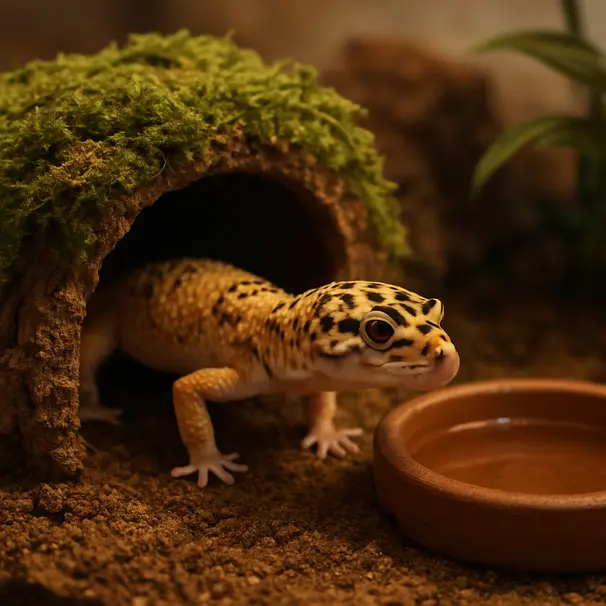
Setting up the habitat: the basics
A good habitat covers four big needs: space, temperature, light, and security.
Enclosure size and layout
Bigger is almost always better. Small tanks can stress animals and restrict natural behaviors. Think about vertical space for arboreal species and floor space for ground-dwellers. Furnish the enclosure with hiding spots, branches, rocks, and substrate that match the animal’s needs.
Temperature and gradients
Reptiles need a thermal gradient so they can self-regulate. Provide a warm basking area and a cooler end of the tank. Use thermostats and reliable thermometers to monitor day and night temperatures. Heat lamps, under-tank heaters, and ceramic heat emitters are common tools. Always consider safety to avoid burns and overheating.
Lighting and UVB
Many reptiles benefit from UVB lighting, which can help with calcium metabolism and natural behavior. The exact UVB strength and distance depend on species. Replace UVB bulbs according to manufacturer guidelines, because they lose effectiveness even if they still glow.
Substrate and humidity
Substrates range from paper towels and reptile carpet to coconut fiber and sand mixes. Choose one suited to your reptile’s species and humidity requirements. For humidity-sensitive species, add hides with moisture and monitor humidity levels daily.
Security and enrichment
Secure enclosure locks and sturdy lids prevent escapes. Enrichment can be simple: climbing branches, digging boxes for natural burrowing species, and varied hiding spots to encourage exploration.
Feeding and hydration: practical tips
Diet varies widely across reptiles, so follow species-specific guidance.
Common feeding categories
- Insectivores: crickets, roaches, mealworms. Gut-load insects with nutritious food and dust them with calcium occasionally.
- Omnivores: a mix of greens, veggies, and some insects or pellets.
- Carnivores: pre-killed rodents for snakes. Size matters; feed prey items about the same width as the thickest part of the snake’s body.
- Herbivores: varied leafy greens and vegetables, often with calcium supplementation.
Always offer clean water. Some reptiles prefer to drink from a bowl, others soak in a shallow dish. Changing water daily keeps it fresh and reduces risk of bacterial growth.
Consider feeding schedules that match natural rhythms. Juveniles usually eat more frequently. Adults might eat once a week or several times per week depending on species.
Handling and socialization
Reptiles handle stress differently than dogs or cats. With patience, many species become tolerant or even enjoy gentle interaction.
- Approach calmly and avoid sudden movements.
- Support the animal’s body fully, especially heavier species.
- Keep handling sessions short to start, and gradually increase time as the animal shows comfort.
- Watch body language: hissing, tail whipping, or frantic movement suggest stress.
Some species never enjoy handling. That’s okay. Respect their limits and focus on enrichment and trust-building in other ways.
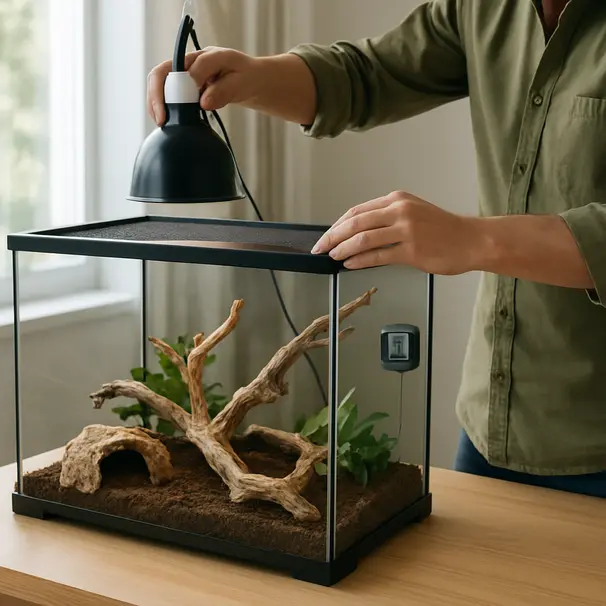
Cleaning and routine maintenance
A clean enclosure is healthier and less stressful for your reptile.
- Spot clean daily to remove feces and uneaten food.
- Replace water daily and scrub bowls weekly.
- Deep-clean the enclosure monthly or as needed. Remove the animal to a safe temporary home, replace substrate if necessary, disinfect hard surfaces with reptile-safe products, and rinse thoroughly.
- Keep a simple log of temperatures, humidity, feeding, and shedding to spot trends early.
Shedding and normal cycles
Shedding is a natural process. Provide humidity hides or damp towels for species that need help shedding. If pieces of old skin remain, especially around toes or eyes, consult a vet or experienced keeper for safe removal tips.
Recognizing common health signs and seeking care
Reptiles often hide illness, so small changes can be important.
Watch for:
- Persistent lethargy or hiding
- Loss of appetite lasting several feedings
- Swollen limbs or jaw
- Abnormal stool or discolored skin
- Difficulty breathing or wheezing sounds
These signs may indicate issues that a reptile-experienced veterinarian should evaluate. Consider regular wellness checks, especially for new animals or rescues. A vet can help with diagnostics, parasite checks, and tailored care advice.
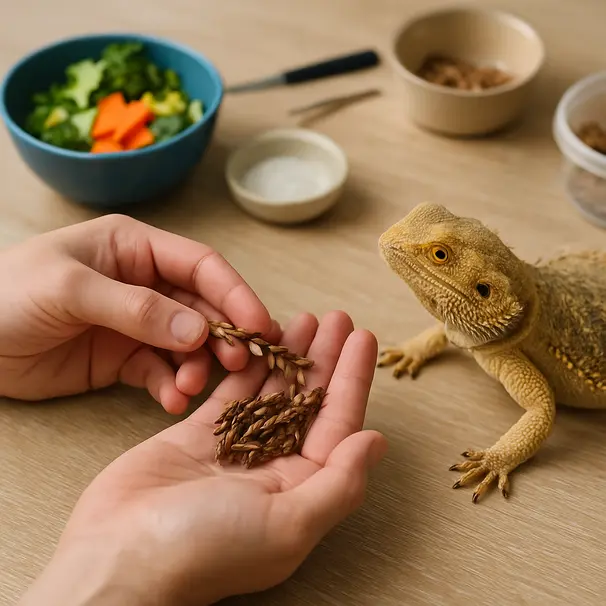
Enrichment and mental stimulation
Reptiles benefit from varied environments. Enrichment can reduce boredom and encourage natural behaviors.
- Change climbing structures periodically.
- Introduce safe foraging opportunities by hiding food in puzzles or under leaves.
- Offer seasonal changes in decor to mimic natural rhythms.
- For social species, supervised interactions can help, but only if the species is known to be tolerant.
Rotation of toys and hides keeps the enclosure interesting without causing stress from too-frequent changes.
Travel, boarding, and trusting carers
If you need to travel or cannot care for your reptile for a short time, plan ahead.
- Look for carers with reptile experience, steady routines, and a secure home setup.
- Provide a written care sheet with feeding schedules, temperature settings, preferred hides, and emergency contacts.
- If boarding, do a trial stay or meet-and-greet so your pet and the carer can get comfortable.
Floofy carers who list reptile experience may be a good match, but always verify references and ask about emergency plans and handling experience.

Building a basic reptile care kit
A simple kit can make daily care smoother.
- Reliable thermostat and thermometers
- UVB and heat lamps with secure fixtures
- Water and feeding bowls
- Species-appropriate substrate and cleaning supplies
- A hiding spot and climbing branches
- Digital scale for monitoring weight
- Contact details for a reptile-savvy vet
Final checklist before bringing your reptile home
- Research species needs thoroughly.
- Prepare and test the enclosure for at least a week.
- Gather feeding and maintenance supplies.
- Line up a vet and experienced carer contacts.
- Plan a quiet, gentle introduction to the new home.
Wrapping up with encouragement
Reptile keeping can be peaceful and deeply rewarding. The key is patient observation, consistent habitat care, and a little creativity with enrichment. If you run into questions or worry about health changes, reach out to a reptile veterinarian or an experienced carer. Take it slow, celebrate the small wins, and enjoy watching your reptile settle in and reveal its unique personality.
Happy keeping, from one reptile admirer to another.