

Welcome, reptile carers and curious pet owners
If you look after reptiles professionally or help friends and family with their scaly companions, this guide is for you. Reptiles may seem quiet compared with dogs or cats, but they still benefit from thoughtful enrichment. Small changes in the enclosure and daily routine can keep them engaged, reduce stress, and encourage species-typical behaviours.
This article walks through practical habitat toys, DIY enrichment projects, exercise ideas, and safety tips you can use right away. I’ll include simple step-by-step ideas you can adapt by species, and reminders about safety and health checks.
Why enrichment matters for reptiles
Reptile enrichment supports mental stimulation and natural behaviours like exploring, climbing, foraging, and thermoregulating. Enrichment can help reduce boredom, avoid repetitive pacing, and encourage healthy activity levels. It can also make handovers easier when carers take over, because a well-set-up environment helps animals feel secure.
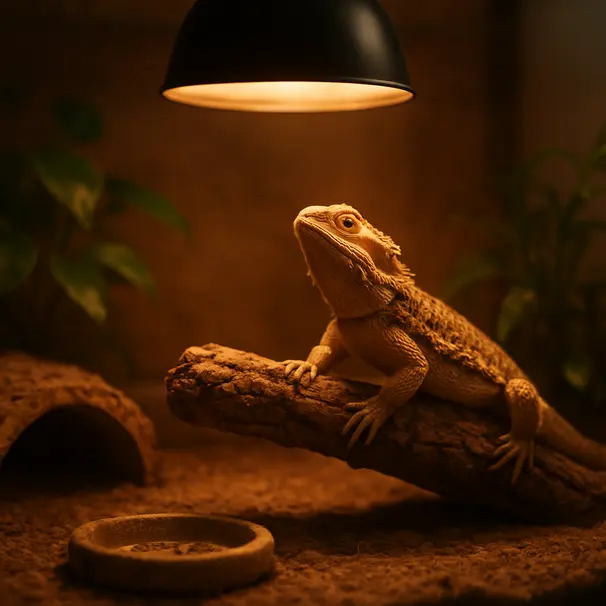
Keep in mind that every species is different. A bearded dragon thrives on climbing and basking opportunities, while a corn snake prefers tunnels and snug hides. Matching enrichment to natural history is the most important step.
Basic principles to guide enrichment choices
- Safety first: Use non-toxic materials, avoid small parts that can be swallowed, and remove anything that could trap a limb or tail.
- Species-specific: Think about the animal’s natural behaviours, diet, and activity cycle.
- Variety and rotation: Swap toys and structures every few days to keep things interesting.
- Predictability: Keep core elements consistent, like temperature gradients and hides. Add novelty around those anchors.
- Supervised play: Some activities are best done with you present, especially outdoor time or floor exploration.
Habitat toys and structures you can add
Here are safe, species-friendly habitat items that encourage natural behaviour.
Climbing structures
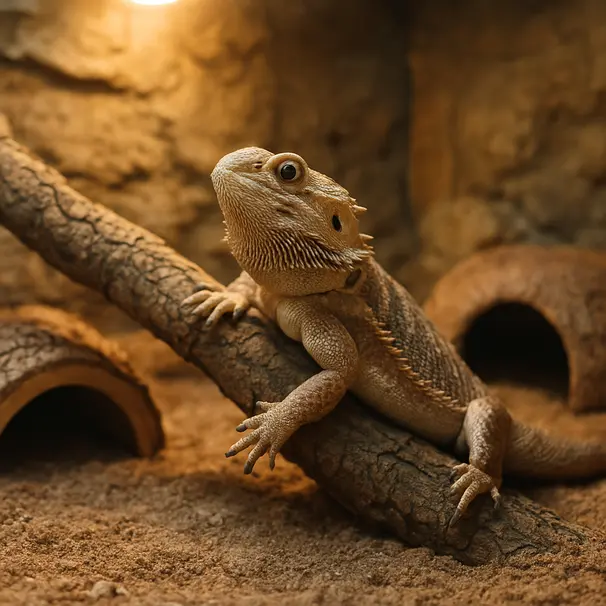
- Branches and sturdy vines, placed at angles. Reptiles that climb will love multiple levels.
- Rock ledges or cork bark panels mounted vertically. These allow basking and survey points.
- Floating branches or platforms for semi-aquatic species.
Use untreated, reptile-safe wood. Secure items so they don’t shift under the animal.
Hides and retreats
- Offer at least two hides, one on the warm side and one on the cool side.
- Try different textures: smooth ceramic caves, soft moss boxes, or snug cardboard tubes for snakes.
- Tunnel systems, made from cork or plastic hides, encourage secure route-following.
Foraging and feeding toys
- Food puzzles: hide mealworms or greens in a shallow box filled with substrate so lizards dig and search.
- Live plant pots: tuck feeder insects under leaf litter for turtles or monitor lizards to forage naturally.
- Floating feeding stations for aquatic turtles, encouraging gentle swimming.
Sensory enrichments
- Safe scents: a small dab of basil or coriander near food for species that flick their tongues.
- Different substrates: paper towel one week, eco-friendly bark the next, to vary texture.
- Gentle background sounds: natural ambient tracks at low volume may be soothing for some reptiles.
DIY enrichment ideas that are cheap and effective
You don’t need fancy gadgets. Many simple projects invite exploration and are easy for carers to rotate.
Cardboard hide maze for snakes and lizards
Materials: clean cardboard boxes, non-toxic glue or tape, scissors. Cut entrance holes and stack boxes to create tunnels and snug spaces. Place the maze in a section of the enclosure during supervised times or for short rotation periods. Cardboard is inexpensive, disposable, and a great temporary hide.
Foraging bottle feeder
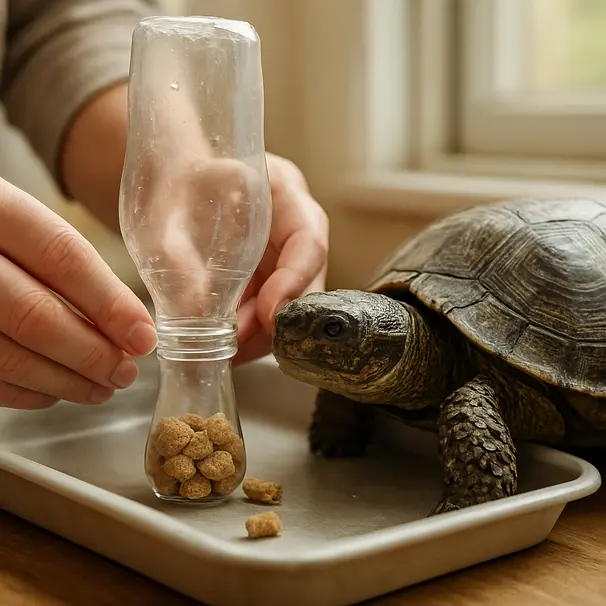
Materials: a clean plastic bottle, holes cut into the sides, dry substrate or crumpled paper. Place safe prey items or leaf bits inside and seal. Reptiles with tongue-flicking or digging behaviours will investigate and retrieve treats.
Branch and bask platform combo
Use a sturdy branch and a flat, non-slip platform. Secure them with reptile-safe silicone or clamps so the animal can climb, perch, and bask. Vary heights and light angles to encourage movement between microclimates.
Frozen food block for hot days
For animals that eat insects or fruit, freeze them in a shallow ice dish with a few safe leaves. Offer the ice block in a shallow tray outdoors on hot days. It gently cools and provides interesting textures. Use this sparingly and under supervision.
Exercise routines and supervised out-of-enclosure time
Gentle, supervised exercise can improve muscle tone and encourage normal postures. Always check the owner’s notes, species needs, and enclosure temperatures before any out-of-enclosure time.
Short supervised exploration sessions
- Prepare a safe, escape-proof area with a warm hide and surface that won’t hurt toes or bellies.
- Limit sessions to 10 to 30 minutes depending on the species and the animal’s temperament.
- Offer low-pressure stimuli like a shallow dish of water, a basking lamp at a safe distance, or a gentle climbable structure.
Targeted movement games
Use food motivation for short movement goals. For example, place insects or greens progressively farther apart along a branch to encourage climbing. For turtles, use food stations that require modest swimming or walking.
Gentle handling exercises
Many reptiles tolerate brief, calm handling that can help them accept carers. Work with the owner on a handling plan. Keep sessions short, support the body fully, and read the animal’s cues. If a reptile shows stress, stop and try again later.
Outdoor time and natural sunlight
When weather and safety allow, supervised outdoor time can be a wonderful enrichment. Natural sunlight offers UVB benefits that lamps may not fully replicate. Check for:
- Secure shade and wind protection.
- A controlled temperature window, avoid direct midday heat.
- Supervision to prevent escapes and predator risk.
Short sessions of 20 to 40 minutes can be refreshing. For snakes and secretive species, a quiet shaded area with natural leaf litter may encourage exploratory behaviours.
Enrichment schedules and rotation ideas
Create a simple plan you can follow while caring for animals. Consistency is comforting, and rotation prevents boredom.
Sample weekly rotation for an active lizard:
- Monday: New climbing branch in the enclosure.
- Tuesday: Foraging box with live or prepared prey.
- Wednesday: Changing substrate patch and scent enrichment.
- Thursday: Supervised 20-minute exploration session with short handling.
- Friday: Visual enrichment, rearrange hides.
- Weekend: Outdoor sun session if weather allows.
Keep a short log for each animal with notes on responses. Carers who share logs with owners create trust and continuity.
Monitoring, safety, and when to consult a vet
Watch for changes in appetite, stool, weight, or behaviour. Enrichment should add to wellbeing, not cause stress. If you notice repeated refusal to use new hides, skin changes, or longer-term hiding, consider pausing new items and suggest a vet check.
Always double-check that materials are non-toxic and free of small pieces that could be swallowed. Clean and replace foraging items regularly to avoid mold. For any signs of illness or injury, consult the owner and recommend a veterinarian experienced with reptiles.
Tips for pet carers: communication and documentation
- Ask owners about specific preferences and past responses to enrichment.
- Take photos and short notes after sessions, mentioning what worked and what didn’t.
- Share feeding times and temperatures to keep routines steady.
- Get clear instructions for handling, especially for species that can be stressed easily.
Good communication helps owners feel confident leaving their pet with you, and it helps the reptile adapt more smoothly.

Quick checklist before any enrichment session
- Temperature and humidity are correct for the species.
- Hides on both warm and cool sides remain available.
- No small, sharp, or toxic materials are present.
- New items are introduced gradually, supervised at first.
- Owner preferences,dietary notes, and medical history are confirmed.
Final thoughts and gentle reminders
Enrichment for reptiles should be thoughtful, gradual, and safe. Small changes add up. Even a new branch, a food puzzle, or a short outdoor session can create interest and comfort for your scaly charges. Keep records, communicate with owners, and observe the animal’s reactions. With patience and curiosity, you can build enriching, species-appropriate routines that make life better for the reptiles under your care.
If you ever have questions about health or dramatic behavioural changes, suggest a veterinary consultation. Reptile owners and carers working together give their pets the best chance of staying happy and well.
Happy caring, and enjoy finding little ways to surprise your scaly friends each day.