

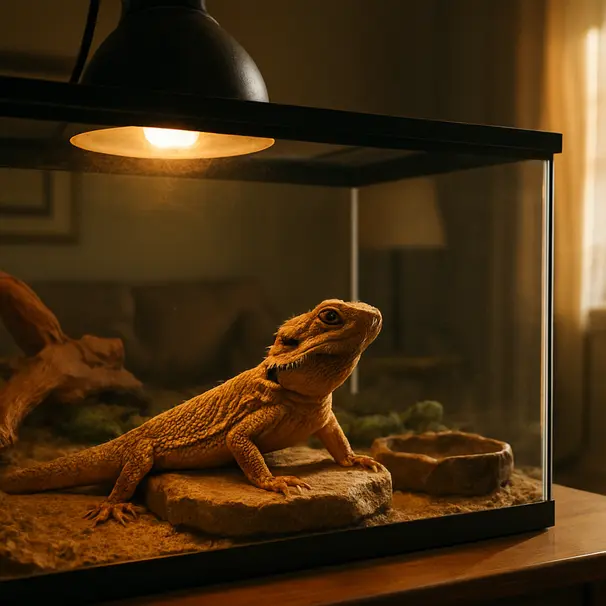
Welcome: cozy, safe homes for scaly friends
Creating a comfortable home for a reptile can be one of the most satisfying parts of being a pet owner or carer. Reptiles don’t need a lot of fuss, but they do need the right environment. A thoughtful habitat helps your reptile feel secure, stay healthy, and show more natural behaviours — which means a happier, more relaxed pet and fewer surprises for you.
This guide walks through the essentials: choosing the right enclosure, managing heat and light, picking substrates and hides, routine cleaning and safety tips for carers. Keep this as a checklist you can return to or share with colleagues and pet owners.
Choosing the right enclosure
Size and shape matter. Different species have different needs, so match the enclosure to your reptile’s typical adult size and activity level.
- Small, ground-dwelling reptiles (e.g., leopard geckos) do well in longer, lower tanks that allow horizontal movement.
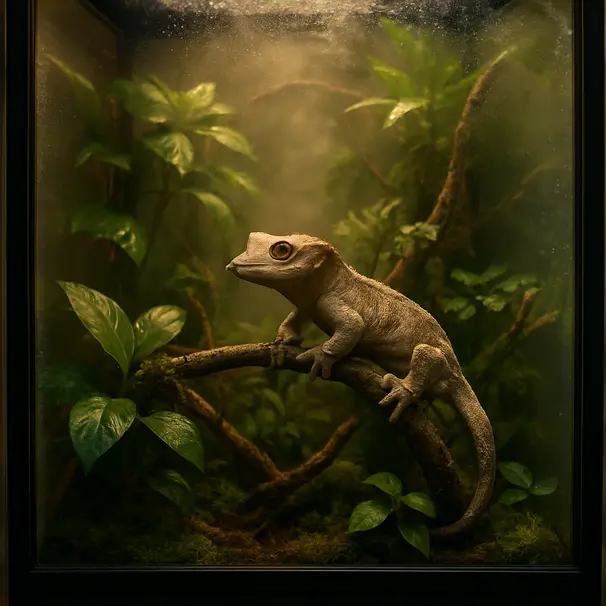
- Arboreal species (e.g., crested geckos) prefer taller enclosures with branches for climbing.
- Large snakes need secure, escape-proof enclosures with enough length to stretch and move.
Materials and construction
Glass terrariums are common because they’re easy to clean and show off the animal, but they can lose heat more quickly. PVC and wood vivaria offer better insulation. Whatever you choose, check:
- Ventilation: airflow helps prevent stagnant air and excess humidity. Use top and side vents where appropriate.
- Security: doors should latch or lock to prevent escapes. Many reptiles are surprisingly clever.
- Durability: consider chew-resistant materials for strong-jawed species.
Placement in the home
Location affects temperature and stress. Avoid placing habitats in direct drafts, next to heaters, or in direct sunlight that can overheat the enclosure. A quiet corner with stable ambient temperature is usually best. If you’re a pet carer looking after a reptile in someone else’s home, ask where the owner prefers the enclosure to live and why.
Quick owner and carer tip
Measure the planned space before buying an enclosure, and bring a tape measure when shopping. It’s easier to match furniture and room layout first.
Heating, lighting and humidity essentials
Reptiles are ectotherms, so their environment determines their body temperature. Creating reliable thermal and light gradients is one of the most important things you can do.
Basking and thermal gradients
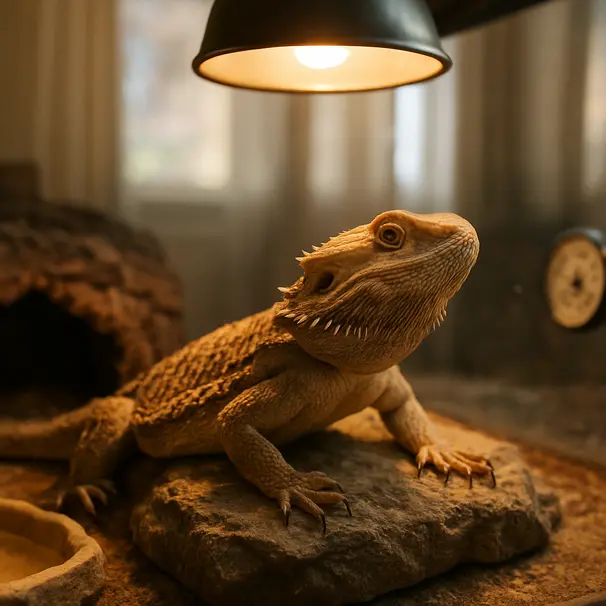
Provide a warm basking spot and a cooler area. This lets the reptile thermoregulate by moving between temperatures. Use ceramic heat emitters, basking lamps, or under-tank heaters as appropriate. Always monitor temperatures with reliable thermometers at each end of the enclosure.
UVB lighting
Many diurnal reptiles benefit from UVB lighting to help with calcium metabolism. Consider a quality UVB tube light positioned to cover the animal’s activity area. Replace bulbs on a schedule recommended by the manufacturer; UVB output declines with time even if the bulb still glows.
Humidity control
Humidity needs vary. Desert species prefer dry conditions with occasional misting, while tropical species need higher humidity and often hiding spots that hold moisture. Use hygrometers to track humidity levels and consider misting systems, foggers, or simple water bowls to maintain appropriate levels.
Monitoring and safety
- Use digital thermometers and hygrometers in multiple spots.
- Avoid heat sources that create burn risks; use guards and keep heat-emitting items out of reach.
- Consider thermostats that control heat sources so temperatures don’t spike.
Practical note for carers
Keep a small log of daytime and nighttime readings, especially on the first few days of care. This helps owners trust your setup and lets you spot issues early.
Substrates, hides and furnishings
The floor of the enclosure and the furniture inside it shape how your reptile interacts with its space. Aim for comfort, hygiene, and enrichment.
Choosing a substrate
Pick a substrate that suits species-specific needs and that you can clean easily. Popular choices include:
- Paper towel or reptile carpet: easy to clean, good for quarantine or young animals.
- Coconut fiber or cypress mulch: holds moisture for tropical species.
- Sand mixes: used carefully with desert species, but avoid loose sand for animals that may ingest it.
Avoid substrates that can cause impaction if swallowed, and consider disposable or easily cleaned options for caregivers who need quick turnover.
Hides and shelter
Every reptile benefits from hides. Provide at least two hiding spots: a warm hide near the basking area and a cooler hide in the opposite zone. Hides should be snug enough to feel secure but large enough for the reptile to turn around comfortably.
Water bowls and feeding areas
- Use heavy, stable bowls that won’t tip. Some species soak in water, others simply drink.
- Keep feeding areas separate if possible to limit substrate contamination.
Climbing structures and enrichment
Branches, rocks, cork, and artificial plants give reptiles places to explore and exercise. Rotate or rearrange furnishings occasionally to provide mental stimulation. When adding any object, make sure it’s secure and won’t collapse.
Cleaning-friendly layout
Design the habitat so you can access all corners for spot cleaning. Removable trays and accessible lids make routine maintenance easier for carers and owners alike.
Cleaning, maintenance and safety for carers
A clean habitat reduces stress and disease risk. Create a predictable maintenance routine and communicate it clearly to the owner.
Daily tasks
- Spot-clean feces and uneaten food.
- Check water bowls and replenish if dirty.
- Verify thermostats and timers are working.
Weekly or biweekly tasks
- Replace or top up substrate as needed.
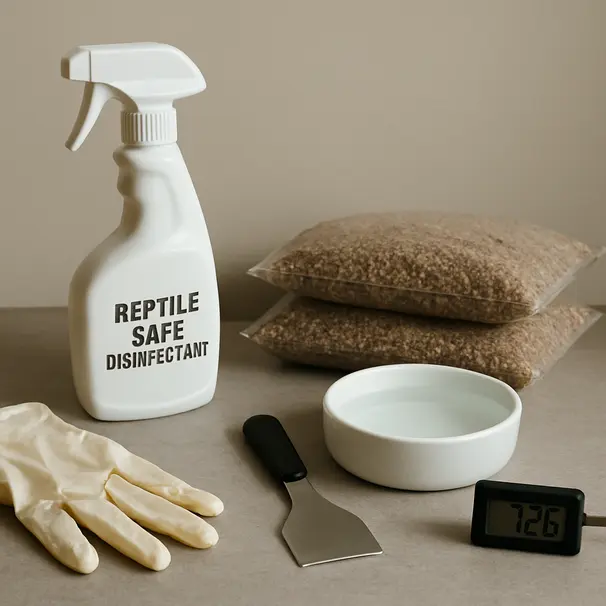
- Wipe down non-porous surfaces with reptile-safe disinfectant.
- Clean and sanitize feeding dishes and decor on a rotating schedule.
Deep cleaning
Perform a full clean and substrate replacement periodically. Move the reptile to a secure temporary holding container that’s warm and shaded during cleaning. Disinfecting should be thorough but use products safe for reptiles, and rinse well.
Handling cleaning chemicals
Avoid strong-smelling cleaners. Even animal-safe disinfectants may leave residues that stress reptiles. Wipe surfaces with clean water after using a disinfectant and let them air thoroughly before returning the animal to the enclosure.
Safety checks
- Inspect heat lamps and wiring for wear.
- Check for loose screws or potential escape points.
- Ensure thermostat sensors are positioned correctly.
When to consult a vet
If you notice weight loss, lethargy, abnormal stool, frequent soaking, or changes in shedding patterns, consider contacting a reptile-experienced vet. These signs can indicate environmental issues or health concerns and a vet can provide targeted guidance.

Carer etiquette and communication
Leave clear notes for owners about what you did and any odd observations. A quick log entry that lists temperatures, feeding, and any behaviour changes is invaluable. Photos can help owners see what you mean.
Travel and short-term caregiving tips
Transport and temporary housing require special care. For short trips, use a secure carrier with proper insulation and ventilation. Keep carriers shaded and stable during travel.
Feeding and fasting
Many reptiles fast before travel and during short-term care, but follow the owner’s routine. If you’re unsure, ask. Avoid offering new foods while the reptile is stressed.
Emergency preparedness
Know the nearest reptile-friendly vet and have the owner’s contact details handy. Keep a basic kit with gloves, towels, a spare water bowl, and a small thermometer.
Final checklist and quick reference
Before leaving your reptile in someone else’s hands, or before starting a care shift, confirm:
- Enclosure size and escape-proof status
- Basking and ambient temperatures, plus UVB schedule
- Humidity targets and how they are maintained
- Feeding schedule and food location
- Cleaning routine and emergency contacts
A printed card or digital note with these items makes transitions smoother and keeps everyone calm.
Parting thoughts
Reptiles reward steady, thoughtful care. They may not wag tails, but you’ll see quieter signs of comfort: regular eating, smooth sheds, and relaxed basking. Pet carers and owners who prioritize a predictable, well-monitored habitat often enjoy the most confident animals. Keep learning, ask questions, and consider each habitat upgrade a way to show you truly care for your scaly companion.