


A friendly note before we begin
Keeping reptiles healthy feels a little different from caring for cats or dogs. They don’t wag, purr, or ask for treats in quite the same way, but they do have clear needs and subtle signals. This guide is for pet owners and pet carers who want practical, friendly advice on everyday care, spotting early warning signs, and supporting a vet relationship that keeps scaly friends thriving.
Start with the right home: enclosure basics
A well-set-up enclosure is the foundation of reptile health. Think of it as building a tiny climate that suits your species.
- Size and layout: Give animals room to move and express normal behaviours. A bearded dragon, for example, needs a roomy horizontal space to bask and explore, while arboreal geckos benefit from taller enclosures with climbing structures.
- Hides and microclimates: Provide at least two hides, one on the warm side and one on the cool side. Reptiles regulate temperature by moving between these spots.
- Substrate choices: Match substrate to species. Paper towels or reptile carpet can work well for quarantine. Loose substrates like coconut fibre or sand may suit certain species, but consider ingestion risk. Keep substrate clean, and replace it regularly.
- Furnishings: Branches, rocks, and plants help with exercise and security. Secure all climbing items to prevent tumbles.
Keep a simple checklist for carers to follow: enclosure temperature, humidity, lighting schedule, water availability, and daily cleanliness. That routine helps avoid small problems before they grow.

Heating and lighting: the invisible life support
Temperature and light are the most critical parts of reptile care. They affect digestion, immunity, and activity.
- Temperature gradients: Create a warm basking area and a cooler retreat. Use reliable thermometers at both spots. Ceramic heaters, heat mats, and basking bulbs each have pros and cons depending on species.
- UVB light: Many diurnal reptiles need UVB for vitamin D metabolism. Quality UVB bulbs should be replaced according to manufacturer recommendations because output declines over time. Place the bulb at an appropriate distance so the reptile can bask safely.
- Night temperatures: Some species benefit from cooler nights. Check species-specific guidelines and aim for consistent drops overnight if the species expects them.
Always consider a thermostat to prevent overheating. Thermostats can help carers avoid accidentally creating dangerously hot spots.
Humidity and hydration: balance matters
Proper humidity helps with shedding, respiratory health, and skin condition.
- Measure humidity with hygrometers placed at representative locations. Track daily highs and lows.
- Provide humidity hides or mist enclosures for species that need elevated moisture. For arid species, occasional shallow water bowls and controlled misting may suffice.
- Fresh water: Offer clean, shallow water daily. Some reptiles drink from droplets, others from bowls. Replace water promptly and wash bowls to prevent algae and bacteria buildup.
Consider soaking protocols for species that benefit from it, but consult a vet or experienced carer if you aren’t sure. Soaks can help with hydration and shedding, but they should be done thoughtfully.
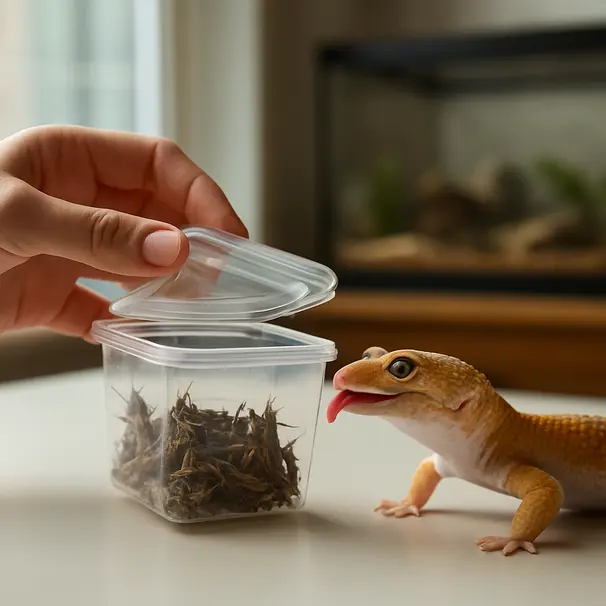
Feeding and nutrition: species-specific and practical
Nutrition varies widely between reptiles. A few practical habits can reduce problems.
- Know your species: Is your reptile insectivorous, herbivorous, omnivorous, or carnivorous? Feeding the wrong diet can cause long-term health issues.
- Food quality: Offer appropriately sized prey items and varied plant matter for herbivores. For insect feeders, gut-loading insects with nutrient-rich foods helps transfer vitamins to your pet.
- Supplements: Calcium and multivitamin supplements may help prevent deficiencies. Use supplements thoughtfully and avoid over-supplementing. Keep a feeding log so carers know when supplements were administered.
- Feeding frequency: Juveniles often need more frequent meals than adults. Adjust portion sizes rather than feeding more frequently if you’re unsure.
Avoid sudden diet changes. If you need to switch foods, transition gradually to monitor acceptance and digestion.
Handling, stress reduction, and enrichment
Reptiles have different thresholds for handling. Respect those limits and use handling sessions to build trust slowly.
- Short, calm interactions: Start with brief sessions, especially for shy or newly acquired reptiles. Support the body fully and move slowly.
- Signs of stress: Hissing, gaping, frantic movements, or prolonged hiding may indicate stress. If a reptile seems stressed, reduce handling and review enclosure conditions.
- Enrichment: Offer environmental complexity like branches, hide boxes, and safe foraging opportunities. Even simple changes, such as rearranging furniture or adding a new hide, can stimulate natural behaviours.
When pet carers are involved, share a handling plan: how long to handle, preferred techniques, and which behaviours mean “give me space.” Clear notes prevent accidental stress during sits.
Routine health checks and simple daily observations
You don’t need to be a vet to notice changes. A few quick checks every day can spot problems early.
- Appetite and weight: Track appetite and record weights regularly. Sudden appetite loss, slow weight loss, or bloating may be signs to mention to a vet.
- Shedding: Check for incomplete sheds, especially around toes and tail tips. Retained skin can cause issues over time.
- Eyes, nose, and mouth: Clear eyes and a clean mouth are good signs. Excessive discharge, swollen eyes, or stuck shed near the mouth can be concerning.
- Stool: Note frequency, consistency, and colour. Parasites, diet changes, or stress can affect droppings.
A simple daily checklist card taped to the enclosure can help carers quickly confirm everything looks normal.
Common warning signs to watch for
Some signs may mean you should contact a vet or experienced reptile care professional.
- Lack of appetite for several days, especially with lethargy
- Difficulty breathing, wheezing, or unusual open-mouth breathing
- Swelling, lumps, or unexplained wounds
- Repeated regurgitation or severe diarrhea
- Problems with shedding that persist despite proper humidity
Use cautious language when communicating concerns. Say a pet “may be unwell” or “could benefit from a vet check.” Encourage a veterinarian experienced with reptiles to evaluate any worrying signs.
Parasites, quarantine, and hygiene
Parasites are common in reptiles, and good hygiene helps protect pets and people.
- Quarantine new arrivals for at least 30 days. Monitor weight, appetite, and droppings; consider fecal testing by a vet.
- Cleaning routines: Spot-clean daily and do a full enclosure clean regularly using reptile-safe disinfectants. Remove organic material and replace soiled substrate.
- Hand hygiene: Wash hands before and after handling reptiles, their food, or their habitat. Zoonotic risks are low with good hygiene, but it’s wise to be careful around young children, elderly family members, or immunocompromised people.
Carers should receive simple hygiene instructions before handling, including handwashing and how to manage feeding safely.
First aid basics and supplies to consider
A small kit can be useful for minor issues and for safely transporting pets.
- Kit ideas: clean towels, a small container for temporary transport, saline solution for gentle eye rinses, extra water bowls, and a digital thermometer.
- Transport planning: Have a secure carrier for trips to the vet. Line it with a towel and keep it stable in the car to avoid overheating or chilling.
For anything beyond basic first aid, encourage contacting a reptile-savvy veterinarian promptly.
Working with vets and professional carers
Good collaboration between owners, carers, and vets helps reptiles live long, healthy lives.
- Choose a reptile-experienced vet: Ask for references, read reviews, and confirm the clinic treats reptiles regularly.
- Keep records: Maintain a simple health file with weight logs, feeding notes, medication dates, and any vet visits. Share this file with carers so everyone follows the same plan.
- Clear handover notes: Before a carer starts, give a written plan: temperatures, feeding schedule, favourite hides, handling tips, and emergency contacts. Add a brief personality note—does the reptile tolerate hands, or prefer minimal contact?
A good carer will appreciate the structure and will be more confident delivering consistent care.

Travel, boarding, and temporary care tips
Reptiles may travel for vet visits or stays with carers. Preparation makes these transitions less risky.
- Transport safety: Use a secure, ventilated container with soft bedding and heat packs or cool packs if needed. Avoid extreme temperatures in the vehicle.
- Boarding checklist: For short stays, provide clear feeding instructions, heating and lighting schedules, a familiar hide, and your vet’s contact details.
- Emergency plans: Leave written permission for the carer to arrange veterinary care if needed. This reduces delays during an urgent situation.
Final checklist for owners and carers
A concise list you can print and share.
- Species-specific care plan and enclosure diagram
- Temperature and humidity targets with instrument locations
- Feeding schedule and supplement notes
- Handling preferences and stress signals
- Daily observation checklist: appetite, stool, activity
- Emergency contacts and preferred vet
- Transport carrier and first aid supplies
Wrap-up and encouragement
Reptiles reward consistent care and a calm environment. Small habits—checking temperatures, keeping a feeding log, and communicating clearly with carers—can make a big difference. If you notice anything unusual, consider contacting a reptile-savvy vet. With good routines and a caring team, your scaly companion can stay happy and healthy for years.
If you have specific species questions or want a printable care sheet for a sitter, reach out to a trusted vet or an experienced reptile carer in your community. They can help tailor these essentials to your animal’s unique needs.