

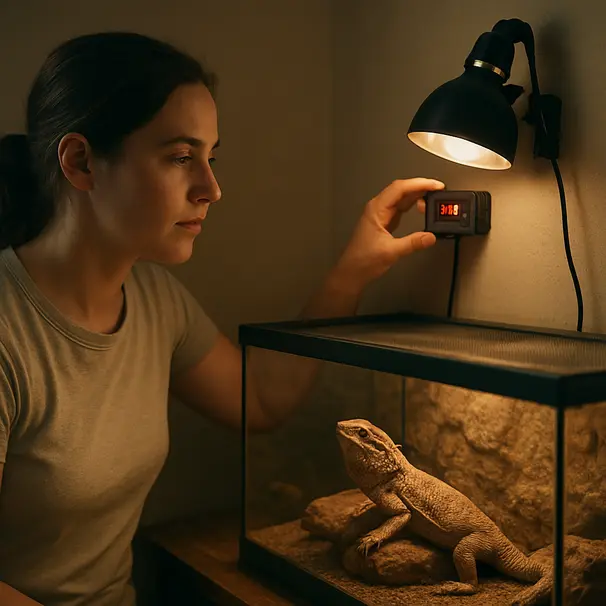
Reptile temperature and lighting guide for pet carers
Looking after a reptile as a carer is a lovely responsibility. You get to help keep a shy gecko, a curious bearded dragon, or a sleepy corn snake safe and comfortable while their owner is away. One of the most important parts of that job is understanding temperature and lighting. These elements shape behaviour, appetite, digestion and daily rhythms, so small adjustments can make a big difference.
This guide walks you through the essentials in a warm, practical way. I’ll explain thermal gradients, UVB lighting, safe heat sources, monitoring tools, simple routines, and species-specific pointers you can use while caring for someone else’s pet. Keep a checklist handy and always encourage owners to leave their usual routines and equipment information.
Why temperature and lighting matter
Reptiles are ectotherms. That means they rely on external heat to regulate body temperature. Light also provides cues for activity, feeding and hormone cycles. Together, temperature and lighting help reptiles digest food, maintain metabolic functions, and feel secure in their environment.
As a carer, your job is to maintain the setup the owner prefers, check equipment regularly, and look out for subtle changes in behaviour. If anything seems off, note what you observed and contact the owner. If you suspect a health issue, recommend a vet visit. Small, steady care is usually what reptiles need most.
Basics of thermoregulation
- Basking and cooling: Reptiles move between warmer and cooler areas to manage their temperature.
- Thermal gradient: A range of temperatures across the enclosure gives animals choice and comfort.
- Night temperatures: Many species tolerate cooler nights, but extremes should be avoided.
Create a gradient rather than a single temperature. This helps animals self-regulate and reduces stress.
Creating a safe thermal gradient
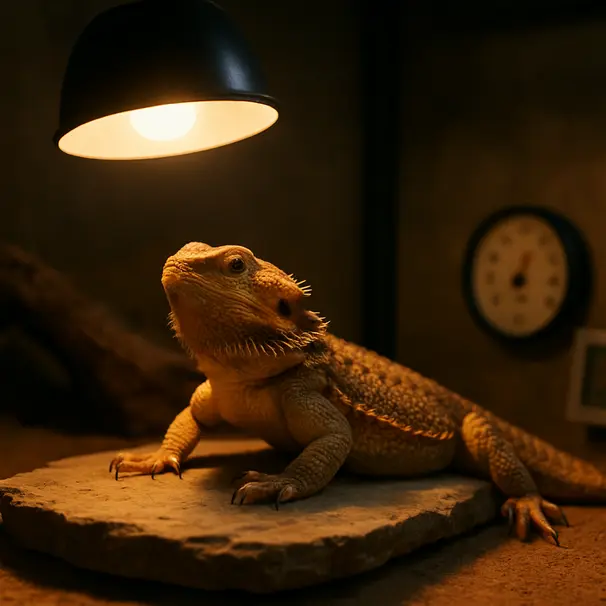
- Identify the basking zone: This is the warmest spot, usually directly under a basking lamp or ceramic heater. Place a flat rock or hide here so the animal can comfortably bask.
- Measure temperatures: Use digital thermometers or infrared guns. Put one thermometer at the basking spot and another at the cool end.
- Aim for a gradual change: Temperatures should step down across the enclosure, not drop suddenly.
Practical tip: Keep a small card near the enclosure with the owner’s preferred basking and cool-side temperatures and where they place hides. If the owner hasn’t left temps, ask them for the species’ typical ranges.
UVB lighting: what it does and how to use it
UVB light helps many reptiles synthesise vitamin D3, which helps them manage calcium. For many pet reptiles, appropriate UVB can help with appetite, activity and shell or bone health. Consider UVB part of the environment, not just an optional extra.
Types of UVB sources:
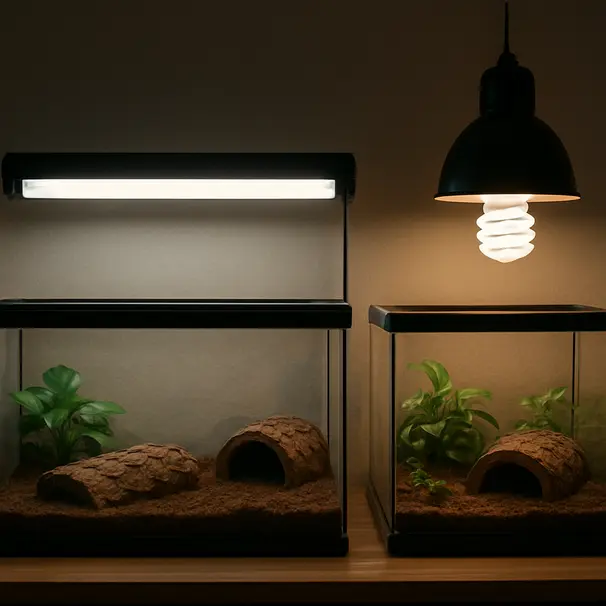
- Linear fluorescent tubes: Good coverage and even distribution. Best mounted across the top of the enclosure.
- Compact fluorescent bulbs: Small footprint, but the UVB intensity falls off quickly with distance.
- Ceramic metal halide: Provide strong light and heat, useful for larger enclosures, but can be intense.
Placement and timing:
- Distance matters: Follow the bulb manufacturer’s recommendations for distance between lamp and basking spot. Too close can be dangerous.
- Replace bulbs regularly: UVB output declines over time even if the bulb still glows. Consider replacement dates in the owner’s care notes.
- Day length: Most reptiles benefit from a consistent light-dark cycle. Aim for roughly 10–12 hours of light for many species, adjusting seasonally if the owner does.
Safety reminder: Use fixtures, guards and proper fittings. Avoid placing UVB bulbs behind glass or thick plastic, which can block UVB.
Choosing heat sources and safety first
There are several common heat sources. Each has pros and cons.
- Heat mats: Sit under part of the enclosure, offering gentle heat. Best used with a thermostat to prevent overheating.
- Basking bulbs: Provide bright heat for a focal basking area. Use with a dome or guard to prevent contact burns.
- Ceramic heat emitters: Provide heat without light, useful for keeping night temperatures up.
Essential safety steps:
- Use thermostats or controllers: They help keep temperatures steady and prevent burns or overheating. Consider a thermostat for every heat device.
- Monitor with independent thermometers: Never rely solely on a single sensor. Place thermometers at both the basking site and the cool end.
- Secure cables and fixtures: Reptiles and curious carers can accidentally dislodge or chew cords. Use cable clips and protectors.
Practical tip: If a device fails or an owner doesn’t leave back-up equipment, contact them immediately. Don’t improvise with unsuitable heating methods.
Monitoring and maintenance routines
Daily checks help you catch issues early and keep the routine consistent.
Daily tasks:
- Check temperatures in basking and cool zones, record them on the care sheet.
- Observe behaviour: Is the reptile active in its usual times? Is it basking or hiding more than normal?
- Inspect lights and heat sources for damage, loose fittings or flickering.
- Top up water and note humidity if it’s part of the species’ needs.
Weekly tasks:
- Test and replace batteries in remote thermometers if needed.
- Clean surfaces and replace substrates as instructed.
- Replace UVB bulbs according to their lifespan, usually every 6–12 months depending on the type.
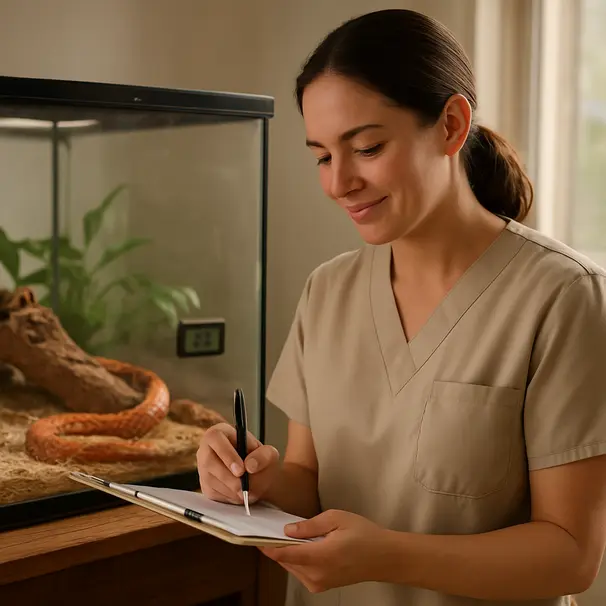
Record-keeping: Keep a simple log with date, temps, what you observed, and any actions taken. When carers rotate, this log becomes invaluable.
Humidity, substrate and the interplay with temperature
Temperature and humidity often interact. For instance, higher humidity can alter heating behaviour, and damp substrate can make thermostats read differently.
- Choose substrate that matches species needs and doesn’t trap excessive heat.
- Place temperature sensors on or above the substrate as appropriate.
- If the species needs seasonal changes in humidity, follow the owner’s notes. Mist schedules, soak times, and hiding places can be part of the routine.
Practical tip: If you’re unsure whether humidity is correct, ask the owner for their usual method or consult species care guides. When in doubt, don’t make drastic changes.
Quick species-focused pointers (common pets)
These are friendly reminders, not medical instructions. Always refer to the owner’s notes and the species’ care sheet.
Bearded dragon
- Basking zone: often warm, around the mid-90s°F (around 32–35°C).
- Cool side: lower 70s–80s°F (about 22–27°C).
- UVB: usually needed, with good daytime light.
Leopard gecko
- Prefer cooler overall temps than many diurnal species.
- Basking spots are warm but compact; they often need warm hides on one side and cooler hides elsewhere.
- UVB is sometimes recommended in low levels; follow owner’s notes.
Corn snake
- Gradient with a warm side and cool side helps digestion and shedding.
- Night temperatures can drop moderately, but not to extremes.
- UVB is not always required, but consistent heat and hiding places are essential.
Ball python
- Often shy and need secure hides in both warm and cool zones.
- Basking areas should be warm but not excessively bright; many prefer subdued lighting with a clear thermal gradient.
- Humidity is important during shedding, so balance heat and moisture.
These ranges can vary by individual and geography. If an owner leaves specific numbers, use those as your primary guide.
Troubleshooting common issues
Refusal to bask
- Check the basking temperature and bulb placement. The animal may not feel warm enough or may be stressed by too-bright light.
- Look for recent changes — different substrate, new furniture, or drafts.
Temperature swings or equipment failure
- If a thermostat or bulb fails, contact the owner. Have a backup plan and never use makeshift heaters.
- Move the reptile to a temporary, safe enclosure if the primary setup becomes unsafe and the owner approves.
Signs of overheating
- Rapid movement away from the heat source, persistent hiding on the cool side, or unusual lethargy can all be signs of stress.
- If you suspect overheating, reduce the heat source and inform the owner. Encourage a vet consultation if they notice worrying signs.
Skin and shedding problems
- Incorrect humidity or uneven heating can affect sheds. Offer a moist hide if the owner uses one.
- If shedding is stuck or accompanied by other symptoms, advise the owner and suggest veterinary advice.
Communication and handover checklist for carers
Before you start caring for a reptile, make sure the owner leaves clear information:
- Species, approximate age and any health concerns.
- Preferred temperature ranges for basking and cool side.
- Type and placement of UVB and heat sources, plus bulb replacement dates.
- Daily feeding schedule, brand and amounts.
- Humidity targets and any soaking or misting routines.
- Emergency contact details and preferred vet.
When you hand over after care:
- Leave the log of temperatures, feedings and observations.
- Note any changes you made and why.
- Mention anything you saw that looked unusual.
A calm, clear handover builds trust and helps owners feel confident leaving their pets in your care.
Final tips for being a confident pet carer
- Prepare: Read the owner’s notes and the species care sheet before the first visit.
- Check daily: A five-minute check each day keeps surprises minimal.
- Keep a small kit: spare bulbs, a portable thermometer, batteries and a backup heat source if the owner approves.
- Ask questions: If something is unclear, ask the owner or suggest a vet consultation for anything health-related.
Reptiles reward steady, predictable care. Your attention to temperature and lighting will help them feel secure and behave normally while their owner is away. Be the calm, observant presence they need.
Thank you for being a thoughtful carer. With the right routine and a little attention to heat and light, you’ll help scaly friends stay comfortable and flourish.