

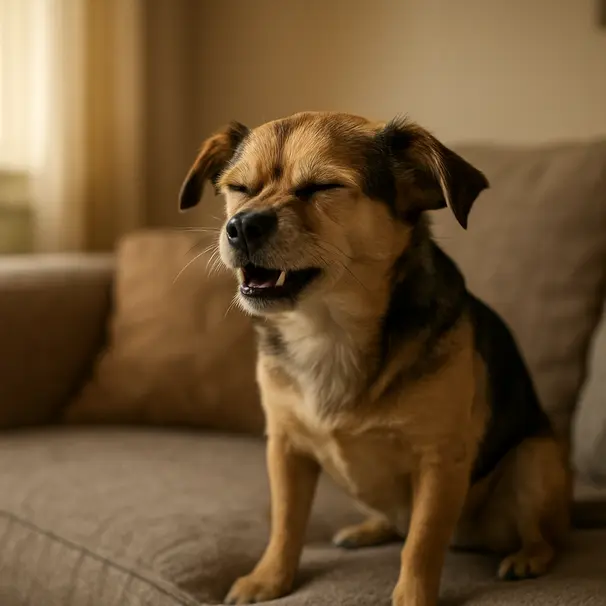
What is reverse sneezing? A simple explanation
If you’ve ever heard a dog make a sudden, rapid snorting sound and watched them stand rigid while sucking in air, you’ve probably witnessed reverse sneezing. It can sound alarming, especially the first time, but it’s simply a short episode in which a dog rapidly inhales through the nose. The sound is distinctive: a snorting, honking, or gagging noise that may repeat for a few seconds or up to a minute.
Reverse sneezing isn’t the same as regular sneezing. With normal sneezes, dogs forcefully expel air through the nose. With reverse sneezing, air is pulled in quickly and repeatedly. Many dogs will look a little startled or pause their activity, then go back to normal within moments.
Why does reverse sneezing happen?
There isn’t one single cause, and often an episode has a clear trigger you can spot. Common triggers include:
- Irritation from dust, pollen, or strong smells
- Sudden excitement or rapid exercise
- Pulling on a collar or sudden neck movement
- Allergies or nasal congestion
- Environmental irritants like smoke or perfume
- Post-nasal drip or minor throat irritation
Some dogs may be more prone to reverse sneezing. Small breeds and brachycephalic (short-nosed) breeds sometimes have anatomical features that make these events more frequent. Dogs with chronic upper airway sensitivity or allergies may also have repeated episodes. While this is often harmless, persistent or severe signs should prompt a conversation with your vet.
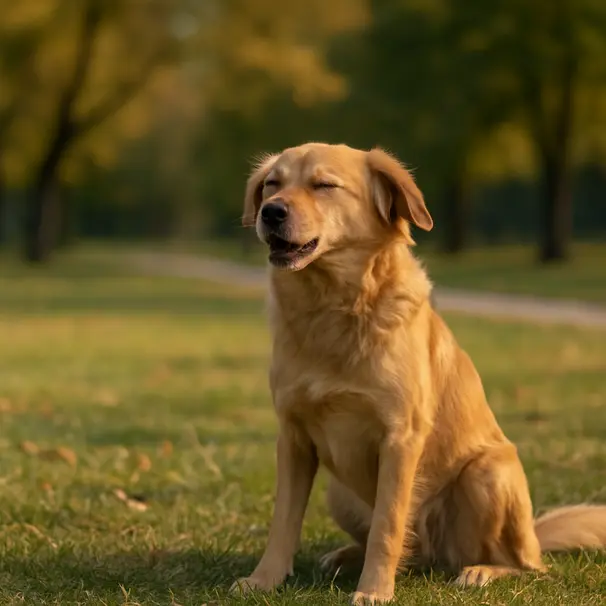
What does reverse sneezing look and sound like?
Reverse sneezing has a few telltale signs that help you tell it apart from coughing or choking:
- Sudden, rapid inhalation through the nose, producing a snorting or honking sound
- Standing still with head extended, or neck outstretched
- Episodes lasting a few seconds to a minute, often stopping as suddenly as they began
- The dog usually stays bright and responsive; there’s typically no drooling or pawing at the mouth
By contrast, choking or coughing tends to involve raspy exhalations, pawing at the mouth, gagging, or distress. If your dog seems to be struggling to breathe, turning blue, or becoming weak, consider that an emergency and seek veterinary care right away.
What to do when your dog has a reverse sneeze
The most important thing is to stay calm. Dogs pick up on our stress, and panicking can make an episode last longer. Try these gentle, practical steps that many pet owners and carers find helpful:
- Keep your voice low and your movements slow, so you don’t startle the dog further.
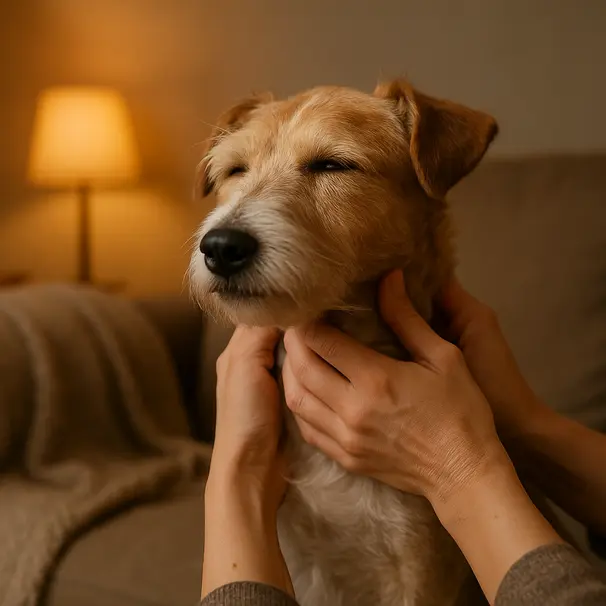
- Gently stroke or massage the dog’s throat; a soft rub can help relax the area and stop the spasm.
- Briefly cover the dog’s nostrils for a second or two with your hand. This encourages them to swallow, which can interrupt the spasm. Don’t squeeze—just a light, brief cover.
- Offer a small sip of water once the episode eases. Drinking can soothe the throat and clear minor irritants.
- Remove obvious triggers, like dusty bedding, smoke, or strong perfumes.
Avoid putting anything down your dog’s throat, and don’t force their mouth open. Most episodes will end on their own or with the gentle measures above. If the episode resolves and your dog resumes normal behavior—eating, playing, and wagging—there’s often nothing more to do than note what preceded the episode and try to reduce future triggers.
When should you contact a vet?
Reverse sneezing is usually harmless, but there are situations where you should consider contacting your veterinarian. You may want to seek advice if you notice any of the following:
- Episodes that are very frequent or last for several minutes
- Any sign of difficulty breathing, blue-tinged gums, or collapse
- Blood or unusual discharge from the nose
- Coughing that sounds different from the reverse sneezing, or persistent coughing
- A change in appetite, energy, or behavior following episodes
- If your dog is a puppy, very old, or has an existing respiratory condition
Your vet may suggest a physical exam, and sometimes tests like nasal swabs, allergy testing, or imaging if they suspect an underlying issue. Use wording like “consider” when deciding to seek help, and remember a vet can help rule out more serious causes and recommend management strategies.
Long-term management and prevention
You may not be able to stop every episode, but a few practical changes can reduce how often reverse sneezing happens and make life calmer for both of you:
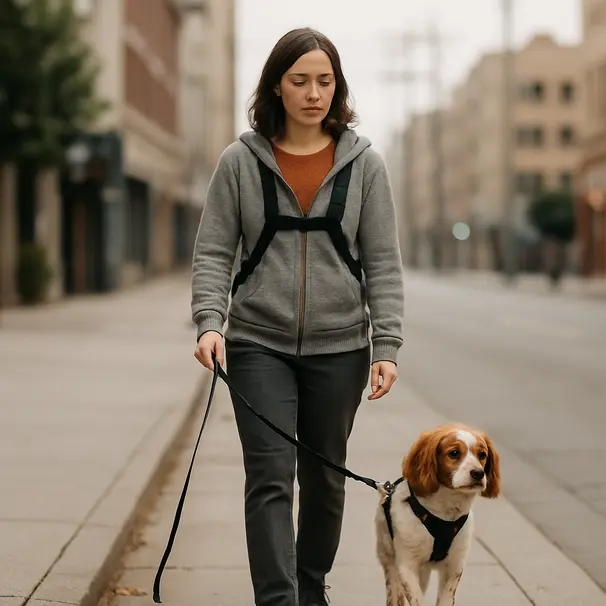
- Switch from a collar to a harness for walks, especially if your dog pulls, to avoid neck pressure.
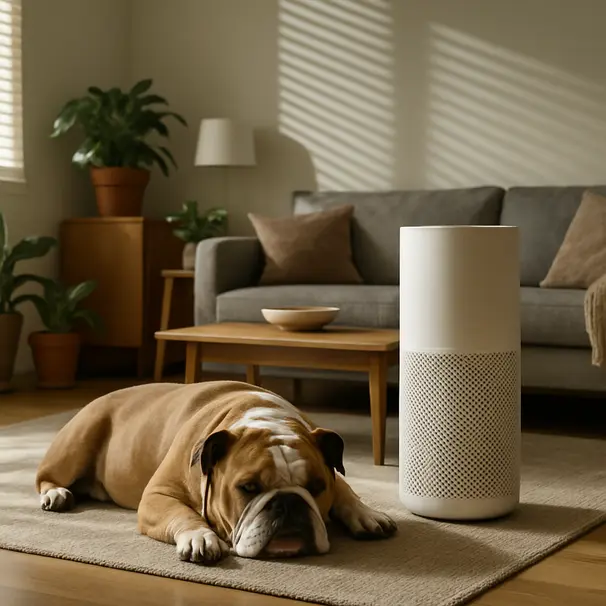
- Keep the air as dust-free as possible. Regular grooming, vacuuming, and using an air purifier can help.
- Minimize exposure to known irritants like cigarette smoke, strong household cleaners, or heavy perfumes.
- Manage allergies with your vet’s guidance; seasonal allergies can be a major factor for some dogs.
- Maintain a healthy weight. Extra weight can worsen breathing in short-nosed breeds.
- Calm transitions between play and rest. If excitement reliably triggers episodes, slow down after high-energy time.
Keeping a simple log of episodes—what happened before, how long it lasted, and any accompanying signs—can be invaluable if you need to consult your vet. It helps identify patterns and assess any changes over time.
Tips for pet carers and sitters
As a pet carer, you may witness reverse sneezing during a booking. Your calm, confident response can make a huge difference. Here are practical tips to keep your approach reassuring and effective:
- Stay calm and speak in a soothing tone. Dogs respond to energy as much as to words.
- Use gentle throat rubs and brief nostril covers if you feel confident doing so; otherwise, keep the dog quiet and comfortable.
- Remove obvious triggers from the environment, like dusty blankets or strong fragrances.
- Note the timing and context for the owner: what led up to the episode, how long it lasted, and what helped.
- If an episode doesn’t improve or you see signs of distress, contact the owner and recommend veterinary advice.
- Familiarize yourself with each dog’s normal behavior on their profile. Some dogs are known to reverse sneeze occasionally, and owners will appreciate a carer who understands and reports accurately.
Good communication builds trust. A short, clear message to the owner describing the episode, and actions you took, will often be enough. If you’re using a platform like Floofy, logging the incident in the booking notes helps owners keep track over time.
Final thoughts: stay observant and be gentle
Reverse sneezing can be dramatic to watch, but most episodes are short and not dangerous. Your calm presence, a gentle throat rub, and removing triggers can often end an episode quickly. Keep a note of when and how often it happens, and consider a vet visit if episodes change in frequency, intensity, or are accompanied by other concerning signs.
If you’re a pet owner, make a simple plan and share it with any carers so everyone responds consistently. If you’re a carer, reassure owners with clear notes and a calm approach. With a little knowledge and a gentle touch, reverse sneezing becomes one of those odd, manageable quirks of dog life.
If you’re ever unsure, it’s fine to consider contacting your veterinarian. They can help rule out other causes and give you tailored advice for your dog’s needs. And when you want trusted help, connecting with experienced, caring sitters and walkers can make dealing with surprises like this feel a lot easier.