

Why a little planning makes all the difference
Road trips with a dog can be some of the happiest, most memorable adventures. The tail wags at sunrise, the curious sniffs in new places, the shared naps in the backseat. But a calm, safe, and enjoyable trip usually comes down to planning. This guide walks you through what to pack, how to set up your car, ways to keep your dog comfortable and entertained, and what to do if plans change.
Before you leave: health, paperwork, and prep
Start early. A few days of preparation helps avoid last-minute stress.
- Vet check. Consider scheduling a quick wellness check before a long trip. Your vet can confirm vaccinations, discuss motion sickness options, and suggest medications if your dog is anxious. If your dog has chronic health issues, consult your vet about travel suitability.
- Records and ID. Bring vaccination records, microchip info, and any medication instructions. Put copies in your glove box and keep digital photos on your phone. Update your dog’s collar tag with a temporary contact number if you’ll be traveling outside your usual area.
- Practice drives. If your dog isn’t used to long car rides, do a couple of short practice trips. Start with 10 to 20 minutes, then slowly build up time. Practice helps dogs build confidence and gets you used to their motion cues.
- Train basic cues. Reinforce commands like sit, wait, and settle. A dog who understands simple cues will be easier to load, rest, and stretch safely at stops.
Car setup and safety
Your car is your dog’s temporary home. Make it safe and familiar.
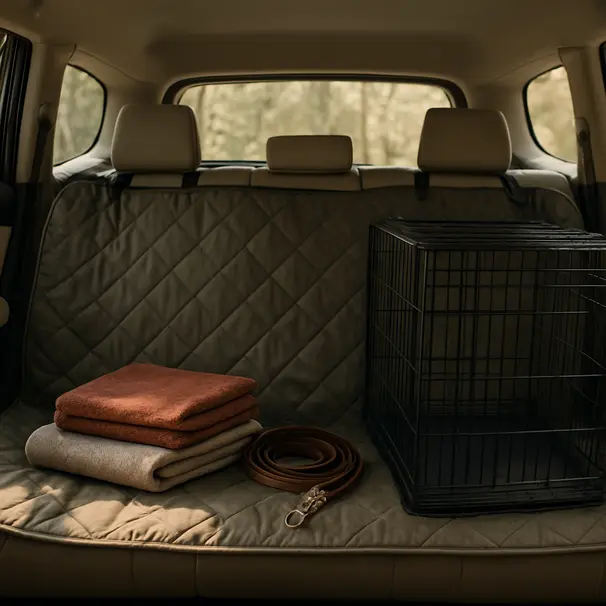
- Restraints and harnesses. Use a crash-tested harness, a secured crate, or a dog car seat. These options reduce injury risk and help prevent distracting movements that could cause an accident. Make sure the harness fits well and that a crate is sturdy and ventilated.
- Barriers and backseat covers. A barrier or a hammock-style seat cover can keep your dog off the front seats and protect upholstery. Look for covers with non-slip backing and side flaps to keep paws and fur contained.
- Temperature control. Cars heat up quickly. Keep the AC on during warm days, and never leave your dog alone in the car. On colder nights, bring extra blankets and a warm sleeping pad. Consider a thermometer for the cargo area if you’re traveling with a brachycephalic breed or a senior dog.
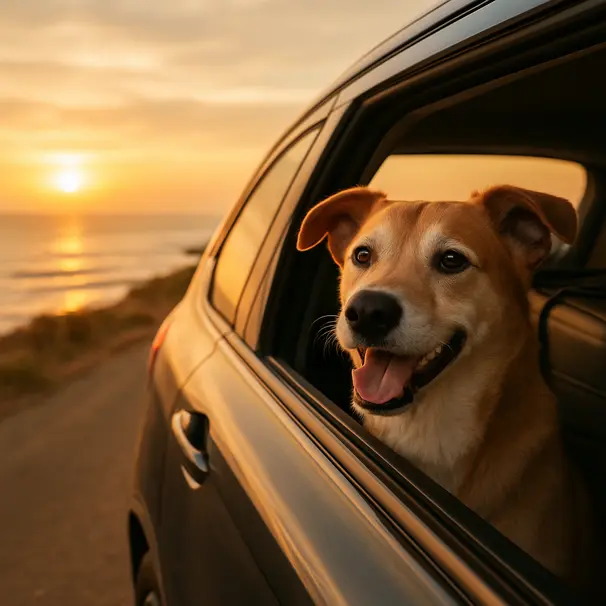
- Windows and fresh air. Crack a window for airflow, but don’t let your dog hang its head out. Flying debris, bugs, and sudden stops can cause injury.
Comfort, motion, and calm
Long drives can be tiring. These tips help your dog arrive ready to explore.
- Meal timing. Feed smaller meals a few hours before driving to reduce the chance of an upset stomach. Bring familiar food and consider travel-friendly pre-portioned meals.
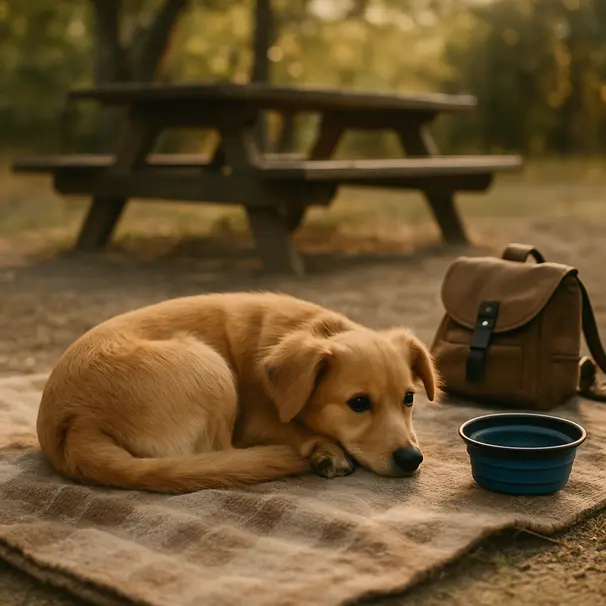
- Hydration. Offer water frequently, especially in warm weather. Collapsible bowls are compact and handy at rest stops. Some dogs prefer a slow-sip water bottle to avoid gulping.
- Motion sickness. If your dog has a history of nausea or drooling while traveling, talk with your vet about motion-sickness options. Natural calming chews, short-acting medications, or anti-nausea prescriptions may be suggested. Try any new product during a short drive before relying on it for a long trip.
- Comfort items. Pack a favorite blanket, a worn T-shirt with your scent, and a familiar toy. These items can be comforting in strange settings and can help a dog settle more easily.
- Calm cues and routines. Keep feeding, walking, and rest times consistent each day. Quiet music, a predictable routine, and gentle praise for calm behavior can reinforce a relaxed vibe.
Entertainment and enrichment on the road
Boredom makes trips longer for both of you. Keep your dog mentally engaged with simple, safe activities.
- Interactive toys. Puzzle toys, lick mats, and treat-dispensing toys can occupy a dog during breaks or while settled in the car. Freeze a treat-filled toy the night before for a longer-lasting distraction.
- Short walks and sniff breaks. Aim for a brief walk every two hours, more if your dog is energetic. Sniffing is mentally tiring, so let them explore safely on leash. Use these breaks to reinforce basic commands and let them relieve themselves.
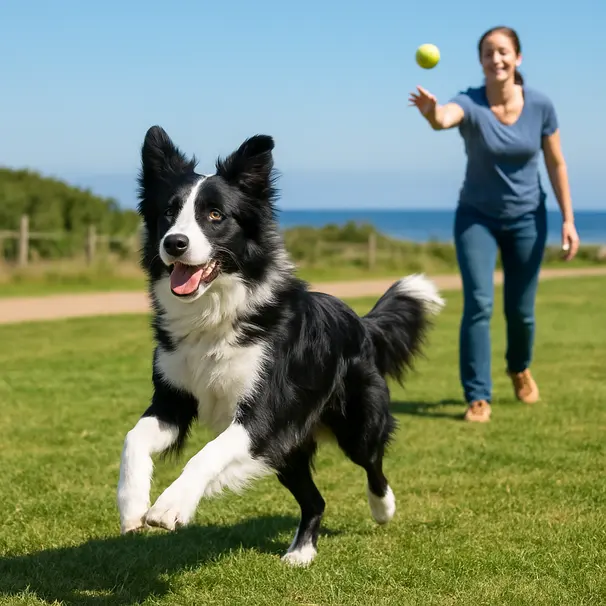
- Play stops. Schedule a longer stop at a dog park or a beach if one’s on your route. A 20 to 30-minute run can help a restless dog relax for the next leg of the drive.
- Quiet time tools. If your dog rests more easily with background noise, try a playlist of calming music or white-noise apps made for pets.
Food, treats, and packing lists
A well-packed bag means fewer frantic runs for supplies.
Essentials to pack in your dog’s travel bag:
- Food, portioned into daily servings
- Collapsible water bowl and a spare bowl if you’ll be outdoors
- Plenty of water plus a portable bottle
- Medications, plus written instructions
- Poop bags and a small scooper if you use one
- Towels and wipes for muddy paws
- Grooming brush or comb
- First-aid basics: vet wrap, tweezers, saline, and a digital thermometer
- Leash and a spare leash, harness, and backup collar
- Copy of vaccination records and microchip information
- A favorite toy and a comfort blanket
Pack a separate cleaning kit in your trunk. Accidents happen, so include enzyme cleaner, paper towels, and a sealable bag for dirty items.
Overnight stays and pet-friendly lodging
Finding dog-friendly places is easier now, but a little patience helps.
- Book ahead. Look for dog-friendly hotels, cabins, or rentals. Read reviews about how welcoming they are to pets, and confirm any size or breed rules before you book.
- Create a hotel routine. Bring the dog’s bed and set it up in a corner. Keep your dog on leash while you check the room, and never leave them unattended for long, especially in unfamiliar spaces.
- Crates help. A crate can provide a den-like sense of security and make it easier to leave your dog in a room for short periods. Make the crate inviting with familiar bedding and a toy.
- Local rules. If you’ll be visiting parks or beaches, check leash laws and local regulations. Respecting rules keeps dogs welcome.
Emergencies and contingency planning
No one plans for a broken-down car or sudden illness, but you can prepare.
- Vet locations. Before each day’s drive, search for emergency vets along your route and save addresses and phone numbers. Apps and GPS can help, but have a printed list too.
- Roadside help. Make sure your roadside assistance covers towing with pets if that’s a concern. Keep emergency blankets and a water supply in the car.
- First-aid training. Consider taking a pet first-aid course. Small skills like how to stop bleeding, how to perform CPR, and how to handle choking can help in the first minutes after an injury.
- Health signals. Watch for signs of overheating, lethargy, persistent vomiting, or any sudden behavioral changes. If you think something is wrong, contact a vet. Quick action can be important.
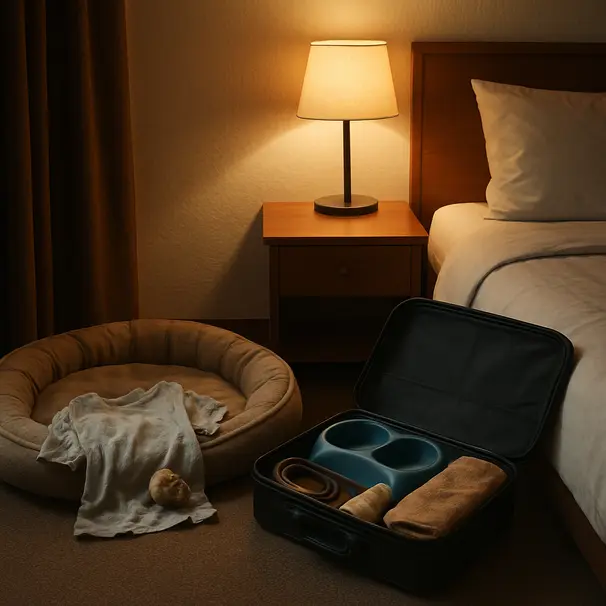
Final checklist for the morning of departure
- Pack dog food and water, and confirm bowls are accessible.
- Secure your dog’s ID tag and collar, and pack the backup collar.
- Place the crate or harness in the car in its secured spot.
- Double-check your bag of records, medications, and first-aid supplies.
- Walk your dog for a good 15 to 20 minutes before loading. A tired dog settles faster.
- Make sure your phone is charged and that you have offline maps or a printed route.
Travel etiquette and being a considerate guest
Good manners keep travel pleasant for everyone.
- Clean up after your dog promptly. Carry extra bags and be thorough.
- Keep barking under control, especially in shared lodging or at rest stops.
- Respect other dogs and people during walks. Not every dog enjoys an enthusiastic greeting.
Small comforts that make a big difference
- A portable fan for warm evenings can be a lifesaver for short waits and outdoor meals.
- A nightlight near the dog’s sleeping area helps older dogs move around safely.
- Treats that are easy to portion make training on the road simple.
Wrapping up and coming home
After the last mile you’ll be tired, but a few end-of-trip routines help settle everyone.
- Give your dog time to decompress at home before offering a full meal.
- Check for ticks, burrs, and any scraped paws.
- Launder bedding and wash toys to remove dirt and travel smells.
Road trips are wonderful ways to explore and bond. With the right prep, most dogs adjust beautifully to the rhythm of the road, and you’ll both collect stories to tell at the next park meetup. Keep safety simple, routines steady, and your sense of humor close, and you’ll be ready for many more miles together.
If you have special medical concerns, consider touching base with your vet before leaving, particularly for long or remote trips. Safe travels, and happy sniffing.