

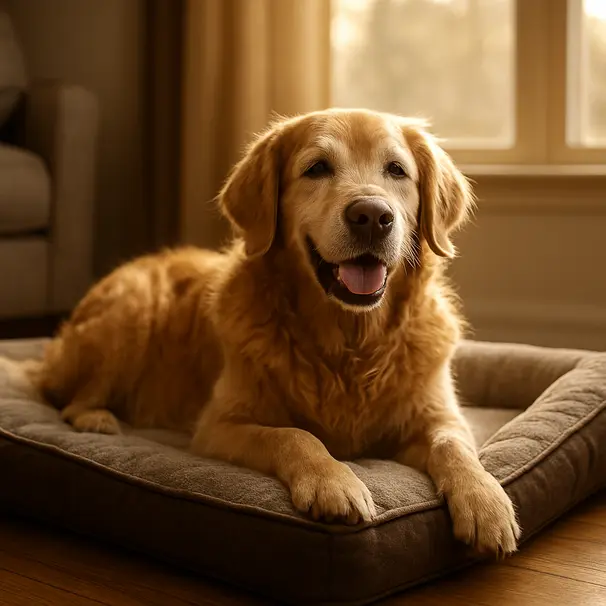
Senior Dog Care: Essential Tips for Wellbeing and Comfort
Growing old with a dog is a special kind of privilege. Those grey hairs and slower walks are reminders of years of loyalty and love. As your dog moves into their senior years, small changes in routine, environment, and care can make a big difference to how comfortable and content they feel.
This guide shares practical, easy-to-follow tips for pet owners and pet carers. Whether you’re supporting your own dog or looking after a senior client, you’ll find compassionate strategies for keeping older dogs comfortable, engaged, and safe.
Recognizing the Signs of Aging
Not every dog shows age the same way. Some breeds start to slow down earlier, while others keep their pep much longer. Common signs you may notice include slowed mobility, changes in appetite, altered sleep patterns, and shifts in behavior or mood.
Mobility and joint changes
- Stiffness after rest, reluctance to climb stairs, or slower rising from a lying position can indicate joint discomfort.
- Consider more frequent, shorter walks and gentle stretching exercises.
Senses and cognition
- Diminished hearing or sight may mean your dog startles more easily or hesitates in unfamiliar places.
- Confusion at night or slower responses to commands can be signs of cognitive changes. Gentle routines and clear cues can help.
Appetite and digestion
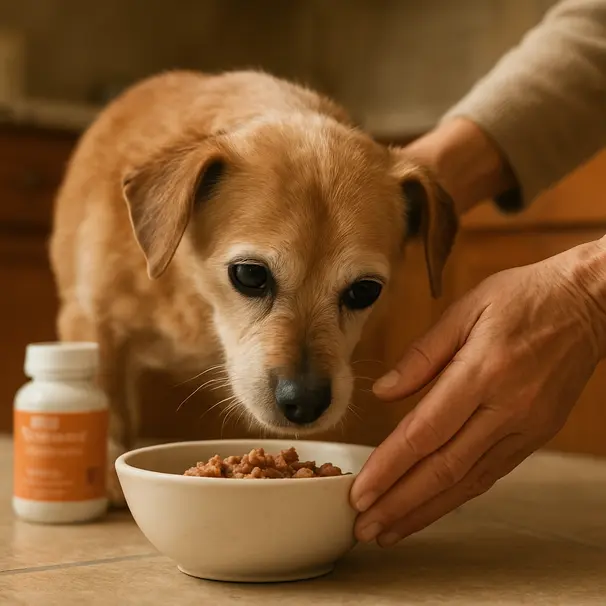
- Appetite loss, picky eating, or new digestive issues deserve attention. Small meal changes can help, and consider offering softer or warmed food for easier chewing.
Behavior and mood
- Increased clinginess, irritability, or sleeping more than usual can all be part of aging. Patience and predictable routines often soothe anxious or unsure seniors.
Home Adjustments for Comfort
A few thoughtful tweaks around the house can make daily life much easier for a senior dog.
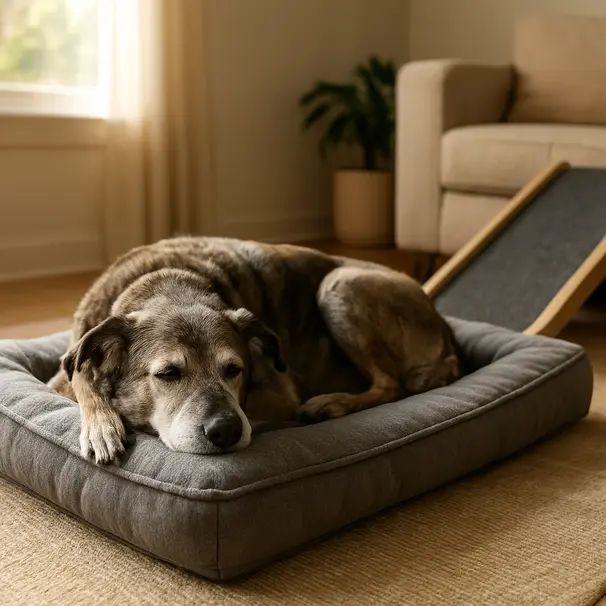
- Bedding: Provide an orthopaedic bed, or add memory foam to relieve pressure points. Place beds away from drafts and on a stable surface.
- Access: Use ramps or pet stairs for sofas and vehicles, and consider a low, wide ramp for cars if your dog still enjoys rides.
- Flooring: Lay down non-slip rugs or runners on slippery floors to help steady older paws.
- Temperature: Older dogs may feel cold more easily. A warm blanket or raised bed can help, and watch indoor temperatures during colder months.
- Litter areas: If your dog has incontinence or needs frequent bathroom breaks, keep one area of the house easy to clean and near the door.
Nutrition and Weight Management
Good nutrition becomes more important as your dog ages. Metabolism changes, and many senior dogs need fewer calories but more digestible, nutrient-rich food.
- Choose age-appropriate food: Look for formulas that support joint health, contain high-quality protein, and offer balanced vitamins and minerals.
- Portion control: Keeping your dog at a healthy weight can reduce strain on joints and improve mobility. Measure meals and track treats.
- Special diets: If your dog has kidney, liver, or heart concerns, a vet may suggest a tailored diet. Always consult a vet before making major diet changes.
- Consider supplements: Omega-3s, glucosamine, and chondroitin may help some dogs. Talk with a vet about appropriate supplements and dosages.
Hydration matters
Older dogs can dehydrate more easily. Place fresh water in multiple spots and consider a pet fountain if your dog prefers running water.
Exercise and Mental Stimulation
Keeping a senior dog active and mentally engaged helps preserve mobility and mood.
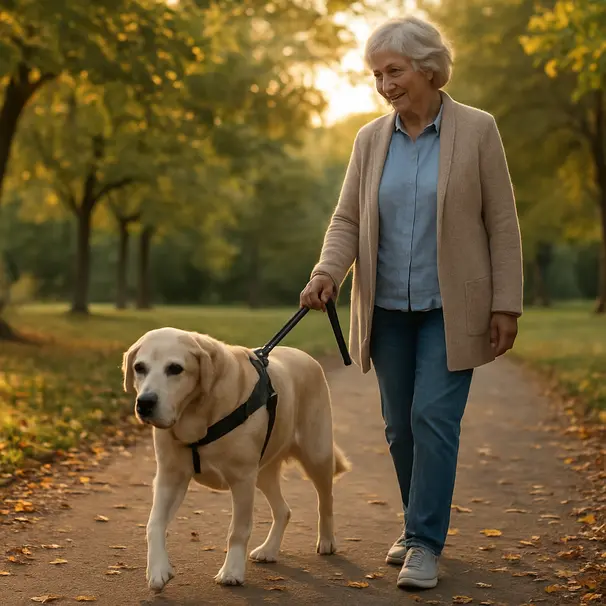
- Low-impact exercise: Shorter, more frequent walks, gentle swimming, and slow leash hiking are excellent. Avoid high-jump activities or rough play.
- Strength and balance: Gentle physical therapy exercises or controlled stair climbing can maintain muscle tone. A qualified trainer or canine rehab specialist can offer safe routines.
- Mental enrichment: Puzzle feeders, scent games, and basic training keep the mind sharp. Change up activities to prevent boredom.
- Consistency: Older dogs thrive on routine. Regular, predictable walks and playtimes can reduce anxiety and confusion.
Grooming and Dental Care
Grooming is more than aesthetics for senior dogs. It’s a chance to check skin, coat, and teeth, and to bond during gentle care sessions.
- Regular brushing: Older dogs may have thinner skin. Use soft brushes and brush gently to check for lumps or hotspots.
- Ear and eye care: Keep ears clean and dry, and wipe away discharge from eyes. Sudden changes in smell or appearance could signal an issue.
- Nail trimming: Long nails can alter gait. Trim nails carefully or ask a groomer experienced with senior dogs.
- Dental health: Bad breath, tartar buildup, and loose teeth can affect appetite and comfort. Consider regular dental checks and talk to your vet about dental cleanings.
Regular Veterinary Care and Monitoring
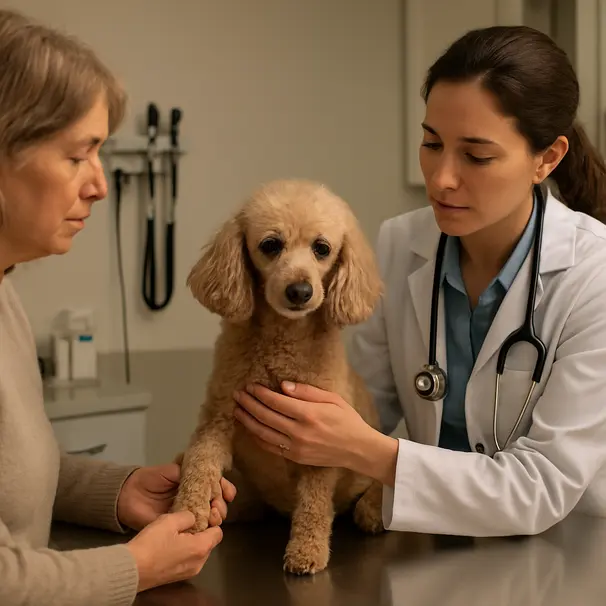
Routine vet visits become more important as dogs age. Early detection of common conditions can lead to better management and quality of life.
- Check-ups: Annual exams may become twice-yearly, depending on your dog’s health. Blood work and urine tests can reveal hidden problems.
- Pain management: Signs of pain can be subtle, such as reduced interest in play, changes in grooming, or altered posture. Discuss pain screening and management options with your vet.
- Vaccinations and parasite control: Follow your vet’s guidance on vaccines and parasite prevention suitable for older pets.
- Medication management: If your dog requires daily medication, use pill organizers and clear labeling to avoid missed doses.
Choosing a Trusted Carer for a Senior Dog
If you need help, finding a carer who understands senior dog needs is essential. Here are practical tips for selecting the right person.
- Look for experience: Ask if the carer has worked with senior dogs, and for examples of how they handled mobility or medication needs.
- Check references: Speak with previous clients, and look for reviews that mention patience, reliability, and compassion.
- Meet-and-greet: Arrange a trial visit so the carer can meet your dog in their home environment. Watch how they interact and whether your dog relaxes.
- Ask about training and first aid: A basic knowledge of pet first aid and comfort with administering medication are big pluses.
- Communication: Choose a carer who sends updates and photos. Regular check-ins give you peace of mind.
Day-to-Day Practicalities for Carers
Whether you’re a pet owner hiring help or a professional carer, clear routines make life smoother for a senior dog.
- Create a care sheet: List feeding times, medication instructions, favorite toys, and any behaviors to watch for.
- Keep a bathroom log: Note times to help identify changes in frequency or accidents.
- Emergency contacts: Include your vet’s number, a backup guardian, and a nearby emergency clinic.
- Respect the dog’s limits: Allow extra time for walks, avoid crowded or overstimulating environments, and let the dog set the pace.
Emotional Support and Quality of Life
Aging can bring emotional ups and downs for dogs and owners. Small gestures of reassurance go a long way.
- Extra cuddles and calm time: Gentle petting, soft music, and quiet laps create comfort.
- Keep scents familiar: Familiar blankets and clothing with your scent can soothe anxious pets.
- Celebrate the little wins: Did your dog take a few extra steps today, or eat a full meal? Those moments matter.
Thinking about end-of-life care is never easy. Consider discussing quality-of-life signs with your vet and a trusted carer, so decisions feel informed and compassionate.
Final Notes for Loving Senior Care
Caring for a senior dog is both practical and heart-led. Focus on comfort, routine, gentle exercise, and close observation. Regular vet check-ins and thoughtful home adjustments often prevent discomfort and help detect issues early. If you’re using a pet care platform, look for carers who show patience, experience, and clear communication. That blend of kindness and competence makes the golden years brighter for everyone involved.
Senior dogs give so much love. With a few changes and plenty of soft moments, you can make their later years peaceful and joyful.