

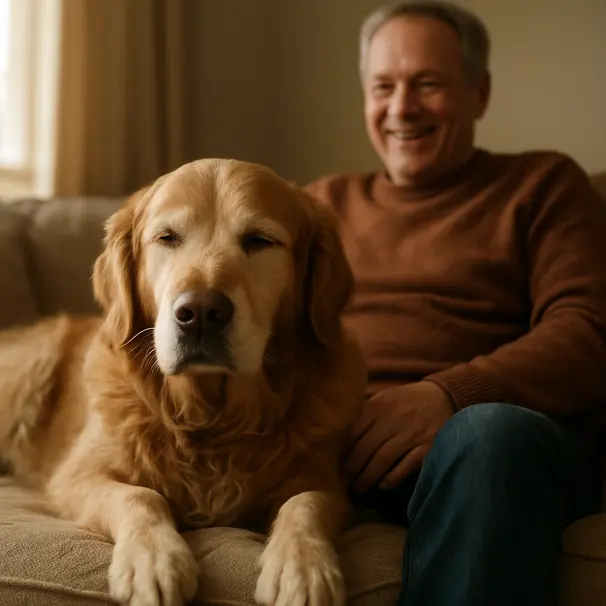
Senior dog mobility: help them move easier
Aging is a natural part of life, and for our dogs it often shows up as slower steps, stiff joints, or a little less enthusiasm for jumping onto the bed. That doesn’t mean they need to give up the things they love. With a few practical changes, a bit of patience, and the right helpers, you can make everyday movement easier and more joyful for your senior dog.
This post walks through common signs of mobility decline, home adjustments that can make a big difference, helpful aids and tools, safe ways to keep your dog active, and when to reach out to a vet or a trusted carer. Think of these as gentle, real-world tips from one pet lover to another.
Spotting the signs your senior dog needs help
Some changes are obvious, and others sneak up slowly. Keep an eye out for subtle shifts so you can act early and comfortably.
- Slower to stand up or lie down, hesitating before movements.
- Stiffness after resting, especially in the morning or after naps.
- Difficulty with stairs, jumping into a car, or getting onto furniture.
- Reluctance to play, shorter walks, or favoring one leg.
- Changes in grooming if they can’t reach certain areas.
- Small accidents in the house, which may indicate decreased mobility or trouble getting outside.
If you notice sudden changes, worsening lameness, or pain signs like vocalising, consult your vet. For gradual shifts, simple adjustments often help, and a vet or physiotherapist can suggest tailored options.
Create a mobility-friendly home
Tiny changes at home can add up to big wins for an older dog. Start by making every day easier to navigate.
- Flooring: Place non-slip rugs or runners on slippery floors, particularly along usual routes. Short rugs with grippy backing help dogs avoid sliding and feeling insecure.
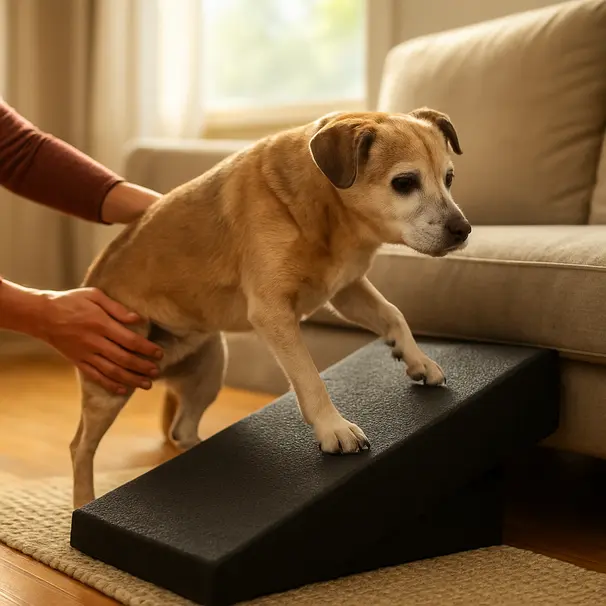
- Ramps and steps: Low, stable ramps or soft pet stairs can replace leaps onto couches or into cars. Measure the height and slope first so the ramp isn’t too steep.
- Strategic furniture changes: Lower a favourite bed or create a designated ground-level resting spot with supportive bedding. Move food, water, and favourite toys to one accessible area.
- Bedding: An orthopedic bed with memory foam can ease pressure on joints. Add a warm blanket for extra comfort during cold months, which often make stiffness worse.
- Bathroom access: Consider a bell, mat, or routine signals to help your dog ask to go out. Simple scheduled toilet breaks reduce accidents and stress.
Assistive tools and aids that can help
There are well-made tools that can increase independence and confidence for older dogs. Think of them as practical helpers, not complicated solutions.
- Harnesses and slings: A well-fitting support harness or lifting sling can help you assist your dog over short distances, up stairs, or into vehicles. Look for padded handles and adjustable straps for comfort.
- Non-slip mats and stair treads: Add traction where your dog walks most. Stair treads are especially handy for homes with indoor stairs your dog still uses.
- Ramps and folding ramps: Ramps can be used for couches, beds, or cars. Portable ramps are great for trips. Choose sturdy, low-angle options with textured surfaces.
- Mobility carts: For dogs with significant hind leg weakness, a rear-support cart can restore activity. These should be fitted to your dog and introduced gradually.
- Orthopaedic boots or paw wraps: These can protect paws on rough ground and add traction outdoors. Try them indoors first so your dog gets used to the feel.
- Joint-support bedding: Bolster-style cushions provide a cozy edge that helps dogs push themselves up. Combine with a raised feeding station to reduce neck strain.
Always introduce new gear slowly and with positive reinforcement. Let your dog sniff and explore, use treats and short sessions, and make sure any harness or sling doesn’t rub or chafe.
Safe, gentle exercise and daily routines
Keeping your dog active in a controlled way can help maintain muscle tone, circulation, and confidence. The key is low-impact, consistent movement.
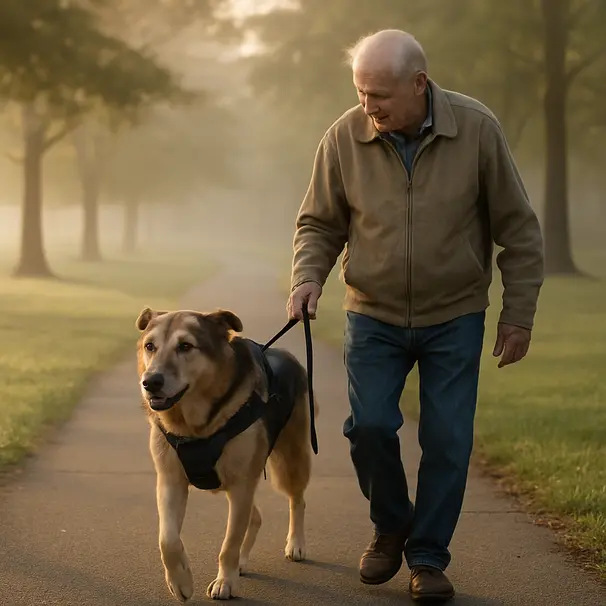
- Short, frequent walks: Instead of one long walk, try two or three shorter walks each day. This reduces strain but keeps joints moving.
- Controlled pace: Let your dog set the pace. Use a harness and keep routes calm. If a particular surface or slope causes trouble, find an alternative path.
- Strength-building at home: Simple standing and sit-to-stand repetitions, done slowly with encouragement, can help maintain muscle. Keep sessions brief and upbeat.
- Hydrotherapy or swimming: Water supports the body and allows greater range of motion with less weight-bearing. Consider supervised sessions if your dog enjoys water, and consult a professional.
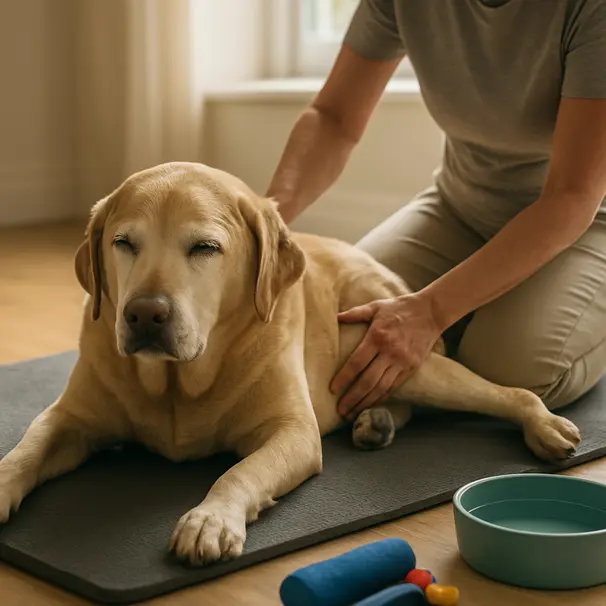
- Massage and gentle range-of-motion: Short massage sessions can relax tense muscles. Slowly move joints through comfortable ranges, watching your dog’s responses. Stop if they seem uncomfortable.
- Mental enrichment: Puzzle feeders, scent games, and gentle training keep the brain engaged. When mobility is limited, mental exercise can improve wellbeing.
Consider working with a certified canine physiotherapist or a trained carer for tailored exercises. They can suggest progressions and show you safe techniques you can use at home.
Choosing the right support: vet, physiotherapist, or carer
You don’t have to do this alone. Different professionals can help in different ways.
- Vet: A veterinarian can assess pain, run diagnostics, and advise on medical options. If your dog is slowing noticeably or seems painful, book a check-up.
- Canine physiotherapist or rehab specialist: These pros can create targeted exercise programs, suggest hydrotherapy, and recommend assistive devices. Sessions can be done in clinic or at home.
- Trusted carers and pet helpers: A gentle, experienced carer can assist with walks, help your dog navigate stairs, and follow exercise plans. On Floofy, many carers are comfortable with senior dogs and can support mobility needs.
Signs it’s time to get professional help include sudden lameness, loss of appetite linked to movement, falling or collapsing, or a marked reduction in activity despite home changes. If your dog receives a new device, a short consultation with a physiotherapist can make sure it fits and is used correctly.
Everyday tips and a simple checklist
Small habits add up. Here are practical actions you can start right away.
- Keep a daily mobility log: Note walks, trouble spots, and any changes. Patterns can help your vet or carer plan care.
- Try one change at a time: Add a ramp, observe for a week, then try a non-slip mat. That way you can see what helps most.
- Use positive reinforcement: Praise and small treats help your dog accept new gear and routines.
- Maintain a comfortable weight: Extra pounds can strain joints. Discuss a target weight with your vet and adjust diet gently.
- Temperature matters: Keep your senior dog warm in cold weather. A heated bed or warm blanket can ease stiffness.
- Plan for travel: Portable ramps, a familiar blanket, and short practice sessions make car entry less stressful.
Checklist:
- Non-slip mats or runners in key areas
- Ramp or steps for favourite furniture and car access
- Support harness or lifting aid for short assists
- Orthopaedic bed in a quiet, warm spot
- Short, regular walks and gentle home exercises
- Contact details for your vet and a trusted carer
Preparing emotionally and practically
Caring for an older dog brings bittersweet moments. You may miss their younger energy, and you may feel worried about decisions ahead. Focus on comfort and quality of life. Celebrate daily victories, like a short walk without hesitation or a confident step onto the couch with a ramp.
Involve household members and, if helpful, a trusted Floofy carer. A second pair of hands can keep routines consistent, give your dog extra walks, and provide companionship when you need a break.
Final thoughts
Helping a senior dog move easier is a mix of observation, small home changes, consistent routines, and the right support. Start with one simple improvement, like a ramp or shorter, gentler walks, and build from there. If you have concerns about pain or sudden changes, consult your vet and consider a physiotherapist or experienced carer to guide you.
A little planning goes a long way. Your dog may be slower, but with patience and the right tools, they can keep enjoying the smells, cuddles, and quiet moments that make life together so special.
If you’d like help putting a mobility plan into action, look for carers experienced with senior dogs on Floofy. They can offer hands-on support, short guided walks, and gentle assistance so your dog stays comfortable and connected.