

Why enrichment matters for hamsters and rabbits
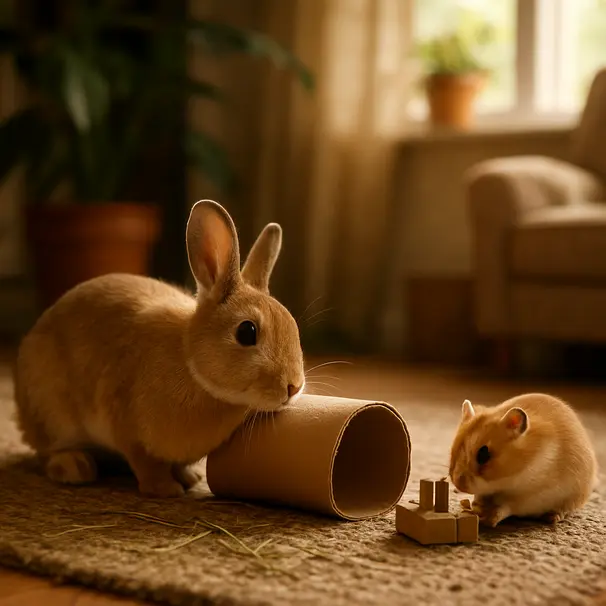
Enrichment is about more than fun. For hamsters and rabbits it helps prevent boredom, encourages natural behaviours, and can reduce stress-related nibbling or restlessness. Small pets may show big personalities when given interesting things to explore. These activities can help carers and owners build safe, stimulating days that suit each animal’s energy and preferences.
Quick safety notes before you start
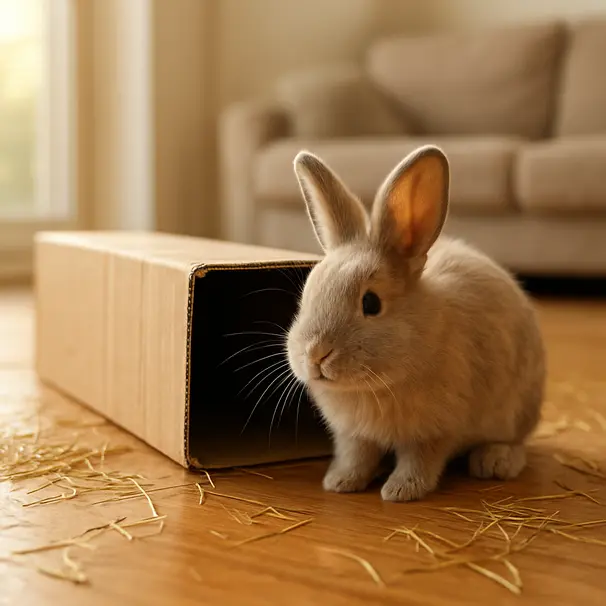
- Check items for choking hazards or loose bits that could be swallowed. Small pets will chew anything they can.
- Use non-toxic materials. When in doubt, leave it out. Cardboard, untreated wood, and plain paper are usually safe, but avoid inks, glossy paper, or treated wood.
- Introduce new activities slowly, and watch for signs of stress like freezing, hiding for long periods, or loss of appetite. If you notice worrying signs, consider consulting a vet.
- Supervise supervised play outside the cage. Rabbits can be quick and curious, and hamsters can squeeze into surprising places.
How to use this list
Below are 12 enrichment activities split into simple DIY ideas, foraging challenges, movement-based play, and calm, mental exercises. Each item includes quick setup tips and notes to adapt the activity for either a hamster or a rabbit.
12 Easy enrichment activities
- Cardboard maze or tunnel
- What to do: Cut and tape cardboard boxes or long tubes into a maze. Add small openings and hideaways.
- Hamsters: Make narrow tunnels with toilet-roll inserts and small hiding pockets. Keep passages tight enough to feel safe, not to trap.
- Rabbits: Use larger boxes, create multiple entrances, and make a cozy corner for naps.
- Why it helps: Encourages exploration and gives a safe place to burrow or hide, which both species enjoy.
- Foraging cups
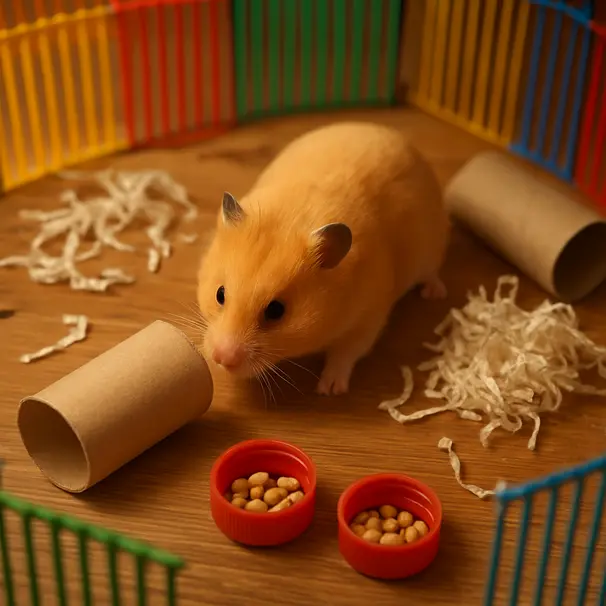
- What to do: Hide treats or favourite greens inside shallow cups filled with hay or shredded paper.
- Hamsters: Use a shallow bottle cap or small cup sized for their paws.
- Rabbits: Use larger bowls or hide treats under a layer of hay to mimic grazing.
- Why it helps: Stimulates natural searching behaviour and slows down fast eaters.
- DIY puzzle feeder
- What to do: Cut holes into a small cardboard box and place kibble or pellets inside so pets must nudge or paw to get food out.
- Tips: For hamsters, smaller holes work better. For rabbits, build a sturdier box and make holes big enough for a nose.
- Why it helps: Provides mental challenge and rewards persistence.
- Scatter foraging in playpen
- What to do: In a supervised play area, scatter hay, greens, and a few treats across the floor.
- Hamsters: Keep the area shallow and secure so they can’t escape.
- Rabbits: Scatter in patches to encourage longer searching and grazing.
- Why it helps: Encourages natural foraging and increases movement.
- Safe chew stations
- What to do: Offer a station with apple sticks, untreated wood blocks, and compressed hay blocks.
- Safety: Avoid treated woods, painted items, and glue.
- Why it helps: Satisfies chewing instincts and supports dental health with safe materials.
- Hide-and-seek with a trusted caregiver
- What to do: Hide near a play area and call softly, or hide treats behind cushions while the pet watches.
- Hamsters: Keep interactions brief and gentle, using soft voices and small movements.
- Rabbits: Rabbits often enjoy a calm game of chase-and-hide, but avoid sudden loud noises.
- Why it helps: Strengthens the bond, and introduces enrichment that involves a human presence.
- Elevated platforms and ramps
- What to do: Add low platforms, ramps, or safe shelves for rabbits to hop on, and small levels for hamsters to climb.
- Hamsters: Ensure ramps have good traction, like cardboard or wood strips.
- Rabbits: Keep platforms stable and under one metre high to avoid injury from falls.
- Why it helps: Adds vertical interest and gives pets vantage points to explore.
- Sensory boxes
- What to do: Create boxes filled with hay, shredded paper, safe grasses, or dried herbs for sniffing and digging.
- Hamsters: Use smaller shallow boxes and rotate materials to keep novelty.
- Rabbits: Add patches of dried clover or safe herbs to encourage sniffing and nibbling.
- Why it helps: New textures and scents stimulate curiosity and reduce monotony.
- Tunnel and hide rotation
- What to do: Rotate tunnels and hideouts weekly so the environment feels new. Swap cardboard for fabric or wicker options.
- Why it helps: Simple swaps keep interest high without big expense.
- Ball play and rolling toys
- What to do: Give hamsters a light rolling toy or safe ball they can push. For rabbits, offer larger balls that can be nudged.
- Safety: Avoid small balls with parts that can detach. Supervise play.
- Why it helps: Promotes exercise and short bursts of energetic activity.
- Quiet puzzle time
- What to do: Offer a slow puzzle, like a treat hidden under cups or in a shallow muffin tin covered with paper.
- Hamsters: Use tiny treats and let them paw at the cover.
- Rabbits: Use larger treats and lift corners so they can root and nudge.
- Why it helps: Encourages problem solving and mindful eating.
- Gentle grooming and scent swapping
- What to do: Spend calm time brushing, or swap bedding between pens for scent enrichment.
- Why it helps: Brushing can be bonding and scent swapping introduces familiar but novel smells from other safe environments.
Building a weekly enrichment plan
Structure helps. Try mixing high-energy activities like running and foraging with quiet puzzle time and rest. Example week for a rabbit:
- Morning: Scatter foraging and a short supervised hop in a play area.
- Afternoon: Quiet chew station and nap in a cosy box.
- Evening: Gentle grooming and a puzzle feeder.
Example week for a hamster:
- Morning: Rearrange tunnels and a sensory box.
- Evening: Wheel time and puzzle treats while the household is calm.
Rotate toys weekly to keep novelty. You can note favourites and bring back items that spark curiosity every few weeks.
DIY materials and simple supplies list
- Cardboard boxes and toilet-roll tubes
- Untreated wood blocks and apple sticks
- Plain paper or shredded paper for nests
- Hay and dried herbs
- Small plastic cups or bottle caps for hamsters
- Muffin tins for puzzle feeding
- Low ramps and flat platforms
Always inspect DIY items regularly, replacing chewed or dirty pieces. Clean materials that get soiled, and toss anything that could break apart.
Signs your pet is enjoying enrichment
- Active exploration, sniffing and nudging new items
- Spending more time out of the hide box when fresh toys are introduced
- Longer grooming or calmly eating treats
If your pet freezes, hides for unusually long periods, or stops eating, pause the activity and try something gentler. These signs may mean the activity was too intense or the pet prefers different types of stimulation.
Working with pet carers and sitters
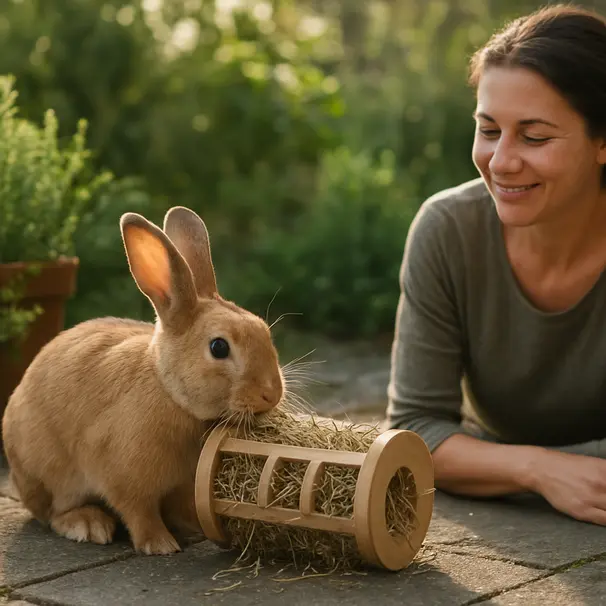
If you use a pet carer, share a short enrichment plan. Include favourites, known dislikes, and any materials to avoid. A good carer will stick to a routine that fits your pet’s temperament, and leave notes on which activities worked best.
Tips to share with carers:
- Favourite treats and safe treat amounts
- Active times of day for the pet
- Any items that cause chewing of tapes or labels to be avoided
- How to introduce new toys slowly
Final thoughts and easy next steps
You don’t need to overhaul your pet’s world to make a big difference. Small swaps, short daily sessions, and a few safe DIY toys can spark curiosity and reduce boredom. Keep activities varied, watch for signs of enjoyment, and adapt as your hamster or rabbit grows more confident.
If you’re ever unsure about a material or behaviour change, consider checking with a vet or an experienced carer. Most importantly, have fun discovering what makes your small pet happiest. They’ll repay you with bright eyes, lively hops, and lots of charming little antics.