

Why enrichment matters for small pets
Small pets are curious, clever and full of personality. Even though they’re small, their minds need challenges and their bodies need movement. Enrichment can help reduce boredom, lower stress, and encourage natural behaviours like foraging, digging, and exploring. For carers and owners, enrichment is a way to bond, keep routines interesting, and spot changes in behaviour that might need attention.
Good enrichment is safe, simple, and repeatable. You don’t need a lot of fancy gear. A few homemade toys, short training sessions, and some supervised exploration can make big differences in a little pet’s day.
Quick daily enrichment ideas
These are easy to add to a busy day. Mix a couple into morning and evening routines.
- Food puzzles: Scatter pellets in paper tubes, toilet paper rolls, or under shredded paper. Foragers love the hunt.
- Short supervised play sessions: Ten to twenty minutes of gentle handling or guided play helps trust and gives exercise.
- Hide-and-seek treats: Tuck a small treat inside a cardboard box or behind a safe obstacle to encourage problem solving.
- Rotate toys: Swap two or three toys every few days to keep novelty fresh.
- Safe chew options: Untreated wood blocks, apple branches, or woven grass toys support dental health and exploration.
These ideas are quick to prepare and can fit into sitter visits or a morning routine. Keep portion sizes small and monitor for mess or ingestion of unsafe materials.
DIY toys and puzzles by species
Different species have different needs. Below are practical projects that are cheap, safe, and fun.
Rabbits
Rabbits love to dig, chew, and rearrange their space.
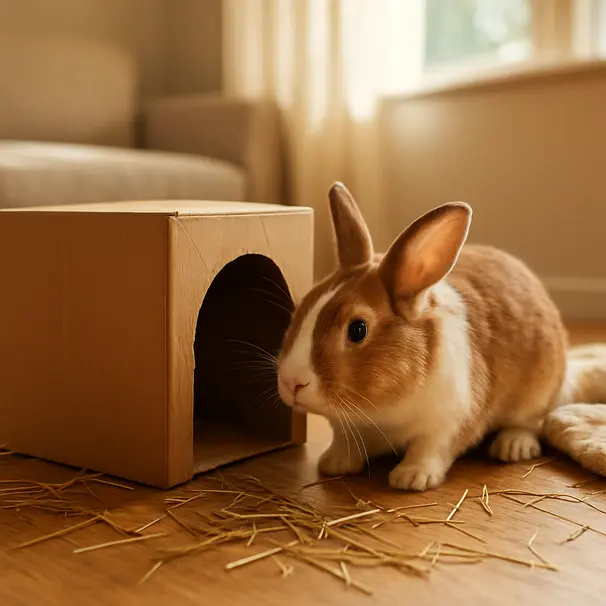
- Cardboard boxes and tunnels: Cut holes and stack boxes for a destructive, rewarding playground.
- Hay-stuffed treat balls: Wrap hay around a shallow ball or make a hay sock with a small treat inside.
- Forage trays: Layer hay, grass, and safe herbs in a shallow tray so they can nibble and root.
Guinea pigs
Guinea pigs are social grazers with a big appetite for new textures.
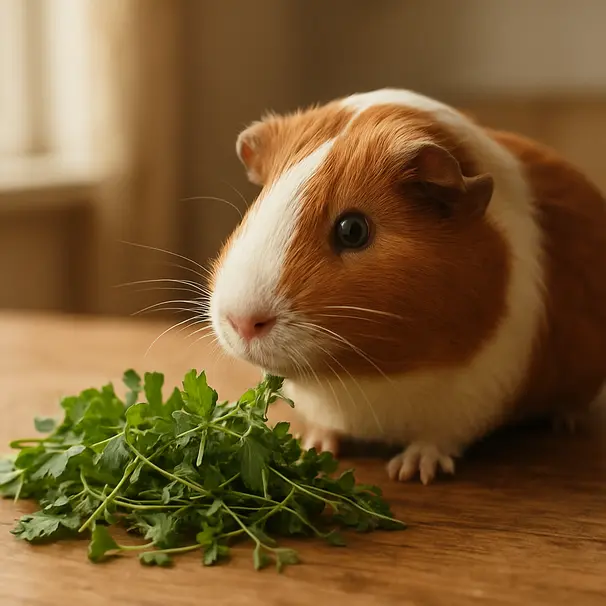
- Veggie scavenger hunt: Scatter salad greens in piles around their area. Hide some under a towel to encourage rooting.
- Tunnel forts: Fleece-lined boxes or fabric tunnels are cozy and fun for hide-and-run play.
- Cardboard chew towers: Stack cardboard with treats between layers to encourage tearing.
Hamsters, gerbils and mice
These small rodents are active at dawn and dusk and love wheel time and nesting.
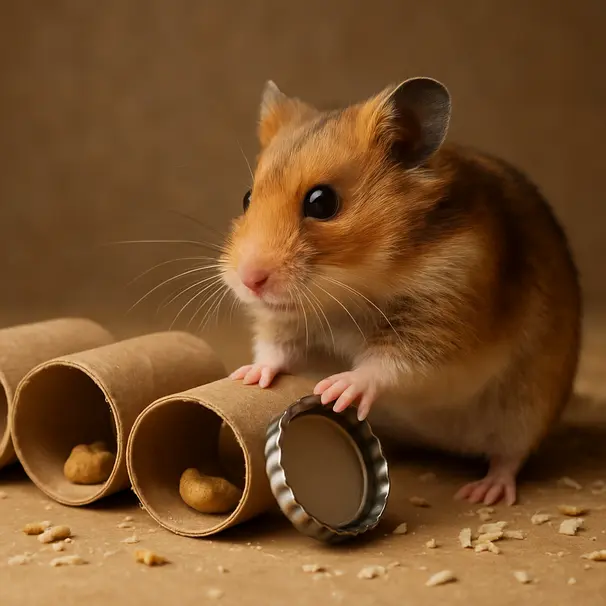
- Toilet-roll mazes: Tape tubes into a maze with dead ends and treat chambers.
- Nesting cups: Fill small cups with shredded paper or hay to encourage burrowing and nest-building.
- Treat-dispensing bottle tops: Use plastic bottle tops to balance tiny bits of food that must roll free.
Rats and ferrets (if applicable)
These intelligent animals enjoy training and more complex puzzles.
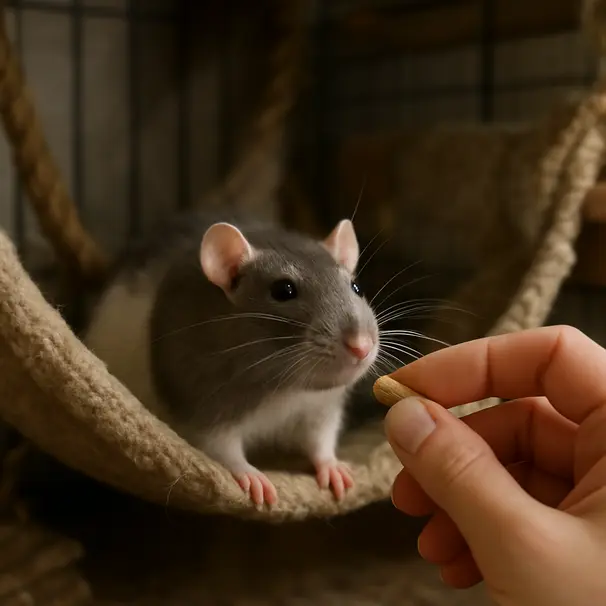
- Simple clicker training: Short 5-minute sessions that teach a target or a spin are mentally stimulating.
- Puzzle boxes: Multi-chamber boxes with small doors they must open in sequence for a reward.
- Hammocks and climbing ropes: Add verticality to enclosures for exploration.
Sensory enrichment: smells, textures and sounds
Small pets experience the world differently. Adding safe scents, textures and gentle sounds can be very rewarding.
- Scent swaps: Place a towel with a familiar scent in a new area to make it more inviting. For carers, swap a towel between visits so pets learn your scent.
- Texture mixing: Offer fleece, hay, untreated wood, and safe grasses for different chewing and nesting options.
- Gentle soundscapes: Low-volume natural sounds, like soft wind or birdsong, may calm some pets during quiet time. Watch for signs of stress and stop if they react negatively.
Always avoid strong perfumes, essential oils, or sprayed products. Many small animals are sensitive to concentrated scents.
Supervised outdoor time and safe excursions
When supervised carefully, outdoor time can be a rich experience. Use a secure run or a harness if the species tolerates it.
- Secure playpens: A pop-up run on grass with shade, fresh water, and constant supervision is a safe way to explore the outdoors.
- Ground-level grazing for guinea pigs and rabbits: Sit quietly and let them nibble safe grasses while you read or chat.
- Portable hideaways: Bring a small cardboard box or towel to create a shady spot where a timid pet can retreat.
Never leave small pets unattended outside. Check the ground for pesticides, sharp objects, and holes. If a pet seems nervous or overly alert, shorten the session and try again another day.

Social enrichment and handling tips
Social contact is enrichment too. Many small pets benefit from calm, predictable interactions.
- Short, frequent handling sessions: Keep them gentle and end before your pet shows signs of stress. This builds trust over time.
- Carer introductions: For sitters, ask owners for a favourite treat and a short greeting routine. Matching the routine can help a pet accept a new person.
- Pairing and bonding: Some species, like guinea pigs and some rabbits, are happiest with a companion. Introducing another pet requires careful, supervised steps and often guidance from an experienced carer or rescue.
If you’re unsure about mixing animals, consider a professional or a rescue for help. Introductions can take time and patience.
Training as enrichment
Training isn’t just for dogs. Small pets can learn simple cues and tricks, and training sessions are great mental workouts.
- Keep sessions short: Two to five minutes, a few times a day, works best.
- Use tiny rewards: Small pieces of vegetable, a nibble of hay, or a favored treat will do.
- Teach practical cues: “Come”, “target”, or returning to a small mat can make handling and vet trips easier.
Positive reinforcement helps build confidence. Always end on a positive note, even if the session was brief.
Rotating and refreshing toys
A box of toys that never changes gets boring. Rotate items and add small surprises to keep interest high.
- Create a toy basket: Keep a stash of 6 to 10 enrichment items and swap two or three every few days.
- Hide the novel item: Introduce one new thing at a time so your pet can explore it slowly.
- Recycle and refresh: Replace worn toys with new textures or slightly altered versions of old favourites.
Rotation is great for sitters too, because it gives variety during longer visits and keeps the pet engaged.
Safety checklist for owners and carers
Safety is the foundation of enrichment. Before offering a toy or activity, run through this quick checklist.
- Materials: Is it non-toxic, untreated, and free of sharp edges? Avoid plastics that can be chewed into small pieces.
- Size: Will the pet be able to swallow bits? Choose items appropriate for the species’ mouth size.
- Supervision: Will the activity be supervised? Unsuitable for unsupervised chewing or outdoor time.
- Cleanliness: Can it be cleaned easily? Swap dirty items for fresh ones to reduce bacteria.
- Escape risks: For outdoor play, is the area secure and pet-proofed?
If you have any concern, pause the activity and consult the owner or a vet if something seems unusual.
Troubleshooting common issues
Even the best-laid plans can misfire. Here are quick fixes to common enrichment problems.
- Pet ignores the toy: Try a different texture, hide a treat inside, or introduce it while your pet is hungry.
- Chewing dangerous materials: Remove the item immediately and replace it with safe chews. Check for ingestion and consult a vet if you suspect swallowing.
- Stress signs during play: Rapid breathing, freezing, or hiding means give space, shorten the session, and try a gentler approach next time.
- Overexcitement: Some pets can become overly aroused. Keep sessions calm and end them before energy peaks.
A slow, patient approach wins out. Watch body language closely and make small adjustments.
Planning enrichment for sitter visits
If you’re a pet carer, a little planning helps visits feel predictable for pets.
- Ask for an enrichment list: Owners can note favourite toys, forbidden items, and favourite treats.
- Bring a small starter kit: A roll of paper towels, a few cardboard tubes, and a couple of safe chew toys can help during unexpected downtime.
- Keep routines consistent: Stick to feeding times, nap times, and gentle play routines the owner uses.
- Leave a short note: Owners appreciate a quick summary of what worked, what the pet liked, and any odd behaviours to watch.
Good communication between owner and carer builds trust and keeps enrichment safe and effective.
Final tips and encouragement
Enrichment for small pets is about curiosity and kindness. You don’t need expensive toys, just creativity, supervision, and a bit of patience. Start small, watch your pet’s response, and tweak what you offer based on their preferences.
Want a simple starting plan? Try this daily mini routine for one week: a five minute forage puzzle in the morning, a ten minute supervised play session mid-day, and a short handled cuddle or training game in the evening. Rotate toys every third day, and log what your pet enjoyed most.
Enrichment helps small pets flourish. With thoughtful ideas, safe materials, and a gentle approach, owners and carers can create days that feel rich, playful, and full of discovery. Enjoy the little victories, and have fun exploring what your floofy friends love most.