

Small pet housing guide for hamsters, guinea pigs and rabbits
Small pets have big personalities, and giving them the right home is one of the best ways to help them thrive. This guide walks through practical, friendly advice for building comfortable, safe and enriching spaces for hamsters, guinea pigs and rabbits. It’s written for pet owners and carers who want hands-on tips, clear sizing guidance, and everyday ideas to make life better for little furry friends.
How to think about space and needs
Not all small pets have the same needs. A hamster may be perfectly content in a cozy, complex cage full of tunnels. A guinea pig will want more horizontal floor space. Rabbits need room to hop and stretch. Start by thinking about the species’ natural behavior and then match housing to activity level, not just cuteness.
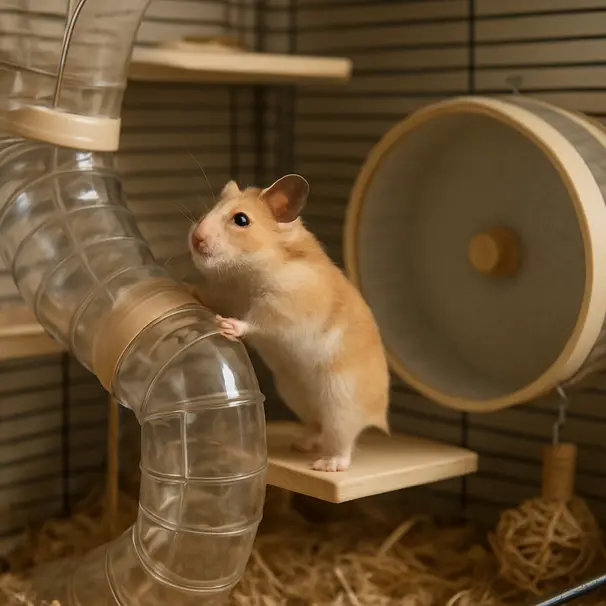
- Hamsters: Crepuscular and solitary for many species, hamsters love tunnels, chew toys and places to hide. They benefit from complex vertical and horizontal spaces but can feel stressed in tiny, bare cages.
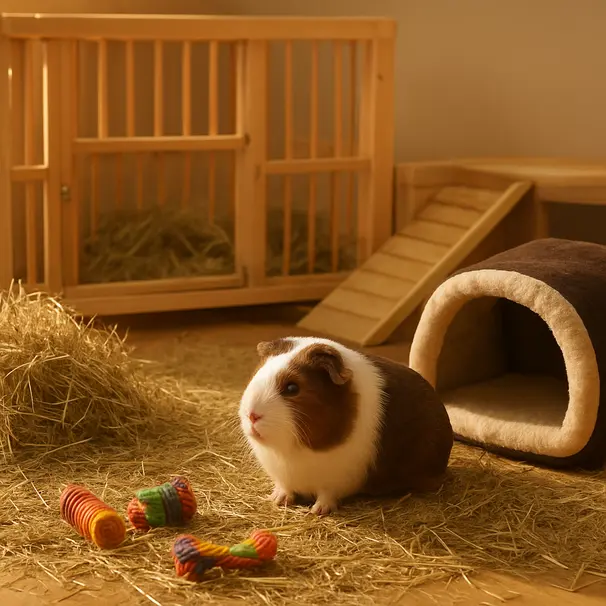
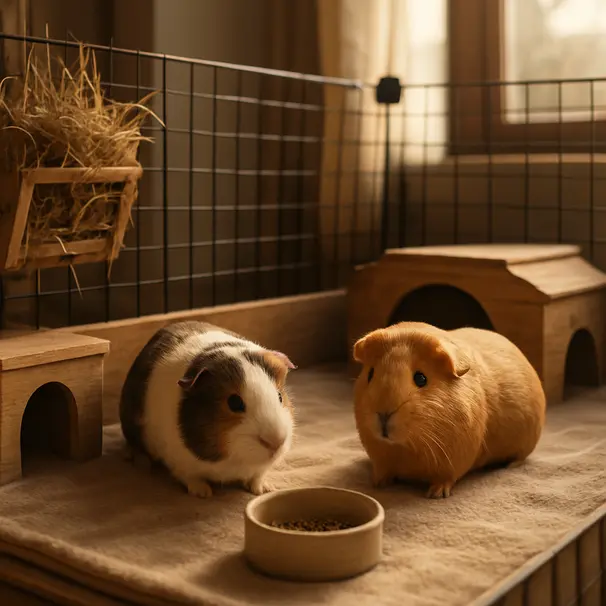
- Guinea pigs: Social and ground-dwelling, they need wide floor areas, stable flooring and hiding spots. They may enjoy gentle handling and company of another pig if properly introduced.
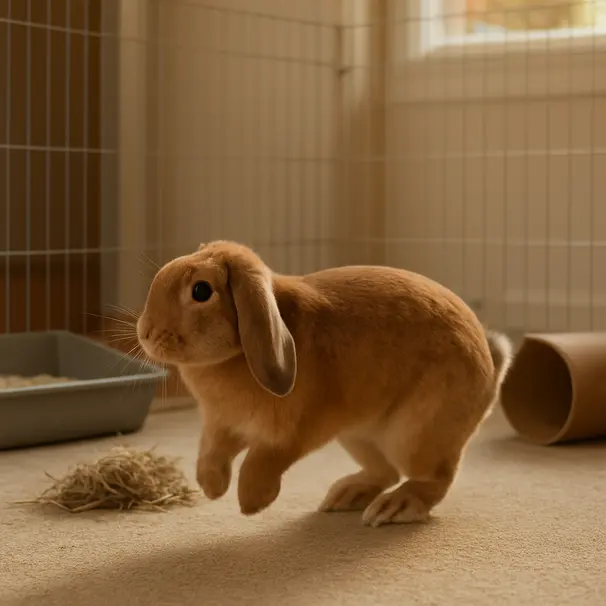
- Rabbits: Active grazers that require space to run, stand on hind legs and use litter areas. They often bond closely to people and animals, and they need time outside an enclosure for exercise.
Consider the pet’s life stage too. Young animals often need more enrichment to burn off energy. Older animals may appreciate softer bedding, lower ramps and quieter spaces.
Minimum sizes and practical cage choices
These are sensible starting points, aimed at creating happier, healthier homes. They are not the only options, and bigger is almost always better.
Hamsters
- Minimum floor space: Aim for at least 3,000–4,000 cm² (about 46 x 46 cm) for Syrian hamsters; dwarf hamsters can do with somewhat smaller footprints, but avoid tiny wire cages.
- Height and levels: Hamsters enjoy tubes and platforms. Provide safe ramps and plenty of chewable hideouts.
- Cage types: Glass aquariums, large plastic modular cages and well-built wire cages with solid bases all work. Ensure good ventilation but no drafts.
Guinea pigs
- Minimum floor space: For one or two guinea pigs, a minimum of 7.5–10 ft² (around 7000–9000 cm²) is recommended. Bigger is better, and long enclosures are preferred to tall ones.
- Layout: Two separate hideouts, feeding zones and open play areas help reduce stress.
- Cage types: C&C (cube and coroplast) setups, large rabbit pens adapted for pigs, and converted low shelving units are popular and practical.
Rabbits
- Minimum floor space: A single rabbit should have at least 12 ft² of enclosed space with access to a safe run for daily exercise. Indoor rabbit-proofed rooms or large pens are ideal.
- Layout: Include a resting zone, litter area and a space for nibbling and playing.
- Housing types: Dog crates converted for rabbits, modular pens, or a rabbit-proofed room. Outdoor hutches can work if they connect to a secure run and offer protection from weather and predators.
Flooring, bedding and comfort
Comfort and safety start with the floor. Wire floors can hurt feet, while soft bedding can reduce stress and support joint health.
- Flooring tips: Avoid wire mesh as the main floor. If a cage has a wire section, cover it with a solid surface or offer ramps and resting boards. For rabbits, choose solid flooring with a non-slip surface.
- Bedding choices: Paper-based bedding, aspen shavings and fleece liners are popular. Cedar and pine shavings may contain oils that can irritate respiratory systems, so consider alternatives.
- Litter training: Many rabbits and some guinea pigs can be litter trained. Use paper-based litter in a low-sided box. Clean daily to keep odors down.
Soft hideouts and nesting materials can help hamsters feel secure. For guinea pigs and rabbits, provide hay in a rack or pile. Hay doubles as bedding, forage and essential fibre for digestive health.
Hideouts, enrichment and social needs
Small pets can get bored quickly. Enrichment keeps them active, reduces stress and can help avoid unwanted chewing or digging behavior.
- Hideouts: Offer at least two hiding spots per pet. Ceramic huts, wooden boxes and cardboard tubes work well for hamsters. For pigs and rabbits, low-sided boxes, tunnels and igloos are popular.
- Chew toys: Safe wood chews, untreated wicker and paper-based toys are great. Rotate toys weekly to keep interest high.
- Foraging: Scatter treats in hay or hide food around the enclosure to encourage natural searching behavior.
- Exercise time: Hamsters may enjoy a solid-surface running wheel (20–28 cm for Syrians). Guinea pigs and rabbits need supervised floor time or a secure run. Free-roaming time in a pet-proofed room provides the best mental and physical stimulation.
Remember that guinea pigs and rabbits are social animals. Consider pairing compatible animals, but introduce them slowly and consult a vet or experienced carer for bonding help.
Cleaning, maintenance and daily care
A clean home keeps pets healthy and lowers stress. Establish a simple routine that fits your lifestyle.
- Daily: Spot-clean soiled bedding, refresh water and check food. Quick checks let you notice changes in behavior or droppings early.
- Weekly: Replace most bedding, wipe surfaces, clean dishes and litter boxes. For rabbits and guinea pigs, wash water bottles and food bowls weekly to prevent bacterial buildup.
- Monthly: Deep clean cages and accessories with pet-safe cleaners. Replace worn toys and inspect ramps and hides for chewing damage.
Use safe cleaning products and rinse thoroughly. If you ever notice persistent sneezing, discharge or appetite changes, consider consulting a vet for advice.
Indoor versus outdoor housing
Some carers prefer outdoor hutches for rabbits and guinea pigs. Others keep all small pets indoors. Both choices can work if you manage temperature, predators and enrichment.
- Outdoor tips: Ensure predator-proofing, insulation for cold nights and shaded areas for hot days. Raised hutches and secure runs help keep animals safer. Consider moving pets indoors during extreme weather.
- Indoor tips: Provide quiet spots away from busy household areas, and protect wiring and houseplants. Indoor pets often enjoy more hands-on interaction and consistent temperatures.
Consider your local climate, the individual animal’s tolerance and how much time you can spend providing enrichment and supervision. Indoor housing often allows closer monitoring of health and behavior changes.
Safety, temperature and ventilation
Small pets are sensitive to extremes. Keep their environment stable and secure.
- Temperature: Most small pets prefer moderate temperatures. Hamsters, guinea pigs and rabbits may be uncomfortable in very hot or very cold conditions. Provide shade, airflow and cool surfaces in summer, and warm bedding or insulation in winter.
- Ventilation: Good airflow helps reduce dampness and ammonia smells. Avoid placing cages in direct drafts or in direct sunlight.
- Escape-proofing: Check latches and grid gaps regularly. Hamsters are expert escape artists. Rabbits may chew wooden frames or dig under pens, so reinforce weak points.
If you notice signs of overheating, lethargy, wheezing or other worrying symptoms, you may want to seek vet advice promptly.
Travel, temporary housing and carers
Short trips and longer vacations are part of pet ownership. Good planning makes transitions less stressful.
- Travel carriers: Use sturdy carriers with solid floors and secure doors. Line them with absorbent bedding and avoid overcrowding.
- Temporary housing: Match the temporary setup to the species’ needs. Provide familiar-smelling bedding and a couple of favorite toys to reduce stress.
- Working with carers: Share routines, feeding amounts, favorite treats and health notes with anyone caring for your pet. A written checklist helps ensure consistency. Mention any anxieties, medical needs or social pairing details.
When choosing a carer from a platform like Floofy, look for experience with the species, references and clear communication. Arrange a meet-and-greet so the pet and carer can get comfortable before the booking.
Common mistakes and easy fixes
A few simple tweaks often make a big difference.
- Mistake: Using the smallest available cage. Fix: Increase floor space and add hiding spots and enrichment.
- Mistake: Wire flooring as main surface. Fix: Add solid resting boards and softer bedding.
- Mistake: One hideout only. Fix: Provide multiple shelters to let the pet choose a safe spot.
- Mistake: Dirty water bottles or bowls. Fix: Rinse and refill daily, deep clean weekly.
Small changes in layout, bedding or enrichment can greatly improve wellbeing. If you’re unsure about a behavior or health sign, a vet check or advice from an experienced carer can help.
Final tips for happy small pets
- Bigger is better: More space means more natural behavior and fewer problems.
- Routine matters: Pets feel calmer with predictable feeding, cleaning and playtimes.
- Rotate toys: Keep enrichment fresh by swapping items regularly.
- Social fits: Match guinea pigs or rabbits thoughtfully, and introduce companions slowly.
- Communicate with carers: Clear notes, photos and routines help anyone looking after your pet feel confident.
Small pets reward patience with lots of personality. A thoughtful home, a few minutes of play and a comfortable, clean environment go a long way. If you’re planning a new setup or want an experienced hand to help, connecting with trusted carers can make the process easier and more fun for everyone.
Resources and next steps
- Make a checklist of space, bedding and enrichment needs before shopping.
- Schedule regular health checks with a vet experienced in small mammals.
- If you’re using a carer, arrange a short trial visit and a clear written routine.
Thanks for caring so much. Little animals have big hearts, and the right home helps them show it every day.