

Small pet nutrition: essential feeding guide for owners and pet carers
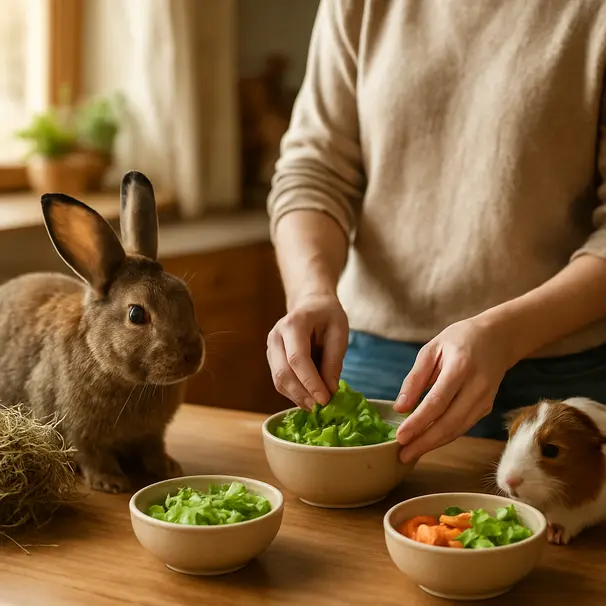
Caring for a tiny friend is a joyful job, and feeding them well is one of the biggest ways you can help them thrive. This guide is for owners and pet carers who want clear, warm, practical advice on feeding small mammals like rabbits, guinea pigs, hamsters, gerbils, rats and chinchillas. I’ll walk you through the basics, share species highlights, and give hands-on tips for daily routines, storage and picky eaters.
Why diet matters for small pets
Small pets have fast metabolisms and unique digestive systems. For many of these species, a diet rich in fiber helps keep their gut healthy and prevents common problems. Good feeding habits can help pets maintain a steady weight, stay energetic, and avoid boredom. For carers, a reliable feeding plan also makes juggling multiple animals easier and reduces the chance of mistakes.
Know your pet: species-specific highlights
Different small pets need different things. Here are the highlights to consider for the most common small-mammal companions.
Rabbits: High-quality grass hay should be the foundation of every rabbit’s diet. Fresh vegetables and a small amount of pellets can round out their nutrition. Many rabbits need extra dental care through chewing, which hay provides.
Guinea pigs: Like rabbits, guinea pigs thrive on grass hay and fresh veggies. They also require vitamin C in their diet because they can’t make it themselves. Some owners add a vitamin C supplement or choose pellets fortified with vitamin C.
Hamsters and gerbils: These species do well on a base of species-appropriate pellets or mixes, supplemented occasionally with fresh vegetables, seeds and small treats. They tend to hoard food, so check for stored items that may spoil.
Chinchillas: Chinchillas need high-fiber, low-fat diets, with a steady supply of timothy or grass hay. Their digestive systems can be sensitive, so sudden changes in diet should be avoided.
Rats and mice: These affectionate little pets do well on balanced pellets plus small amounts of fresh fruit and veg. Rats are omnivores and may enjoy a greater variety of cooked foods, always offered safely and in moderation.
Keep in mind each pet is an individual. Age, activity level and health conditions can change their nutritional needs, so consider a vet check if you’re unsure.
Core nutrition basics everyone should know
No matter the species, a few simple principles help guide good feeding.
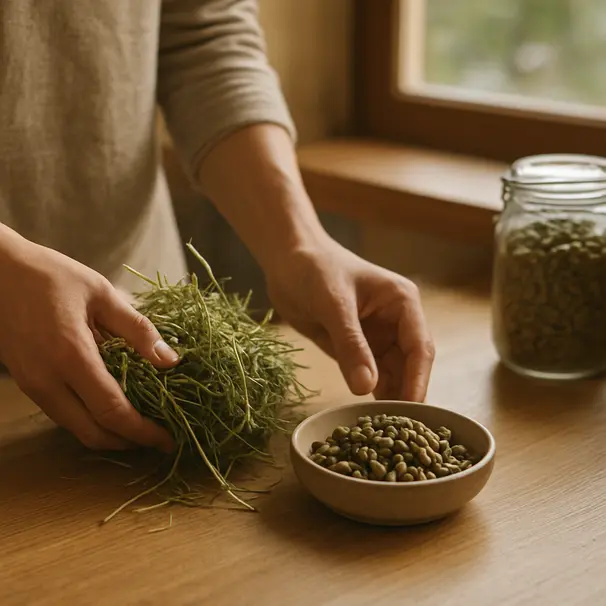
Fiber first: For herbivores like rabbits, guinea pigs and chinchillas, fiber supports digestion and dental wear. Offer unlimited grass hay throughout the day.
Clean water always: Fresh water should be available at all times. Bottles or bowls both work, but check them daily to ensure they are clean and full.
Quality over quantity: Choose hay and pellets from reputable brands, and avoid mixes heavy in sugary treats and colored bits for animals that shouldn’t have them.
Treats are treats: Keep treats occasional and small. Too many can upset digestion or lead to weight gain.
Slow changes: Introduce new foods gradually, over several days, and monitor stool and appetite. Sudden diet changes may cause digestive upset.
Monitor body condition: Learn the healthy body shape for your pet and check it regularly. A little daily observation goes a long way.
If a pet shows prolonged appetite loss, diarrhea or weight change, consider consulting a vet.
Feeding schedules and portion control
Small pets often do best with consistent routines. Here are practical approaches for different species.
Rabbits: Unlimited hay, a measured portion of pellets once or twice a day, and fresh veggies once daily. Adjust pellet amounts for age and weight.
Guinea pigs: Unlimited hay, a small measured amount of pellets, and fresh vegetables daily. Some owners split veggies into two smaller servings to keep them fresher.
Hamsters and gerbils: Offer measured portions of pellets or mix daily, removing old or spoiled leftovers. Provide treats two or three times a week.
Chinchillas: Unlimited hay, a small daily portion of chinchilla pellets, and treats very sparingly due to their sensitive digestive tracts.
Rats and mice: Daily measured pellets, with fresh vegetables or occasional cooked grains as extras.
For pet carers, portioning ahead of visits is a big time-saver. Use labeled containers with owner-approved amounts and note any special instructions on the booking. When in doubt, stick to the owner’s feeding plan and check before making adjustments.
Safe and unsafe foods: quick lists
A short, easy reference will help both owners and carers avoid hazards.
Safe vegetables (in moderation, species-dependent):
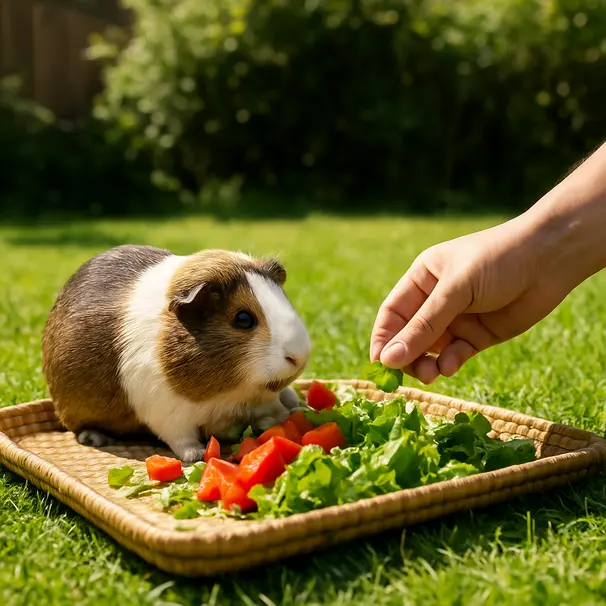
- Romaine lettuce, carrot tops, bell peppers, cucumber, parsley.
Foods to avoid or limit:
- Iceberg lettuce and high-water vegetables in excess, for some species.
- High-sugar fruits and treats should be given sparingly, and only those known to be safe.
Toxic or dangerous foods to avoid entirely:
- Chocolate, onions, garlic, avocado, and anything sugary or caffeine-based.
- Human snacks like chips, cookies, and processed sweets.
Always verify species-specific items before offering new foods. If an owner isn’t sure, suggest vet advice and avoid risky items.
Preparing and storing food like a pro
Good storage keeps food fresh and insects away. Here are practical steps for everyday care.
Hay storage: Store hay in a cool, dry place away from direct sunlight. Use breathable bags or bins. Check regularly for dampness or mold.
Pellet and mix storage: Keep pellets in airtight containers to preserve freshness. Mark the purchase date and use older bags first.
Washing fresh produce: Rinse vegetables and fruit under cool water, and dry them well before serving to prevent bacterial growth.
Portioning for visits: Pre-portion pellets and veggies into labeled bags or containers. For multi-pet homes keep portions separate when pets need different amounts.
Avoid cross-contamination: Use clean bowls and utensils; don’t mix foods between species unless the owner has explicitly approved it.
These small steps make feeding smoother and reduce waste.
Practical tips for pet carers
Carers often balance schedules and varying owner preferences. Here are things that make visits easier and safer.
Communication matters: Ask the owner for clear feeding instructions, allergies, brand names and portion sizes. Confirm any treats or human foods that are allowed.
Keep a log: Note what and how much you offered, the pet’s reaction, and any odd behavior. Owners appreciate a short summary after each visit.
Be consistent: Keep feeding times and presentation similar to the home routine. Pets often calm when they know what to expect.
Handling picky eaters: Try offering a familiar favorite first, followed by new items in small amounts. Warm a vegetable slightly in your hand to release aroma and encourage interest.
Enrichment feeding: Scatter feeding, puzzle feeders and hiding small portions can slow fast eaters and provide mental stimulation. Make sure enrichment methods match the pet’s ability.
Emergency plan: Have a clear plan for signs of distress, like sudden appetite loss or severe diarrhea. Owners should provide emergency contacts and preferred vets.

Life stage, pregnancy and health considerations
Different life stages need tailored care.
Babies and juveniles: Growing animals may need higher-calorie pellet options and frequent monitoring. Discuss acceptable pellet brands with owners.
Pregnant or nursing pets: Nutrient needs often rise. Owners should consult a vet and share any recommended supplements or diet changes with carers.
Seniors: Older pets may need softer foods, smaller portions or more frequent meals. Tooth wear and digestive sensitivity become more common, so watch their body condition closely.
Illness or recovery: If a pet is unwell, follow the owner’s or vet’s feeding instructions precisely and report progress or setbacks.
When in doubt, recommend the owner reach out to their vet for a definitive plan.
Quick-reference checklist for owners and carers
- Unlimited fresh water: Check twice per visit.
- Hay supply: Ensure fresh, dry hay is always available for herbivores.
- Pellets: Measure daily, store in airtight containers.
- Veggies: Wash, dry and offer the owner-approved types and portions.
- Treats: Keep them occasional and small.
- Logs: Record food, appetite, strange behaviors and stool appearance.
- Storage: Rotate supplies and discard any damp or moldy feed.
Final notes and resources
Feeding small pets is part science, part observation, and a lot of love. Keep routines simple, communicate clearly and prioritize safety. Carers who form a friendly rapport with owners and pets can make mealtimes something to look forward to. If you ever notice persistent appetite change, drastic weight loss or worrying stool, consider suggesting a vet visit.
At Floofy, trusted carers and mindful owners make great teams. Use clear feeding plans, labeled portions and brief logs to keep everyone on the same page. Your tiny companion will thank you with curious wiggles, gentle nuzzles and lively energy.
If you’re a new owner or carer, tuck this guide away and share it with your pet-sitting partner. Little changes in feeding habits can add up to big improvements in health and happiness.