

Small pet nutrition essentials every owner and pet carer needs
Caring for a small pet can be one of life’s gentlest routines. Feeding time is about more than filling a bowl. It’s an opportunity to connect, to notice small changes, and to support a long, healthy life. This guide covers the practical basics owners and pet carers should know, with easy checklists and friendly tips you can use today.
Why nutrition matters
Small pets have high metabolic rates and species-specific dietary needs. A well-balanced diet can support energy, digestion, dental health, and behaviour. A poor diet may make a pet sluggish, fussier, or more prone to weight issues. Keep in mind, this article offers practical ideas, and you should consider consulting a vet when you notice significant changes in appetite or behaviour.
Know your species: diets are not interchangeable
Small pets aren’t a single food group. Rabbits, guinea pigs, hamsters, chinchillas, rats, and ferrets all have different needs. As a pet carer, the first rule is: learn the individual requirements for the species you care for.
Rabbits
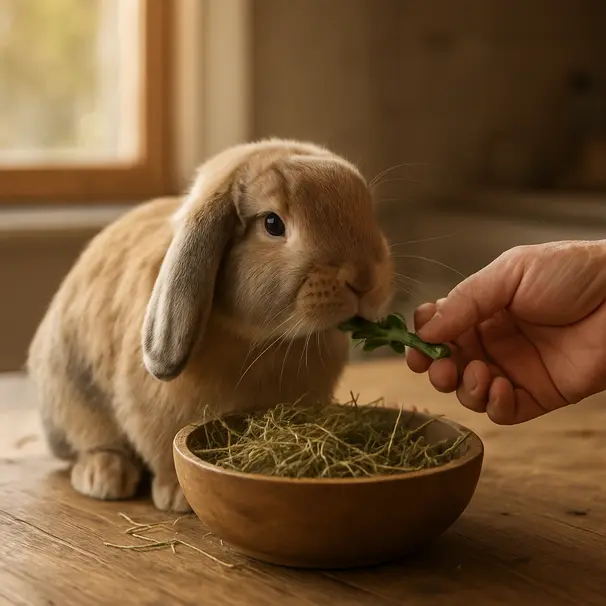
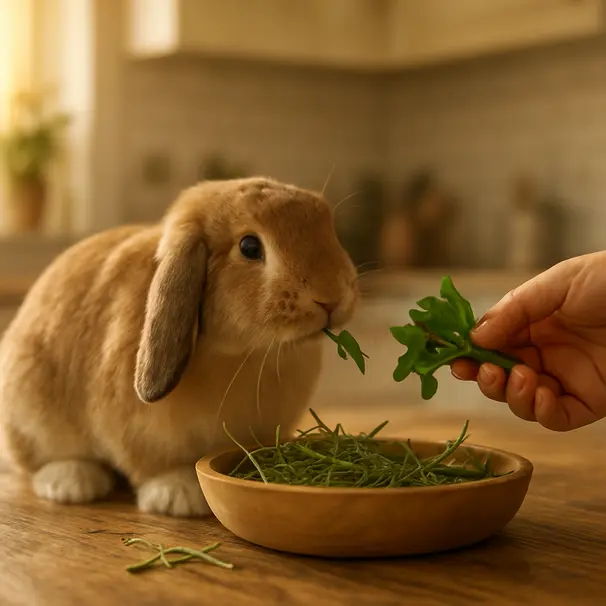
Rabbits need high-fibre diets to keep their digestion moving and to wear down continuously growing teeth. Good-quality grass hay should make up the bulk of their intake. Pellets can be included depending on age and body condition. Fresh leafy greens add variety and hydration.
Guinea pigs
Guinea pigs share the fibre needs of rabbits but also require dietary vitamin C because they can’t make enough on their own. Fresh greens rich in vitamin C and good-quality pellets formulated for guinea pigs are useful. Avoid high-sugar treats.
Chinchillas
Chinchillas need very high fibre and low-fat diets. They’re especially sensitive to sugars and fresh vegetables, which can cause digestive upset. Hay and specially formulated pellets are the safest staples.
Hamsters, gerbils and mice
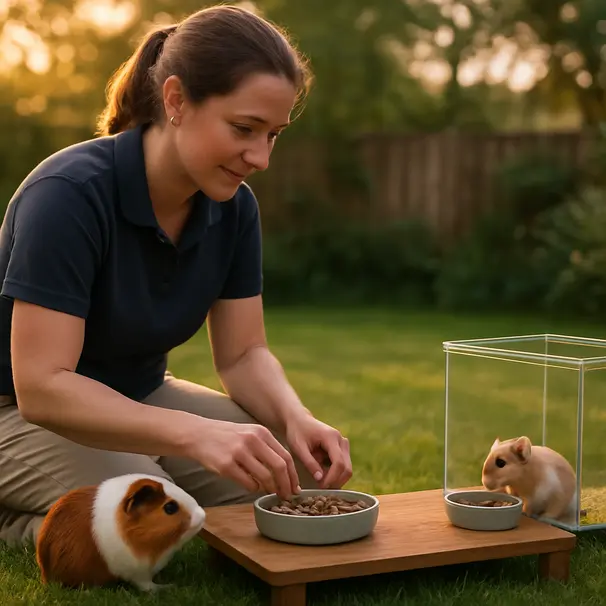
These rodents need a balanced seed and pellet mix, with small amounts of fresh vegetables and supervised treats. Portion control matters, since many small rodents will overeat calorie-dense seeds.
Rats
Rats are omnivores and can enjoy a wider range of foods, including small amounts of cooked vegetables and proteins. A quality rat pellet plus fresh produce is a solid approach.
Ferrets
Ferrets are obligate carnivores and need a meat-based, high-protein diet. Many commercial ferret diets or high-protein kitten foods may be suitable, but check ingredients and consider vet advice for any special needs.
Staples: hay, pellets, fresh greens, and water
Some foods are common across many species, but portions and choices differ.
- Hay: For rabbits, guinea pigs, and chinchillas, fresh grass hay (timothy, orchard, or meadow hay depending on age) should be the foundation. Offer hay constantly, and replace any soiled or damp hay promptly.
- Pellets: Use species-specific pellets. Pellets for rabbits and chinchillas are high-fibre; guinea pig pellets often include added vitamin C. Read labels and avoid mixes where the pellet portion is a tiny fraction of the bag.
- Fresh greens: Introduce a variety of leafy greens slowly, watching for digestive upset. Aim for a mix of mild lettuces, herbs, and dark leafy greens; avoid iceberg lettuce for its low nutrition and potential to cause loose stools.
- Water: Fresh, clean water should be available at all times. For many small pets, water bottles are common, but some prefer shallow bowls. Check water delivery devices daily for blockages and cleanliness.
Feeding routines and portion control
Consistency is comforting. Most small pets do best with a predictable routine and measured portions.
- Create a simple daily schedule. Morning and evening checks are often all that’s needed for most small pets, with hay refills as required.
- Measure pellets. Use a small scoop or kitchen scale to avoid overfeeding. Packaging recommendations can be a starting point, but adjust for each pet’s age, activity level, and body condition.
- Watch treats. Treats should be limited to a small percentage of the daily intake. Fresh fruit is often high in sugar; offer tiny pieces for occasional rewards.
- Keep a feeding log. If you’re a carer looking after several animals, a short note about amounts, any refusals, and odd stools can be invaluable to the owner and the vet.
Portion hints by pet type (general guidance)
- Rabbits: Unlimited hay, a small measured portion of pellets (amount depends on size and age), a handful of greens each day.
- Guinea pigs: Unlimited hay, measured pellets with vitamin C, several cups of fresh greens daily.
- Chinchillas: Unlimited hay, small measured pellets, treats only rarely.
- Hamsters/gerbils: Measured daily mix, fresh veg in tiny portions, store seeds out of reach to prevent overeating.
Note: These are starting points. Always check with a vet for breed-specific or age-specific advice.
Safe treats and common foods to avoid
A few foods are delightful but risky. Use caution and take this checklist along when you care for unfamiliar animals.
- Safe occasional treats: small pieces of apple, carrot, banana, or raisin for some species, yogurt drops for specific rodents, and commercial treats made for the species.
- Foods to avoid: chocolate, caffeine, onions, garlic, avocado, and anything moldy are generally dangerous. Some seeds and nuts can be too fatty for small pets. Always check for species-specific toxicities.
- Human food risks: Bread and pasta are not appropriate staples and can cause digestive upset. Spicy or salted foods should never be offered.
When in doubt, skip it and consult the owner or a vet.
Supplements and special diets
Most pets that eat balanced hay and species-appropriate pellets won’t need supplements. However, some animals may benefit from extras under vet guidance.
- Vitamin C supplements: Consider for guinea pigs if their diet or produce intake is low.
- Fibre supplements: For rabbits with poor hay intake, a vet may recommend changes to increase fibre.
- Special needs diets: Young, pregnant, nursing, senior, or recovering animals may need altered rations. A vet can help tailor a plan.
Avoid adding human supplements without professional guidance. Over-supplementing can cause harm.
Reading labels: what to look for
Pet food labels can be confusing. Focus on a few helpful points.
- Ingredients list: The first few items should be recognisable and appropriate to the species. For herbivores, fibre sources like grass or hay indicate a better formula.
- Guaranteed analysis: Check fibre, protein, and fat percentages. High fibre is good for rabbits and chinchillas. High protein and fat may suit ferrets but not herbivores.
- No fillers or sugary mix-ins: Avoid foods that rely heavily on sugary bits or dried fruit as the main attraction.
- Manufacturing date and storage instructions: Buy smaller quantities that you can store fresh, and keep dry foods in airtight containers.
Transitioning diets safely
If you need to change a pet’s diet, do so gradually over 7–14 days. Start by mixing a small amount of the new food with the old, and slowly increase the new ratio while reducing the old.
Signs that a transition is going smoothly include consistent droppings, normal appetite, and regular activity. If you notice loose stools, loss of appetite, or lethargy, pause the transition and check with the owner or a vet.
Tips for pet carers: communication, storage, and record-keeping
Carers are the bridge between owners and pets. Clear communication and simple routines make life easier for everyone.
- Ask for a concise feeding plan: preferred brand, portion sizes, favourite greens, and any past sensitivities.
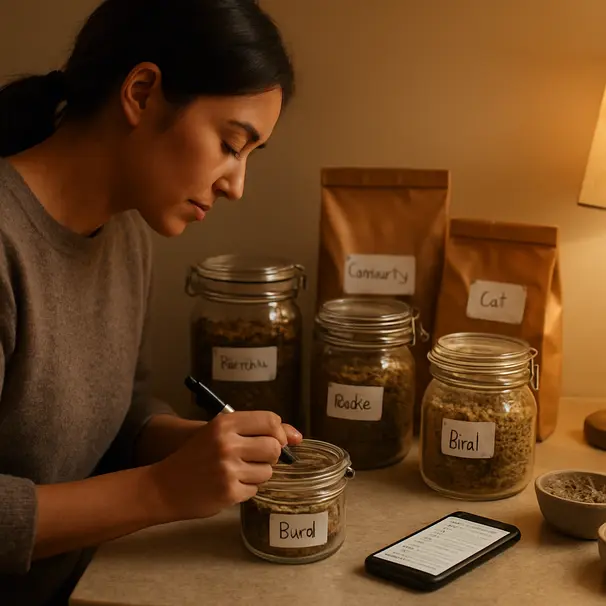
- Label everything: use airtight containers labeled with the pet’s name, food type, and opening date.
- Bring a daily log: jot down what was offered, what was eaten, any treats, and notable behaviour changes.
- Keep emergency contacts: owner phone, vet clinic, and any special instructions should be easy to find.
- Weigh pets occasionally: a weekly or biweekly weight check helps spot gradual changes.
Small touches count. If a pet seems anxious around a new carer, offer food in a calm corner and give the animal time to approach.
Enrichment through food
Food can be enrichment. Hiding small portions in safe foraging toys, scattering hay around a play space, or offering different textures can keep a pet mentally engaged. Rotate toys and food puzzles to maintain interest.
Be mindful of mess and hygiene. Wet or perishable enrichment items should not be left long, especially in warm weather.
Handling emergencies and when to contact a vet
Some signs that immediate advice may be needed include refusal to eat for more than 24 hours, severe diarrhoea, breathing difficulties, or sudden collapse. Also seek guidance if you notice anything unusual in droppings or behaviour.
If in doubt, contact the owner and suggest veterinary consultation. Fast communication and careful notes make it easier for professionals to help.
Shopping and storage: practical tips
- Buy small, frequent supplies to keep food fresh.
- Store dry foods in cool, dry, airtight containers.
- Keep hay in breathable bags or bins to avoid moisture buildup.
- Check expiration dates and smell for any off odours before serving.
Final checklist for owners and carers
- Know the species-specific staples and portion sizes.
- Keep high-quality hay available for herbivores at all times.
- Measure pellets and limit treats to small amounts.
- Introduce new foods slowly over a week or two.
- Label food containers and keep a short feeding log.
- Offer fresh water daily and check delivery devices.
- Avoid toxic human foods and moldy items.
- Consult a vet for supplements or if appetite or behaviour changes.
Feeding a small pet is a hands-on way to show love. With a little planning, clear communication, and attention to details, owners and carers can make feeding time safe, enjoyable, and nourishing for every tiny floof.
If you’re a carer, keep this guide handy and don’t hesitate to ask owners for clarifications. If you’re an owner, a short, written feeding plan makes life easier for anyone who looks after your pet. Both roles help keep small friends thriving.