

Small pets in apartments: a warm, practical guide
Keeping a small pet in an apartment can be one of the most rewarding parts of city living. These little companions fit into compact spaces, bring daily joy and teach us responsibility. Still, apartment life brings specific challenges for rabbits, guinea pigs, hamsters, rats, budgies and other small pets. This guide gives clear, practical tips for both owners and pet carers so small animals have safe, enriched lives in tight quarters.
Who this guide is for
This article is written for busy apartment-dwelling owners and the trusted carers they hire through platforms like Floofy. You’ll find checklists, housing ideas, enrichment tricks and safety pointers you can use immediately. The tone is friendly and practical, with realistic tips that respect apartment constraints and animal needs.
Choosing a suitable small pet for apartment living
Space, noise rules and your schedule should shape your choice.
- Consider the species’ activity level. Hamsters can thrive in smaller habitats and shorter handling sessions, while rabbits and guinea pigs need more floor time and social interaction.
- Think about noise and neighbors. Some rodents are nocturnal and may be active at night. Birds can be loud, and ferrets may vocalize and require ventilation.
- Check building rules, lease agreements and pet policies before bringing a pet home.
If you’re unsure, chat with experienced pet carers or rescues. They can help match personality and lifestyle to the right companion.
Housing and setup: compact, comfortable and safe
Good housing in an apartment is about smart layout and routine, not square footage.
Cage and habitat basics
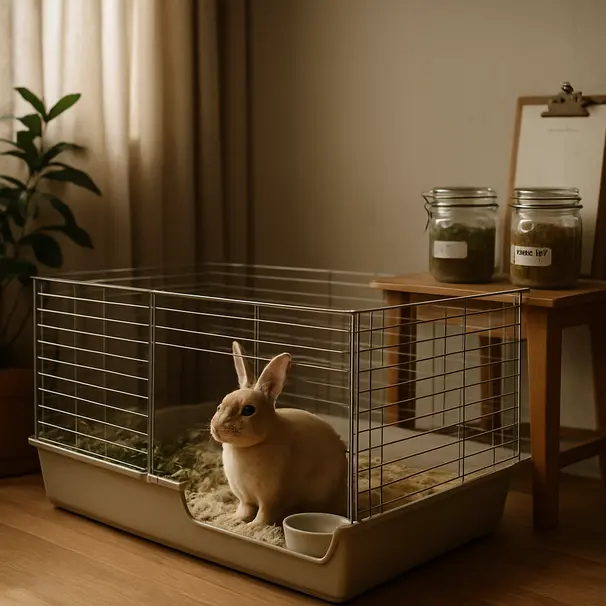
- Choose the largest safe enclosure you can fit. Bigger is almost always better, especially for rabbits and guinea pigs.
- Opt for solid floors or low-rise pans rather than wire bottoms to protect feet. Add absorbent bedding that matches the species.
- Ensure proper ventilation and temperature. Avoid placing cages near radiators or drafty windows.
Space-saving placement
- Use vertical storage and shelving for supplies, but keep habitats at ground level for safety and easy access.
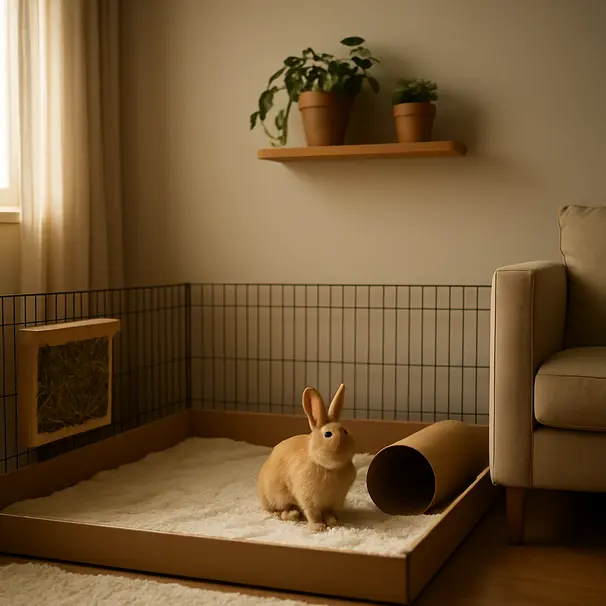
- Consider playpens or exercise pens for supervised out-of-cage time in the living room. These are foldable when not in use.
- Keep clear paths and low furniture clutter so pets can safely explore supervised areas.
Daily enrichment and exercise: keeping minds sharp
Small pets can get bored quickly in small spaces. Enrichment keeps them healthy and calm.
Simple enrichment ideas
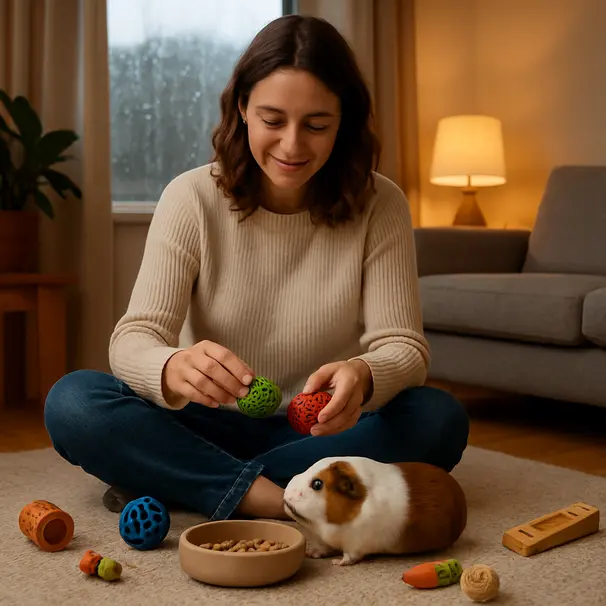
- Rotate toys and hideaways weekly, so novelty sticks. Cardboard boxes, toilet roll cores and untreated wood blocks are cheap and effective.
- Foraging bowls and food puzzles slow down eating and spark curiosity.
- Gentle tunnels and star-shaped cardboard mazes offer habit-building exploration.
Play and supervised time
- Schedule short, consistent out-of-habitat sessions every day. A rabbit may appreciate two or three supervised sessions of 20–40 minutes, while a hamster might have shorter bursts of activity.
- Teach carers and family members how to handle pets calmly. Sudden movements or loud voices stress small animals.
Feeding and nutrition: small plates, big impact
Diet mistakes show up quickly in small animals, so keep it simple and species-appropriate.
- Offer high-quality hay for herbivores like rabbits and guinea pigs, fresh greens daily and a timed portion of pellets as recommended.
- For omnivorous species like rats, give balanced commercial diets with occasional fresh fruit and cooked vegetables as treats.
- Limit sugary treats and avoid processed human food. Always research toxic foods for your species, and consider consulting a vet for diet plans.
Label feeding containers and write clear feeding instructions for carers, noting portions, times and any brand preferences.
Grooming, hygiene and odor control
Apartment life makes grooming and cleaning routines more important. A clean habitat helps you keep both pets and neighbours happy.
- Spot-clean bedding daily and do a full clean weekly for small cages, or more often for larger habitats used by gnawing animals.
- Brush long-haired breeds daily to prevent mats. Nail trims for rabbits, guinea pigs and small dogs may be needed monthly.
- Use unscented, pet-safe litter and change trays regularly to reduce odours.
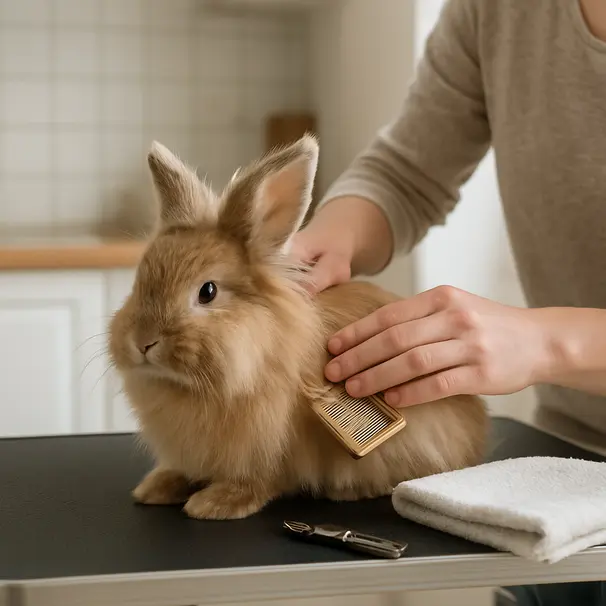
Consider a gentle grooming station in a tiled bathroom or quiet corner of the kitchen. Keep grooming tools separate for each pet and write down any grooming quirks for carers.
Health basics and working with a vet
I’m not giving medical advice here, but a few practical safety tips help you spot concerns early.
- Keep a list of your vet’s contact details and the nearest emergency clinic near your home. Share this with any carer.
- Watch for changes in appetite, droppings, activity or social behaviour. These can signal anything from stress to dental issues in rabbits and rodents.
- Schedule routine check-ups and dental exams as needed. For many small mammals, teeth overgrowth can be common and may require trimming or treatment.
When in doubt, ask your vet. A quick message or photo can sometimes clarify whether a visit is needed.
Social needs and bonding
Many small pets are social, and loneliness can lead to behaviour problems.
- Guinea pigs thrive in pairs or small groups, while rabbits often prefer a bonded buddy. Introduce companions slowly and under supervision.
- If you have a single social species, plan extra time for play and human interaction, or hire a carer to provide weekday companionship.
- Teach carers how to read body language. A relaxed rabbit will stretch and groom; a scared one will sit hunched and quiet.
Safety checks and apartment-proofing
Keep your space safe for curious noses and teeth.
- Hide electrical cords, secure loose blinds and remove toxic plants. Small pets chew, so anything within reach should be pet-proofed.
- Use chew-proof barriers for baseboards if a rabbit has daily floor time. Temporary shields can prevent costly damage and protect pets from ingesting harmful materials.
- Keep household cleaners, medicines and small choking hazards locked away.
Noise, neighbours and considerate living
Small pets can be noisy at unexpected times. Managing sound reduces conflicts.
- Choose a calm corner of the apartment for habitats, away from loud streets and shared walls if possible.
- Use rugs and soft furnishings to absorb sound. A thicker habitat floor liner can also minimize rumbling from running wheels or play.
- Communicate with neighbours. A simple “I’ll keep things tidy and check noise” goes a long way.
Daily and weekly routines for owners and carers
Routine brings comfort to small pets. Share this with any carer to keep continuity.
Daily checklist:
- Fresh water refill and bowl cleaning
- Food portioning and fresh greens
- Quick spot-clean and bedding check
- Five to thirty minutes of supervised out-of-habitat time
Weekly checklist:
- Full habitat clean and bedding replacement
- Toy rotation and inspection for wear
- Nail checks and light grooming
- Health observation notes to track any changes
Leave a laminated sheet with these routines and any special notes for carers. Visual reminders are quick to follow and reduce mistakes.
Transport, sitters and handoffs
Smart planning makes transitions stress-free for pets and carers.
- Use a well-ventilated carrier or travel cage suitable for the species. Line it with familiar bedding to reduce anxiety.
- For longer absences, arrange a consistent carer who knows the pet’s routine, meals and quirks. A short trial visit helps the pet warm up to the carer.
- Leave detailed written instructions: feeding, cleaning, vet contacts and emergency permissions. Include photos of normal droppings, body condition and typical behaviour so carers can detect change.
Emergency preparedness
A basic plan keeps everyone calmer if something goes wrong.
- Post emergency contacts, including a 24/7 clinic, on the fridge and share with carers.
- Keep a small pet first aid kit: absorbent pads, saline for flushing eyes, tweezers, and a list of safe household items for heat packs. Know your vet’s advice on first-aid steps.
- If a pet shows sudden distress, pale gums, breathing difficulty or collapse, seek veterinary attention promptly.
Working well with pet carers
A good working relationship keeps pets comfortable and owners confident.
- Do a meet-and-greet before the first sitting. Let the carer observe handling, feeding and cleaning routines.
- Be clear about permissions for vet visits, medication and overnight stays. Put these in writing.
- Give feedback. If a carer changes a routine in a way that unsettles your pet, explain calmly and show the preferred method. Most carers want to do the right thing and appreciate constructive notes.
Troubleshooting common apartment problems
Boredom: Add foraging toys, rotate enrichment, and schedule short, frequent play sessions.
Odour: Increase spot cleaning, switch to higher-absorbency bedding, and place a small air purifier nearby.
Chewing furniture: Use chew deterrent sprays suitable for pets, add approved chew toys, and limit unsupervised floor time.
Night noise: Provide sheltered hideouts and make daytime activities more engaging so pets rest at night.
Final checklist: quick reference for owners and carers
- Habitat size and location approved by household
- Daily feeding and cleaning routine posted
- Vet and emergency contacts visible and shared
- Enrichment rotation plan in place
- Transport carrier and handling instructions provided
- Spare key, permission notes and any medication labeled
A calm close
Small pets bring big hearts into small spaces. With thoughtful housing, predictable routines and clear communication between owners and carers, apartment life can be comfortable and joyful for both animals and humans. Keep notes handy, keep things simple and remember that consistency and kindness are the best tools you have. If you ever feel uncertain, reach out to a vet or an experienced carer for tailored advice. Happy fluffing and gentle cuddles!