


Smart questions for your dog’s vet visit
Going to the vet can bring up a lot of feelings. You might be anxious, relieved, curious, or all of the above. That’s normal. A visit is a team effort between you, your dog, and the veterinary team. The better the conversation, the clearer the plan will be. Below you’ll find friendly, practical questions organized by topic, plus tips on preparing for the appointment, what to bring, and how to follow up.
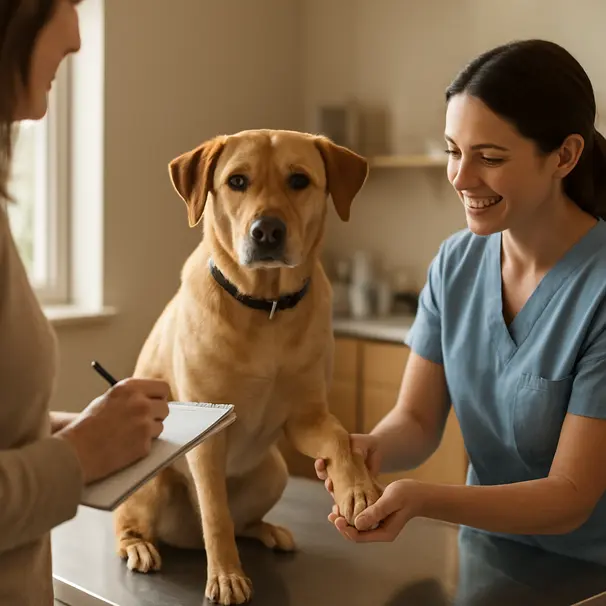
Before you go: quick prep that pays off
A little preparation makes vet visits smoother and helps you get the most from your time. Try these steps before you step into the clinic.
- Gather basics: vaccination records, a list of current medications and supplements, and any notes about changes you’ve noticed.
- Write down questions: small sticky notes or a phone note can keep you focused during the appointment.
- Observe and record: keep a short diary for a week if your pup has odd behaviors, digestive changes, or joint stiffness. Note times of day, activities, and any patterns.
- Trim nails and brush teeth if your dog tolerates it. Being able to show the vet a clean mouth or calm paws can help.
Practical question to ask yourself before you leave: What one change worried me enough to book this appointment? That will help set the priority for the visit.
Start with the basics: general health questions
These are warm-up questions that help both you and the vet build a clear picture.
- How would you describe my dog’s overall body condition? Is their weight healthy for their breed and age?
- Are there any concerning lumps or skin changes you’d want me to watch?
- How often should I bring my dog for routine checkups? Is this schedule different given their age or health?
- Are there any screening tests you recommend now, such as bloodwork, urine testing, or parasite checks? What can these tests tell us?
Why ask these: regular checkups and targeted screenings can help catch changes earlier. Use the vet’s answers to create a simple calendar or reminder plan.
Behavior and training: what to bring up
Behavior can signal medical or emotional needs. Sometimes a small question leads to a big improvement.
- I’ve noticed [specific behavior]. Could this be medical, anxiety-related, or training-related?
- What signs would indicate pain in dogs similar to mine? Are there subtle cues I should watch for?
- How can I manage reactive behavior during future vet or grooming visits? Any tips to make appointments less stressful?
- Would you recommend a behavior specialist or trainer, or can we try changes at home first?
Be specific when describing issues. Instead of saying “my dog is aggressive,” try “my dog lunges at other dogs on walks and growls when approached.” Small details help the vet make better suggestions.
Nutrition and weight: practical questions that help daily life
Food is one of the easiest ways to influence health. Ask your vet to help you tailor feeding to your dog’s life stage and needs.
- Is my current food appropriate for my dog’s age, activity level, and health needs?
- How should I measure portions? Can you recommend a daily calorie target or portion guideline?
- Are there supplements worth considering for my dog, such as joint support or probiotics? What should I look for and what should I avoid?
- If my dog needs to lose or gain weight, what pace is safe and what changes would you suggest?
Tip: Bring the bag or label of your dog’s food so the vet can see ingredients and calorie info. That saves time and prevents guesswork.
Preventive care: vaccines, parasite control, and dental health
Prevention keeps pets happier and can reduce stress for everyone.
- Which vaccines do you recommend for my dog’s lifestyle and local risks? Are any optional for my situation?
- What parasite preventives do you suggest for fleas, ticks, heartworm, and intestinal worms? How often should I give them?
- How often should we do dental checks or professional cleanings? Are there at-home dental care options that are effective?
- Are there local or seasonal health risks I should be extra aware of?
Ask about pros and cons, not just if something is needed. That helps you weigh costs, scheduling, and comfort for your dog.

Medications and supplements: clear, safe questions
It’s fine to be cautious about pills and supplements. Get clarity so you follow a safe plan.
- Can you review the medications and supplements my dog is taking? Are there interactions or redundancies?
- What side effects should I watch for with each medication? When should I call the clinic?
- How long should a medication be continued, and what’s the best way to stop it if needed?
- If my dog refuses pills, can you suggest alternatives like liquids, injections, or compounding methods?
Ask the vet to write instructions in clear language, and confirm doses by repeating them back. That simple step reduces mistakes.
Special care for seniors: extra questions for older dogs
Older dogs often need small changes that make a big difference in comfort and mobility.
- Are there age-related screenings you recommend now, such as thyroid checks, kidney panels, or arthritis assessments?
- What signs of cognitive change should I watch for, and are there strategies that may help?
- How can I modify the home environment to help my senior dog, for example ramps, bedding, or exercise changes?
- Are there pain management options we should consider? What are the risks and benefits?
Consider asking for a simple written plan that lists daily care adjustments and when to schedule rechecks.
Emergencies and warning signs: questions to keep handy
It’s comforting to leave the clinic knowing what to watch for at home.
- Which symptoms require immediate attention or an emergency visit?
- If I’m unsure, what’s a good rule of thumb for calling vs waiting until the next day?
- Do you offer after-hours care, or can you recommend an emergency clinic nearby?
Write these down and keep them on the fridge or on your phone with quick access.
Practical logistics: costs, follow-up, and records
Finances and timing matter, so be direct and practical.
- What is the expected cost range for the recommended tests or treatments? Is there a staggered approach if I want to prioritize?
- How will we follow up after tests? When can I expect results, and how will you contact me?
- Can I get copies of test results and records to keep or share with a specialist? Do you offer a digital portal?
- If treatments are needed, what are the next steps and timelines?
A transparent conversation helps you plan and reduces surprise bills.

After the visit: making a clear home plan
After you leave, the work of caring at home starts. Use the vet’s guidance to build a realistic plan.
- Summarize the plan: Repeat the main takeaways out loud to the vet and write them down as you go.
- Set a timeline: When do medications start, and when is the next checkup? Add reminders to your phone.
- Create a simple checklist: daily meds, activity limits, wound care steps, feeding adjustments.
- Keep the lines open: Ask how quick questions are best communicated, through the portal, phone, or text.
Small, concrete steps help both you and your dog settle back into routine after the appointment.
Conversation tips to get the most from the appointment
A vet visit is a conversation. Try these friendly habits to keep it useful and calm.
- Prioritize: Start with the most important issue so it gets full attention.
- Be specific: Describe what you see and when it happens. Timelines and triggers matter.
- Ask for examples: If a term is unclear, ask the vet to explain with examples.
- Request written instructions: A short note or a printed plan helps avoid misunderstanding.
- Bring someone with you if your dog is anxious or strong on leash. A second pair of hands or ears is helpful.
Printable checklist: what to bring to the appointment
- Vaccination and medical records, or access to them in an app.
- A list of current medications and supplements with doses.
- Notes about behavior, appetite, bathroom habits, and recent changes.
- A favorite toy or treat for rewards and comfort.
- A leash and a muzzle if your dog can bite when scared. Safety first.
Final thought: you’re your dog’s best advocate
Vets are experts, but you are the one who knows your dog’s daily life. Ask questions kindly and clearly. If something doesn’t make sense, ask again. A good appointment leaves you feeling more confident, with a clear plan and a sense that your dog’s care is practical and doable. Small steps, steady care, and thoughtful questions can make a big difference for your pup.
If you’d like, print this post and bring it to your next appointment. It can help you keep the conversation focused and productive, and it shows your vet you’re engaged in your dog’s wellbeing.