

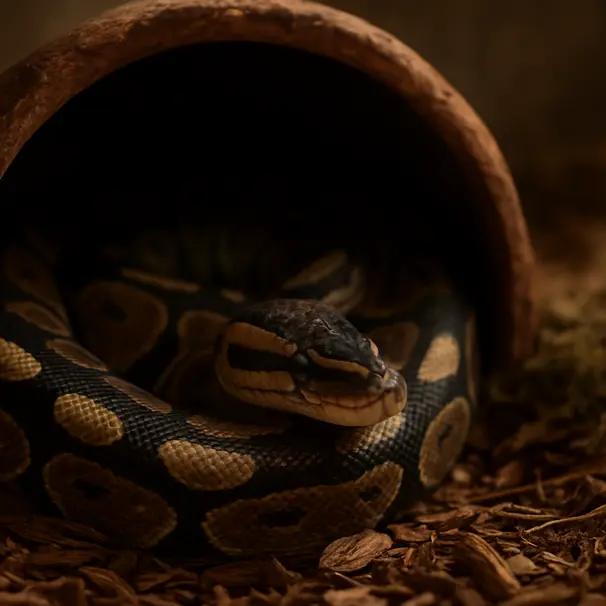
A warm welcome to snake care
Snakes are quietly fascinating pets. They move with a calm confidence, have personalities that unfurl over time, and can be delightful companions for owners and carers who learn how to meet their needs. This guide is written for pet owners and trusted carers who want clear, practical steps to keep snakes healthy and comfortable. Think of it as the sort of advice you would get from a fellow reptile lover over coffee, with a little checklist tucked in your pocket.
Know the species: start with research
Different snake species have very different needs. A ball python prefers warmth and hides, a corn snake enjoys more humidity flexibility, and garter snakes may have specific dietary quirks. Before taking on care for any snake, learn these basics:
- Scientific and common name, average adult size
- Typical temperament and activity cycle
- Preferred temperature and humidity ranges
- Usual diet and feeding frequency
- Special handling notes or known stress triggers
If someone asks you to care for a pet snake, ask for this information in writing. A quick reference sheet prevents guesswork and helps avoid stressful surprises.
Housing and enclosure essentials
A secure, species-appropriate enclosure is the foundation of good care.
Size and security
- Enclosure should allow the snake to stretch out fully and move around a bit. Bigger is usually better for activity.
- Ensure lids and doors lock securely. Escapes happen when enclosures are not tightly sealed.
Heating and temperature gradients
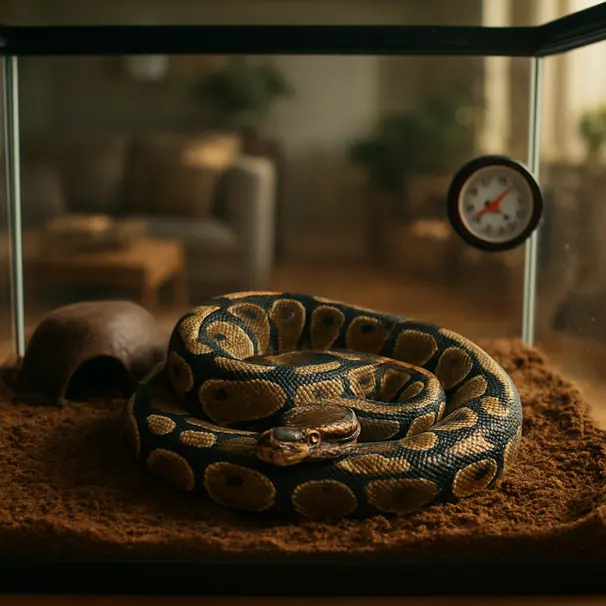
Snakes are cold-blooded, they rely on external heat sources to regulate body temperature. Provide a gradient: a warm side for basking, and a cooler side to retreat to.
- Use thermostats and reliable thermometers. Consider digital probes placed at both warm and cool ends.
- Typical basking spots vary by species, but many common pet snakes like ball pythons prefer a warm hide around 88–92°F, with the cool side near 75–80°F. Check species-specific ranges.
Humidity and substrate
- Humidity supports shedding and respiratory health. Provide a moist hide or adjust substrate and water dish size to help regulate humidity.
- Choose substrate that suits the species. Aspen, coconut fiber, or paper-based substrates are common, but wet substrates can lead to rot in some species.
Hides, décor, and lighting
- At least two hides, one on each temperature zone, lets the snake feel secure while thermoregulating.
- Branches and low climbing structures can add enrichment for semi-arboreal species.
- UV lighting is not strictly necessary for every species, but some reptiles may benefit from low-level UV; research the species and consider UV if recommended.
Feeding and nutrition, simply explained
Feeding can be one of the most rewarding parts of caring for a snake, and also a moment to be cautious.
Diet basics
- Most pet snakes eat pre-killed rodents. Larger or specialist species may require different prey. Ask the owner for the exact feeding plan.
- Feed according to the snake’s size. Prey should be roughly the same width as the snake’s widest part.
Frequency and monitoring
- Young snakes typically eat more frequently than adults. For many species, juveniles feed every 5 to 7 days, adults every 7 to 14 days or longer.
- Watch for changes in appetite, weight loss, or regurgitation. These signs may suggest stress, improper temperatures, or health issues and you should consider consulting a vet.
Safe handling during feeding
- Avoid handling for at least 24 to 48 hours after feeding to prevent regurgitation.
- Use tongs to present prey to reduce the chance of accidental bites. Keep eyes on the snake’s behavior, look for calm acceptance or signs of stress.
Handling and building trust
Snakes can grow accustomed to gentle, consistent handling. Handle in short sessions and let the snake explore at its own pace.
- Support the body evenly, avoid dangling the snake from one point.
- Move slowly, avoid quick reaching motions that may startle the snake.
- Pay attention to body language. Rapid tongue flicking is normal curiosity. Tight coiling, hissing, or striking posture means back off and try again later.
If a snake seems defensive or stressed, give it time. Repeat short, calm interactions rather than long, invasive sessions.

Shedding, hygiene, and routine care
Shedding is a natural process. You can help make it comfortable.
- Before shedding, eyes may look cloudy and the skin dull. Provide slightly higher humidity and a moist hide to help the process along.
- After shedding, inspect the skin for retained eye caps or stuck scales, and gently assist only if the owner or a vet advises it.
- Keep a daily eye on the water dish. Clean and refill water frequently. Many snakes soak occasionally, especially during shed.
Clean the enclosure regularly. Spot-clean waste daily and perform deeper cleans on a schedule appropriate to the substrate and the snake. Use reptile-safe disinfectants and avoid strong fragrances.
Common health signals and when to consult a vet
Snakes often hide illness. A few signs to watch for:
- Refusal to eat for more than a couple of feedings, especially with weight loss
- Labored breathing, wheezing, or discharge from mouth or nose
- Abnormal shedding or retained eye caps
- Unusual lumps, bumps, or changes in skin texture
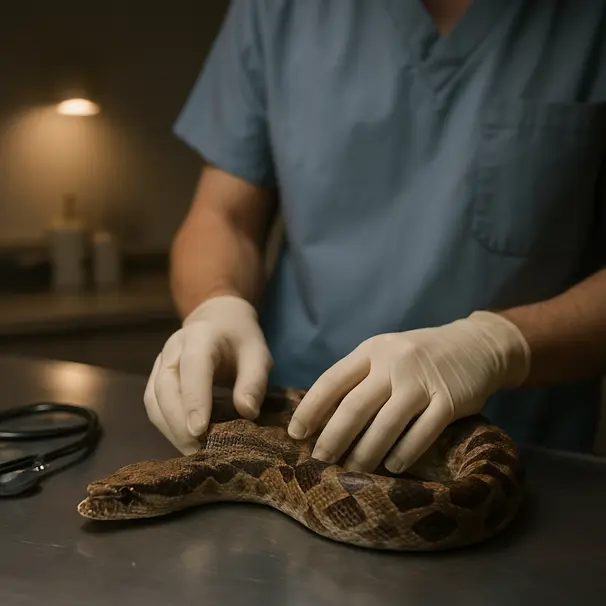
These signs may suggest anything from environmental stress to infections or parasites. Consider reaching out to a reptile-savvy vet. Use phrases like “may indicate” or “could be” when describing symptoms to owners, and encourage a professional assessment.
Enrichment and mental wellbeing
Enrichment helps prevent boredom and promotes natural behaviors.
- Offer different textures and hiding options, rotate décor occasionally.
- Provide low branches for climbing species, and a variety of hide shapes and sizes.
- Scent enrichment can be simple: placing a scent towel briefly in the enclosure can encourage exploration, just avoid strong or irritating smells.
Keep changes gradual. Sudden overhauls to the enclosure or lighting can stress a snake.
Cleaning, maintenance, and record keeping
Good carers keep tidy notes. A simple log helps track feeding, sheds, weight, and any unusual behavior.
- Daily: spot-clean feces and uneaten food, refresh water, quick glance at temperatures and humidity.
- Weekly: check thermometers and hygrometers, clean water dish thoroughly, remove soiled substrate areas.
- Monthly: deeper clean and substrate replacement as needed, inspect hides and enclosure seals.
Record any medical treatments or visits, along with the date and what was done. This protects both the owner and the carer, and it helps a vet with a clear history if needed.
Transporting snakes and carer handover tips
If you are moving a snake or caring for one away from its usual home, plan ahead.
- Use a secure, well-ventilated transport box with padding. Avoid loose bags or cages that could allow escape.
- Keep transport times short and temperatures stable. Avoid direct sunlight in cars and never leave a snake unattended in hot or cold vehicles.
- During handover, ask the owner to show you the routine: feeding schedule, preferred prey type, temperature settings, handling preferences, and a vet contact. Get consent about treatment decisions and whether you should contact the owner first for nonurgent issues.

Building a care routine checklist for carers
Here’s a short checklist to keep handy during a pet-sitting visit:
- Confirm feeding schedule and prey type.
- Verify thermostat settings and note temperatures on both warm and cool ends.
- Refill and clean water dish, check humidity levels.
- Spot-clean enclosure and remove any waste.
- Gently observe snake behavior for 10 minutes, note any concerns.
- Log any feeding attempts, shedding progress, or unusual signs.
- Communicate with the owner at agreed intervals and provide photos if they like.
Final thoughts and a little reassurance
Caring for snakes can feel intimidating at first, but a calm, methodical approach goes a long way. Most snakes do well with consistent temperatures, clean water, secure hides, and predictable feeding. If something seems off, leaning on a reptile veterinarian and good communication with the owner will keep the snake safe.
You don’t need to be an expert to be a great carer. Bring patience, ask questions, and celebrate the small wins like a healthy shed or a calm handling session. Snakes respond to steady, gentle care, and when you get it right you’ll find the experience quietly rewarding.
Quick resource list for carers
- Keep contact info for the owner and the owner’s preferred reptile vet.
- Carry a basic toolkit: clean gloves, a small towel, tongs for feeding, and a secure transport box.
- Bookmark a trustworthy species care guide or a reputable herpetology site for quick reference.
Thanks for taking the time to learn how to care for these fascinating animals. If you’re a carer who wants to build confidence, start small, keep notes, and always keep a vet’s number saved. Happy scaly-sitting!