


Stop destructive chewing: sensible tips for owners and carers
Chewing is one of those classic dog traits that can make you smile one moment and pull your hair out the next. From a puppy’s teething frenzy to an adult dog’s boredom melt-down, chewing happens for lots of reasons. The good news is you can reduce damage and teach safer habits with a mix of management, training, and enrichment. This post is for friendly pet carers and owners who want practical, warm, step-by-step guidance.
Why dogs chew
Dogs investigate the world with their mouths. Chewing can be:
- Exploratory, especially for puppies and young dogs.
- Comforting, like a comfort blanket for an anxious dog.
- Boredom relief, when there’s nothing interesting to do.
- A way to keep teeth and jaws exercised.
- A response to separation stress or changes in routine.
Understanding the reason behind your dog’s chewing is the first real step toward stopping destruction. If a sudden change in chewing appears, consider if something else changed in the home, like a new schedule, a baby, or a temporary carer looking after them.
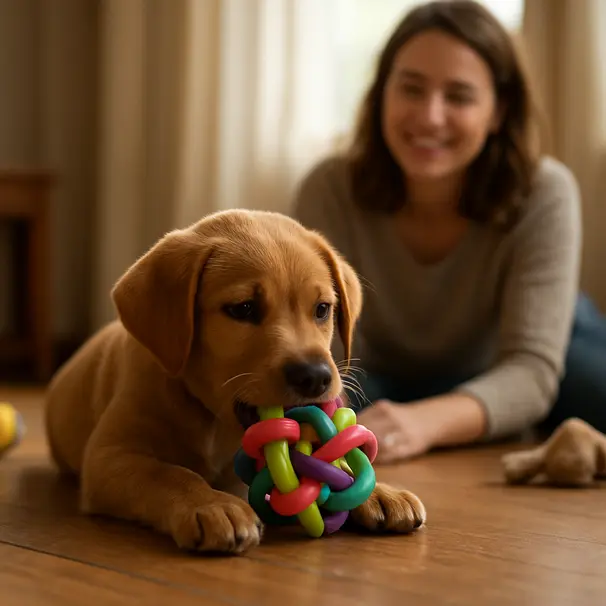
Safety first: protect your dog and your home
Before training changes take effect, reduce the chance of danger and damage.
- Remove hazards. Keep electrical cords, small objects, toxic plants, and household items out of reach.
- Use bitter sprays or deterrents on off-limits furniture after checking product safety and your dog’s tolerance.
- Crate or confine to a safe space with appropriate chew items while you work on training, if your dog accepts this calmly.
- Rotate toys so the toys stay interesting and aren’t just boring fixtures on the floor.
If your dog swallows something dangerous or shows signs of pain, lethargy, vomiting, or changes in appetite, consider contacting your vet promptly.
Find the cause: a quick troubleshooting checklist
Answer these questions to guide your plan:
- Is your dog a puppy or adult? Puppies often chew because of teething.
- How much daily exercise and mental stimulation do they get?
- Does chewing happen when you leave the house, or all the time?
- Is the chewing new, or a long-term habit?
- Does your dog target specific items like shoes or furniture?
The answers help you choose the right combination of management, training, and enrichment.
Quick note about vets and professionals
Chewing that’s sudden, obsessive, or accompanied by other worrying behaviour may benefit from a vet check or a certified behaviourist consult. A vet can rule out dental pain, underlying medical causes, or anxiety disorders that may need specific support.
Practical training strategies that work
Training is about teaching an alternative behavior and reinforcing it consistently. Here are clear, friendly techniques you can start today.
Teach “leave it” and “drop it”
- For “leave it”, offer a low-value item in your closed hand, say “leave it”, wait for the dog to back off or sniff elsewhere, and reward with a high-value treat. Gradually increase difficulty.
- For “drop it”, practice with toys: trade a less-preferred toy for a tastier treat and say “drop it”. Praise when they release the object. The goal is to make giving up items pay off.
These cues are powerful for keeping your dog safe and reducing damage to items you care about.
Redirecting to acceptable chews
- Make sure your dog always has an appealing alternative. High-value chew toys, frozen Kongs filled with dog-safe treats, and long-lasting chews can be lifesavers.
- When you catch your dog chewing something they shouldn’t, calmly remove the item if possible and offer the proper chew. Praise when they engage with the right object.
- Consistency matters. If someone in the household sometimes allows chewing on the couch, the message becomes confusing.
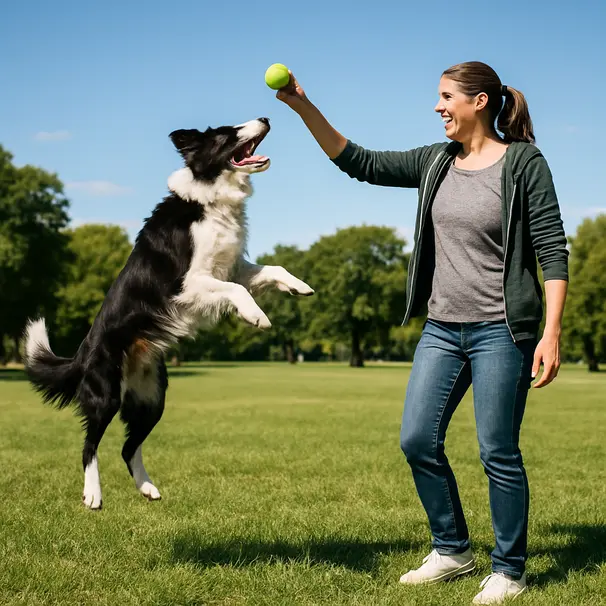
Reward good chewing, ignore bad chewing
Positive reinforcement works better than yelling. If your dog chews an approved toy, mark that behavior with a cue like “Yes!” and reward. If they target a forbidden item and it’s safe to do so, avoid big drama. Calmly redirect and reward the replacement behaviour.
Build a routine
Dogs thrive on predictability. More predictable meals, walks, and play sessions reduce anxiety-related chewing. Aim for several short sessions of focused interaction throughout the day, not just one long tired-you-out walk.
Enrichment ideas that reduce destructive chewing
Chewing often masks boredom. Give their brain a workout with these ideas:
- Food-dispensing toys and puzzle feeders that make them work for kibble.
- Frozen filled toys (frozen peanut butter, plain yogurt, or safe wet food) to extend interest.
- Scent games: hide small treats around a safe room and encourage searching.
- Rotate toys weekly to keep novelty.
- Short training sessions that teach tricks or obedience cues, mentally tiring them out without extra running.
Mental exercise can be just as exhausting for a dog as physical activity, and more likely to reduce problem chewing.
Special considerations for puppies and teething
Puppies mouthing and chewing is developmentally normal. You can help them through teething with care:
- Provide chilled chew toys or a damp washcloth chilled in the freezer for soothing.
- Avoid hard bones or items that can fracture teeth, especially in very young puppies.
- Use gentle redirection. When a puppy bites clothing or hands, offer a toy instead and praise when they chew the toy.
- Socialisation with calm handling and play helps reduce anxious mouthing.
Puppy training classes and short daily sessions help build impulse control early.
Tackling adult dog chewing: boredom, stress, and habit
If your adult dog suddenly chews more, look for changes. New schedule, new people, moving boxes, or a carer with a different routine can be triggers.
- Increase structured activity. More walks, play sessions, and interactive toys can reduce idle time.
- Add nose work games, which are gentle on the joints but mentally engaging.
- For separation-related chewing, practice gradual departures and short absences while rewarding calm behaviour. Leaving special long-lasting chews for your dog only when you go out can make departures less stressful.
- Consider hiring a trusted dog walker or pet carer for midday breaks on long workdays, to break up long lonely periods.
If anxiety seems severe—pacing, drooling, elimination in the house—talk to a vet or behaviourist for tailored strategies.
How carers and sitters can help
If you’re using pet carers or sitters, clear communication prevents mixed messages.
- Share the list of approved toys and off-limits items.
- Show the preferred chew rotation and how to prepare enrichment toys like stuffed Kongs.
- Demonstrate cues like “leave it” and “drop it” so the carer uses the same language.
- Ask carers to log what worked during visits: which toys engaged your dog, times of chewing, and any triggers noticed.
Consistency across caregivers is one of the strongest ways to break destructive habits.
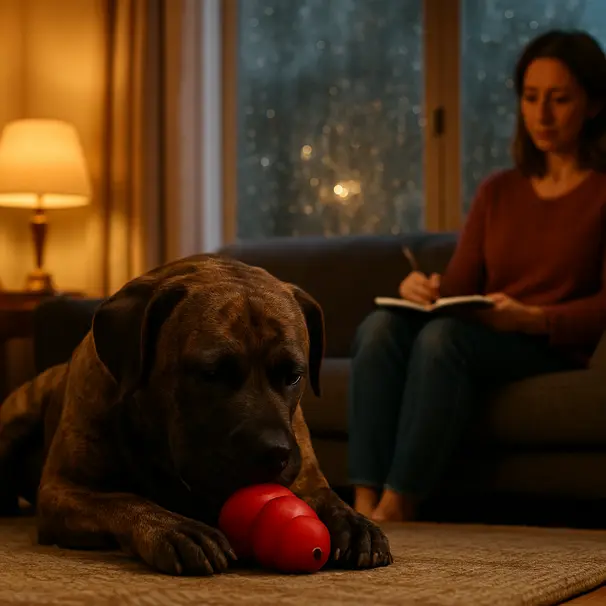
Troubleshooting: common pitfalls and fixes
- Pitfall: The dog loses interest in toys quickly. Fix: Rotate toys, and add treats to make them interesting again.
- Pitfall: Everyone in the home enforces rules differently. Fix: Make a short, written list of rules for guests and carers.
- Pitfall: You catch chewing after the damage is done. Fix: Use baby gates, closed doors, or safe confinement when you can’t supervise.
- Pitfall: Using punishment. Fix: Focus on management and positive reinforcement. Punishment can increase anxiety and worsen chewing.
Daily plan checklist you can follow
- Morning: 20–30 minute walk with 5–10 minutes of training at the end.
- Midday: Short enrichment session, puzzle feeder, or dog walker visit.
- Afternoon: Play session or training games, 10–15 minutes.
- Evening: Longer calm walk, then relaxed family time with chew toys accessible.
- Bedtime: A safe chew toy or frozen enrichment to help settle.
Adjust times for your dog’s age, breed, and energy level. Younger dogs may need more frequent short sessions, older dogs less running and more mental work.
When to seek professional help
Consider a professional when:
- Chewing is sudden and intense.
- There are signs of anxiety, pain, or illness alongside chewing.
- You’ve tried basic management and training for several weeks without improvement.
A certified behaviourist or trainer can provide a personalised plan. Your vet can exclude medical causes and recommend safe options.
Closing encouragement
Changing a chewing habit takes time, patience, and a little creativity. Celebrate small wins, like a day with fewer ruined slippers or a puppy happily choosing a toy. With consistent rules, engaging enrichment, and a team approach from owners and carers, you can preserve your home and keep your dog happily chewing the right things.
If you’d like, Floofy carers and sitters can help with midday visits, toy rotations, and enrichment sessions tailored to your dog. A calm routine, the right chew toys, and gentle training go a long way.
Keep calm, keep consistent, and enjoy the process of teaching new, better habits together.