


Strep throat in dogs: a warm, practical guide
Dog lovers worry when their pets look uncomfortable. A scratchy throat, a cough, or a dog that suddenly won’t eat can be upsetting. Strep throat is an infection caused by Streptococcus bacteria in humans, and dogs can develop streptococcal infections in their throat and upper respiratory tract too. This post walks through common signs, how a vet may check things over, treatment approaches you can expect, and gentle home care tips to help your pup feel better.
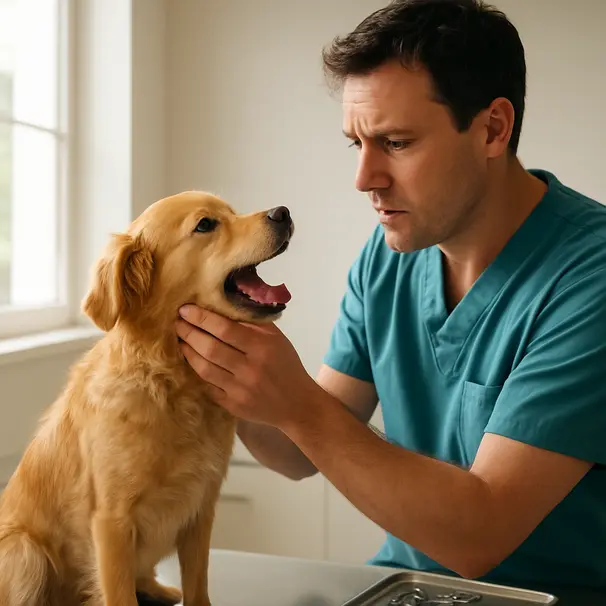
What is strep throat in dogs?
Streptococcal infections in dogs mean certain bacteria are present in the throat or oral cavity. These bacteria can cause inflammation and discomfort. In dogs the infection may show up as a sore throat, swollen tonsils, or broader upper respiratory signs. It can occur on its own, or alongside other infections.
We should be cautious with language here. I won’t claim every cough is strep, and not all sore throats are caused by Streptococcus. A veterinary exam can help identify the cause and suggest the best next steps.
Common symptoms to watch for
Dogs can’t tell us how their throat feels, so look for changes in behaviour and routine. Signs that may be linked to a throat infection include:
- A persistent cough, sometimes sounding dry or strained
- Gagging or retching when swallowing
- Reduced appetite or difficulty eating hard food
- Drooling more than usual
- Pawing at the mouth or rubbing the face
- Fever, which can make your dog quieter than normal
- Swollen or red-looking throat and tonsil area, if you can see inside the mouth
- Lethargy and less interest in play or walks
Some of these signs overlap with other conditions such as kennel cough, allergies, foreign objects stuck in the throat, or dental issues. If you notice anything worrying, consider a vet visit.
How vets may diagnose throat infections
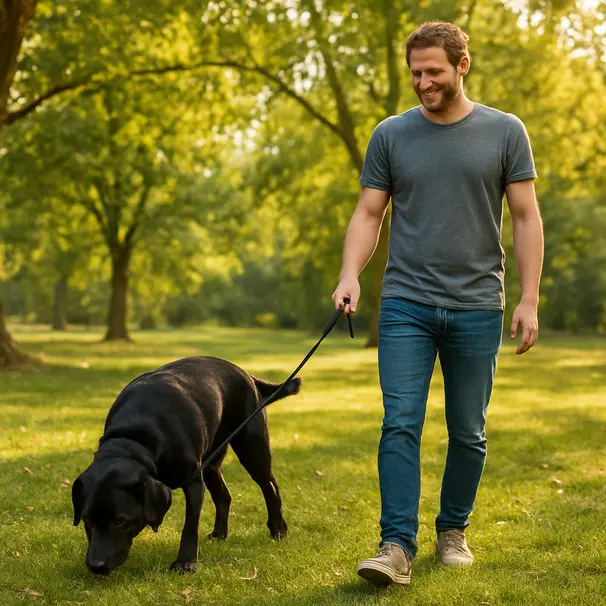
A vet will usually begin with a physical exam and a chat about your dog’s recent routine. They may ask about exposure to other dogs, new foods, or any toxins. Common diagnostic steps might include:
- A careful oral and throat inspection. If your dog allows, the vet will look for redness, swelling, or pus.
- A throat swab. A sterile swab from the back of the throat can be cultured to identify bacteria, though results may take a couple of days.
- Rapid tests. In some practices, quick tests may help suggest a bacterial cause, but they are not always definitive for every bacterium.
- Blood tests, if your dog seems unwell overall. These can indicate fever or inflammation.
- Imaging such as X-rays, if a foreign object or deeper infection is suspected.
Diagnosis helps the vet decide whether antibiotics, supportive care, or further investigation is the best route. Always consider following the vet’s advice rather than guessing the cause at home.
Treatment options your vet may consider
If a bacterial infection is likely or confirmed, antibiotics may be prescribed. Important points to keep in mind:
- Your vet will choose an antibiotic based on the likely bacteria and your dog’s health. Some drugs that work in humans are not recommended for dogs.
- Finish the full course of antibiotics even if your dog seems better after a few days. Stopping early may allow bacteria to come back stronger.
- Supportive care can help—fluids, soft food, and rest may ease recovery.
- Pain relief or anti-inflammatories can sometimes be provided, where appropriate and under veterinary guidance.
If the cause is viral, antibiotics won’t help directly. In those cases, vets may recommend supportive care and monitor for secondary bacterial infections. If a foreign object or severe abscess is present, minor procedures or more intensive treatment could be needed.
Home care: comforting a dog with a sore throat
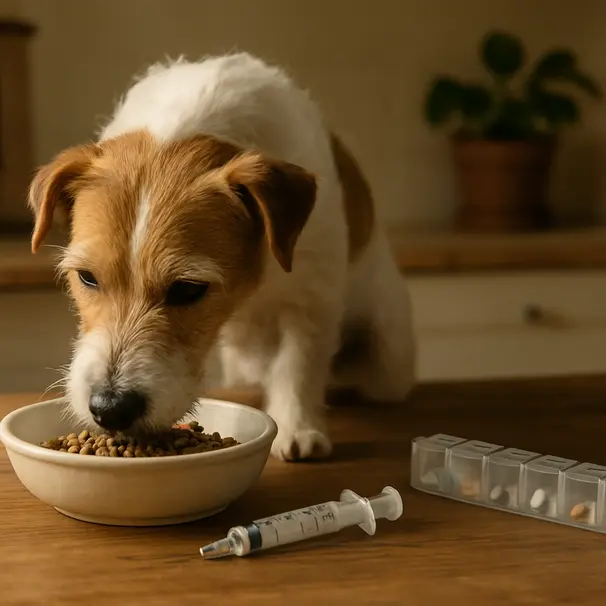
At home you can make small changes to help your dog rest and recover. These easy measures can make a big difference:
- Offer soft, tasty food. Warm wet food or soaked kibble may be easier to swallow and more appealing.
- Keep water available. Hydration matters. If your dog is reluctant to drink, try shallow bowls or ice chips for small dogs.
- Create a calm space. A quiet corner with a favourite blanket helps dogs rest and lowers stress.
- Avoid vigorous activity. Short, gentle walks are fine, but skip high-energy play until your dog bounces back.
- Administer medications exactly as directed. If pills are hard to give, ask your vet about liquid forms or safe pill-wrapping tricks.
- Keep the mouth clean. Don’t force brushing, but gentle rinses or vet-approved oral gels may help in some cases. Ask the vet before trying products.
Always check with your vet if you’re unsure about foods or home remedies. Some human remedies can be unsafe for dogs.
Preventing spread and keeping others safe
Streptococcal bacteria can move between animals and sometimes people, although transmission routes vary. It’s sensible to take precautions while your dog is unwell:
- Limit close contact with other pets until your vet gives the all-clear.
- Wash your hands after handling your dog, especially before eating or touching your face.
- Clean bedding and bowls with hot, soapy water, and consider a mild disinfectant safe for pet items.
- Avoid sharing toys, blankets, or food dishes with other dogs during recovery.
If a dog carer or family member is ill, be open with your vet and fellow caregivers. They may suggest extra steps to reduce transmission risk. A cautious approach helps protect everyone involved.
When to call your vet, and what to expect next
If symptoms are mild and your dog is still eating and behaving mostly normally, you might monitor them for a day while offering soft food and rest. However, contact your vet promptly if you notice:
- Difficulty breathing, noisy or shallow breaths
- High or persistent fever
- Refusal to eat for more than 24 hours
- Sudden worsening of coughing or gagging
- Signs of severe pain or collapse
During the appointment the vet will likely repeat the focused exam and may recommend tests mentioned earlier. They will explain treatment options and expected timelines, and tell you when to bring your dog back for re-checks. If antibiotics are prescribed, ask how long improvement should take and when it’s safe to resume normal activities.
Tips for pet carers and sitters
If you’re helping care for a dog with a suspected throat infection, keep these practical tips in mind:
- Keep routines gentle. Short leash walks and calm play help maintain routine without overtaxing the dog.
- Administer meds reliably. Set alarms for dosing times and record each administration so nothing is missed.
- Communicate clearly with the owner and the vet. Note appetite, energy levels, coughing frequency, and any side effects.
- Use gloves when handling discharge or cleaning bedding, then wash hands thoroughly.
- Offer comfort but respect the dog’s space. Some dogs prefer gentle pets, others want to be left alone while they rest.
Being a thoughtful carer makes a recovery smoother for everyone.
Long-term outlook and follow-up
Many dogs recover fully from a streptococcal throat infection with prompt veterinary care and appropriate treatment. Follow-up might include:
- Finishing all prescribed medication
- Bringing your dog back if symptoms persist or worsen
- Re-checks if your vet wants to confirm the infection has cleared
If your dog has repeated throat infections, speak with your vet about underlying issues that may contribute, including immune function, dental disease, or environmental factors.
Final thoughts: gentle, sensible care
Watching a beloved dog struggle with a sore throat is never fun, but a calm, practical approach usually helps them recover well. Keep an eye on symptoms, offer soothing home care, and ask your vet for guidance. Small comforts, consistent medication administration, and attentive observation are the best gifts you can give a dog on the mend.
If you need a trusted carer while your dog rests, consider using a pet care platform to find someone experienced. Look for carers who will follow medication schedules, provide gentle outings, and communicate clearly. Your dog’s comfort and a steady routine can speed recovery and keep everyone feeling less worried.
If you’re ever unsure, the safest next step is a vet call. They can help you decide whether a clinic visit is needed and outline the best plan for your dog.