

Swedish Vallhund: the Viking herding dog
If you’re drawn to a small dog with an ancient past, enormous personality, and endless curiosity, the Swedish Vallhund might be your perfect companion. These little Viking-era herding dogs have big hearts and bright minds. They thrive on activity, attention, and a job to do. This guide will walk you through their history, personality, practical care, and tips for finding trusted carers through platforms like Floofy.
A brief history: tiny dogs with big roots
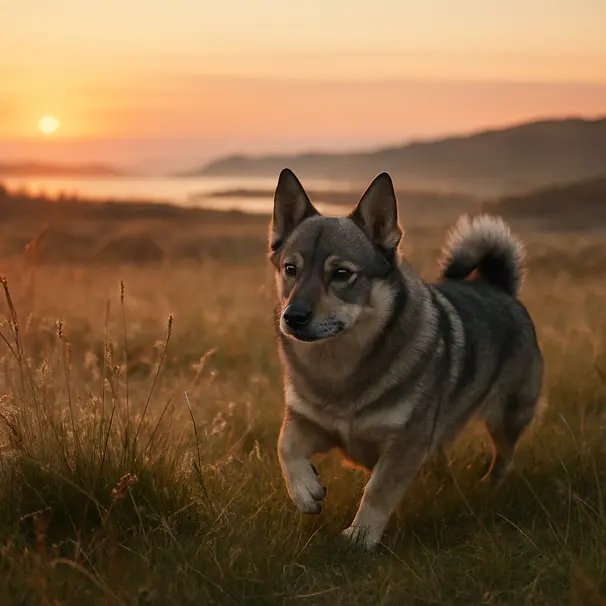
The Swedish Vallhund traces its lineage back to early Scandinavian herding dogs. Legends often link them to Vikings, and while the exact story is part folklore, archaeological finds and breed records show a long history in Sweden. Vallhunds were bred to herd cattle and sheep, stay alert, and work closely with people. Their compact, low-slung bodies helped them nip at hooves and move nimbly between livestock.
Over time the Vallhund remained a practical farm dog rather than a show-only pet. That practicality shaped their temperament—smart, adaptable, and keen to participate in daily life. Today’s Vallhunds are treasured family members and capable working dogs, equally happy in a busy home or out on the trails.
What they look like
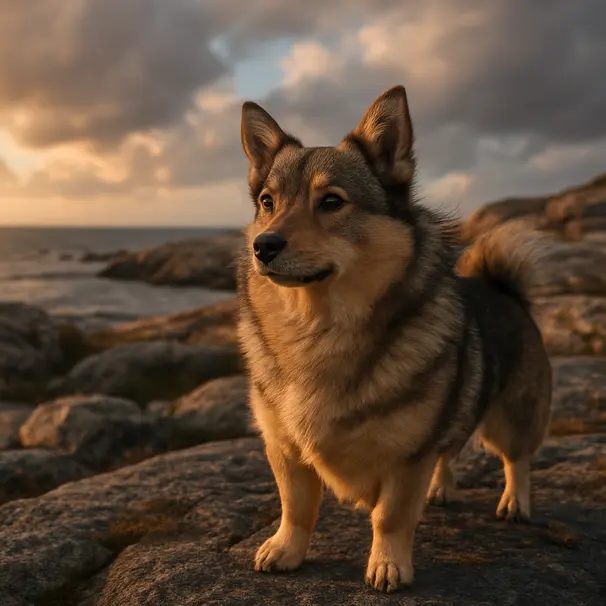
Vallhunds are small to medium sized, often described as low and sturdy. They typically stand around 11 to 14 inches at the shoulder. Their coat is double-layered: a dense undercoat with a harsher outer coat that helps protect them from weather. Common coat colors include various shades of wolf gray, red, and sable, frequently with distinct markings on the face and chest.
One of the breed’s most charming features is the alert, fox-like expression. Ears are medium-sized and erect, eyes are bright and intelligent, and tails can be full, short, or sometimes even naturally bobbed. Despite their small size, Vallhunds carry themselves with the confident ease of a dog built for work.
Temperament and personality
Vallhunds are energetic, affectionate, and often stubborn in a lovable way. They’re alert and watchful, which makes them good watchdogs. Most enjoy being close to their people and thrive on interaction. They can be independent thinkers, thanks to their herding heritage, so consistent, patient training works best.
Key traits:
- Energetic and playful
- Intelligent and curious
- Loyal and people-oriented
- Alert, with a tendency to bark
- Sometimes a bit bossy with other dogs or small animals
Because they were bred to work closely with humans, Vallhunds often develop strong bonds with family members. They enjoy games that stimulate their minds, tasks that give them a job, and activities that burn off energy.
Training and socialization
Training a Vallhund is a bit like coaching a clever athlete. They learn quickly if you keep sessions short, fun, and consistent. Positive reinforcement—treats, praise, and play—usually works far better than heavy-handed methods.
Practical tips:
- Start early with puppy socialization: exposure to different people, animals, sounds, and environments can help reduce fearfulness later.
- Use short, frequent training sessions. Five to ten minutes a few times a day beats a long, boring session.
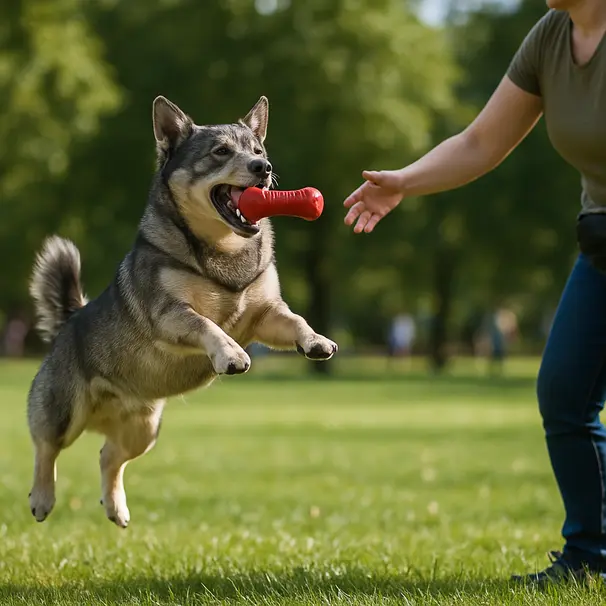
- Mix obedience with games. Fetch, scent games, and herding-style activities tap into their instincts.
- Teach reliable recall. Vallhunds love to explore and may bolt after interesting things if recall isn’t solid.
Consider canine sports such as agility, rally, or herding trials. These activities provide mental and physical outlets and can deepen your bond. If you’re new to dog sports, a local trainer or trusted carer with experience can help start your Vallhund off safely.
Exercise and enrichment
Vallhunds are active dogs and need daily exercise to stay happy. A brisk walk, a run around a fenced yard, or play sessions are essential. Without enough activity they may become bored, leading to destructive behaviors or unnecessary barking.
Ideas to keep them engaged:
- Two daily walks with varied routes
- Off-leash play in a secure park or yard
- Interactive feeding toys and puzzle feeders to slow down mealtimes
- Short training refreshers sprinkled through the day
- Nose work or scent games to challenge their brains
If you can give them a job—like carrying a pack on hikes, participating in dog sports, or helping with simple household routines—they often settle more easily.
Grooming and care
Vallhunds are relatively low maintenance compared to long-coated breeds, but they do shed seasonally. Regular brushing, about once or twice a week, can reduce loose hair and keep their coat healthy. During shedding seasons a slicker brush or undercoat rake can help remove dead fur.
Other grooming basics:
- Trim nails every few weeks, or as needed
- Check and clean ears regularly to prevent irritation
- Brush teeth several times a week to support dental health
- Bathe sparingly; over-bathing can strip natural oils
If your Vallhund spends time outdoors, keep an eye for burrs and ticks, and wipe paws after muddy adventures. For any skin or coat concerns, consider consulting a vet or professional groomer.
Health considerations
Swedish Vallhunds are generally sturdy, but like all breeds they can be prone to certain conditions. Common concerns include hip dysplasia, eye issues such as progressive retinal atrophy, and sometimes spinal problems because of their long body.
Use cautious language around health: consider discussing routine screenings with your vet, and ask about breed-specific checks such as hip x-rays and ophthalmologist exams. Early detection can help manage many issues, and a proactive approach to weight management, exercise, and dental care can support long-term wellbeing.
If you’re adopting from a breeder, look for health clearances. If you’re adopting an adult dog, request veterinary records and ask about any known conditions.
Living with a Vallhund: families, apartments, and other pets
Vallhunds adapt well to family life. They’re good with children who understand how to interact respectfully with dogs. They can be a bit high-strung for toddlers who like rough play, so supervision and calm introductions are important.
Apartment life can work if you commit to daily exercise and mental stimulation. Because Vallhunds can be vocal, training to manage barking is helpful for close-quarters living.
With other pets, early socialization matters. Vallhunds have herding instincts, so they might try to herd other animals or even chase small pets if left unchecked. Proper introductions, clear boundaries, and supervised interactions usually smooth things out.
Finding and working with trusted carers
Floofy exists so you can find carers who match your Vallhund’s needs. When choosing a carer:
- Look for experience with herding breeds or similar energy levels
- Ask about routine: exercise, feeding, and enrichment plans
- Request references or reviews from other dog owners
- Check that the carer is comfortable with recall training and emergency procedures
Practical handover checklist for carers:
- Food brand, feeding schedule, and portion sizes
- Favorite toys and any game rules
- Walk routine and recall cues
- Medical history, allergies, and vet contacts
- Any known triggers, fears, or preferred calming techniques
A short meet-and-greet before a full booking helps your Vallhund settle and gives you confidence that the carer understands their personality.
Travel, safety, and gear
Vallhunds are portable companions, but a calm, safe travel setup makes trips easier. Consider a secure crate or a well-fitted harness with a seatbelt attachment for car journeys. For hiking, a lightweight pack can let them carry their own water and treats.
Safety tips:
- Use reflective gear for evening walks
- Carry a basic first-aid kit and know local vets when traveling
- Keep identification tags and microchip details up to date
- Be cautious with extreme heat; short-nosed breeds overheat more, but all dogs can struggle in hot weather
If you work with a carer for walks or overnight stays, confirm their travel experience and emergency plans up front.
Common challenges and friendly fixes
Chewing and digging: Provide chew-safe toys and rotate them to keep things interesting. Puzzle feeders can redirect chewing toward positive activities.
Excessive barking: Teach “quiet” with gentle rewards for silence. Make sure barking isn’t boredom-driven—extra exercise can help.
Separation anxiety: Gradual desensitization, short departures, and interactive toys can ease stress. Professional trainers and carers experienced with anxious dogs can offer strategies and support.
Final thoughts
Swedish Vallhunds pack centuries of history into a small, lively package. They’ll reward your patience and consistency with loyalty, affection, and endless entertainment. If you’re ready to give daily mental and physical activity, and you enjoy a dog with personality, a Vallhund could be a wonderful match.
When making care decisions, remember to reach out to vets or experienced carers if you’re unsure. Platforms like Floofy can connect you with people who’ll treat your Vallhund like family—helping with walks, training refreshers, and overnight care so your dog stays content while your life stays flexible.
A Vallhund is happiest when they have a role, a routine, and plenty of chances to be with their people. With the right mix of exercise, training, and love, these little Vikings will bring a lot of warmth and mischief into your home.
Quick reference: daily checklist for Vallhund owners
- Walks: 30–60 minutes daily, plus playtime
- Mental work: 10–20 minutes of training or puzzles each day
- Grooming: brush weekly, more during shedding season
- Health: regular veterinary checkups, dental care, weight monitoring
- Social: short, supervised interactions with other dogs and people
Thanks for reading. If you’re exploring Vallhund ownership or need a trusted carer, check Floofy listings and arrange a meet-up. A short trial walk with a potential carer can tell you a lot about chemistry, training style, and how they handle active, smart dogs like the Swedish Vallhund.