

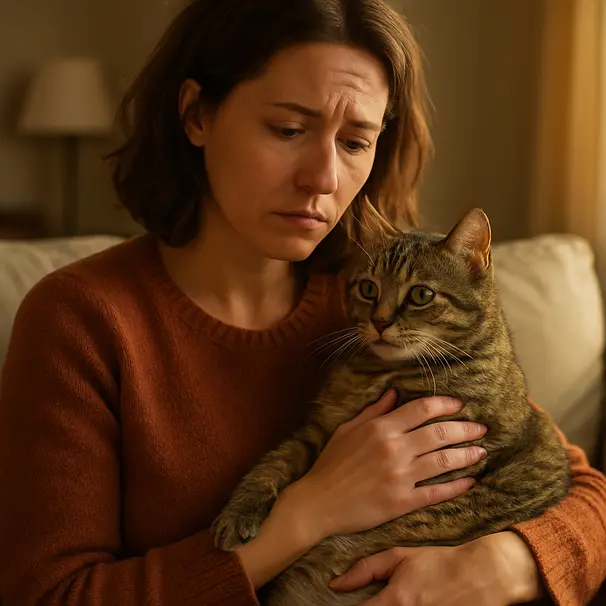
Swollen cat belly: what to look for
Seeing your cat with a noticeably larger tummy can be alarming. Some causes are harmless and temporary, others may need prompt veterinary attention. This article walks you through common reasons for a swollen belly, quick at-home checks, when to call the vet, and practical care tips for both owners and pet carers.
A gentle first look
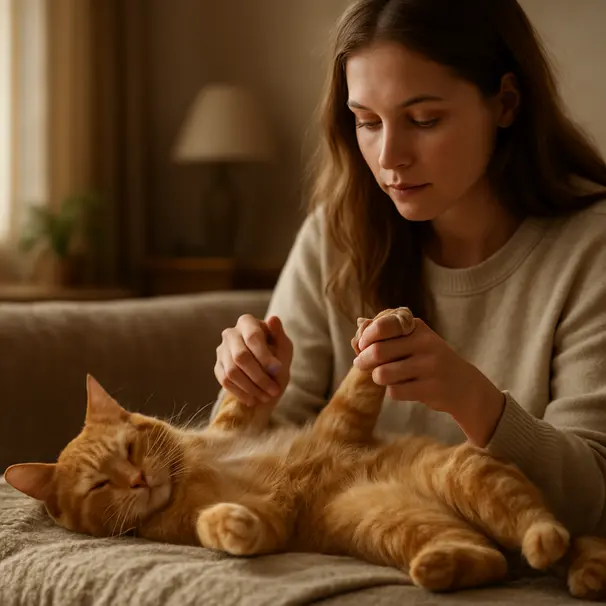
If your cat will let you, start with a calm, gentle inspection. Look and feel rather than prod. Notice whether the swelling is soft and squishy, firm, or localized. Is it across the whole belly or a single bump? Is your cat relaxed or guarding the area? These little details help you describe the situation to a vet or an experienced carer.
Common causes of a swollen belly in cats
There are many reasons a cat’s belly might be larger than usual. Some are routine, others less so. Remember, this is a guide to help you think through possibilities, not a diagnosis. Consider consulting a veterinarian if anything feels off.
1. Overeating, gas, or constipation
Cats that gorge quickly after a fast or eat something unusual may have temporary bloating. Gas and slow-moving stool can make a belly look distended. These issues may resolve within a day or two, but watch for repeated vomiting, lack of appetite, or ongoing straining to defecate.
2. Pregnancy or mammary enlargement
If your intact female cat has been exposed to males, pregnancy is a common and natural cause of a larger abdomen. Mammary glands may also swell during heat cycles. Palpation by a vet or an ultrasound can help confirm pregnancy.
3. Fluid accumulation, called ascites
Fluid in the belly may make the abdomen appear round and tense but feel squishy. Several health problems may lead to this, including heart or liver issues, low protein states, or inflammation. Fluid-related swelling may slowly worsen and can affect breathing if severe.
4. Internal masses or tumors
Solid growths inside the abdomen may cause a localized or generalized enlargement. Tumors can grow slowly or rapidly, and may or may not cause other signs like lethargy, weight loss, or changes in appetite.
5. Organ enlargement
Enlarged liver, spleen, or kidneys may push the belly outward. This kind of swelling is usually detected by a vet during an exam and may come with other symptoms.
6. Intestinal obstruction
If a cat swallows a foreign object, or if a severe hairball blocks the intestine, the abdomen may distend. Obstructions often come with vomiting, pain, and lack of appetite. These can be emergencies.
7. Parasites
Heavy worm burdens can sometimes cause a potbellied appearance, especially in kittens. Regular deworming and stool checks can help reduce this risk.
8. Cysts, hernias and other localized issues
A hernia or a visible lump under the skin could look like a belly enlargement but is often localized and easily felt. Some hernias are congenital, others follow trauma.
How to tell what kind of swelling it might be
A few simple observations can give clues:
- Soft, squishy, wobbly belly: may suggest fluid or gas.
- Firm, localized lump: could be a mass, organ enlargement, or hernia.
- Whole belly swollen and cat breathing fast: this could be serious, consider fluid or pain.
- Accompanied by vomiting, diarrhea, no appetite, or lethargy: urgent vet attention may be needed.
Write down what you see and when it started. Take photos from different angles. These details help a vet or a carer give better advice.
When to see a vet — signs of urgency
Some situations call for immediate veterinary care. Consider contacting a vet right away if you notice any of the following:
- Severe or increasing abdominal pain, vocalizing when touched.
- Repeated vomiting or inability to keep water down.
- Sudden, dramatic swelling of the belly.
- Difficulty breathing or open-mouth breathing.
- Collapse, severe weakness, or unresponsiveness.
- Distended belly with pale gums, which can indicate shock.
If you are unsure, a quick call to your clinic or an emergency service is worth it. Describe what you see, the cat’s recent history, and any other symptoms. A vet can advise whether an immediate visit is needed.
What a vet may consider during the exam
At the clinic, the veterinarian will likely do a full physical exam and may recommend tests such as:
- Palpation of the abdomen to localize swelling.
- Bloodwork to check organ function and detect infection or anemia.
- Urinalysis to evaluate kidney function and other changes.
- Radiographs (X-rays) to look for obstructions, masses, or organ size.
- Ultrasound for a clearer view, especially to detect fluid or soft-tissue masses.
- Abdominal fluid sampling if ascites is present, to analyse the fluid.
Based on findings, treatment options may range from medical management and drainage to surgery. The vet will explain why a test is recommended and what it may show.
At-home care and monitoring tips
Until you can see a vet, there are sensible, gentle steps owners and carers can consider to keep a cat comfortable and collect helpful information.
- Stay calm and create a quiet space. Stress can make symptoms worse.
- Offer water. If the cat drinks or laps, that’s a good sign. If the cat keeps vomiting after drinking, withhold water and call your vet.
- Don’t give human medications. Many human drugs are dangerous to cats.
- Avoid pressing or poking the belly. Gentle palpation is fine if your cat tolerates it, but avoid force.
- Keep a log. Note appetite, vomiting, bowel movements, breath rate, and behavior changes. Photos and short videos can be very useful.
- Collect a stool sample if you suspect parasites. Many clinics request a fresh sample for testing.
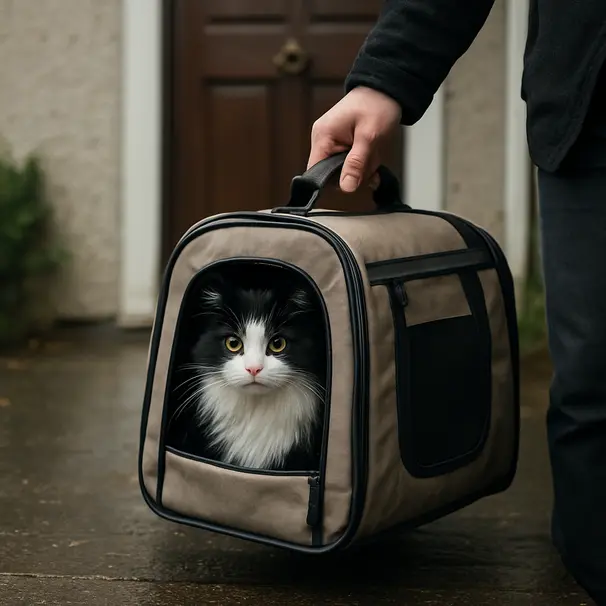
- If your cat must travel to a clinic, use a secure carrier lined with soft bedding. Minimize jostling and keep them warm.
Practical care tips for pet carers
If you care for someone else’s cat through a pet-care service, good communication matters. Owners will appreciate precise observations and calm handling.
- Notify the owner immediately if you notice a swollen belly and share your observations.
- Take photos from multiple angles and note when swelling was first seen.
- Keep feeding and litter routines consistent unless the owner advises otherwise.
- If you need to transport the cat, use a clean carrier with absorbent lining, and move calmly.
- If the owner is not available and the cat shows urgent signs, contact the clinic the owner prefers, or an emergency vet. Explain you are a carer and describe the situation clearly.
Possible treatments the vet may suggest
Treatment depends on the underlying cause. Some options the vet may consider include:
- Fluid removal, if ascites is causing discomfort or breathing difficulty.
- Surgery to remove a foreign object, repair a hernia, or remove a mass.
- Medications for parasites, infection, or inflammation.
- Supportive care, such as IV fluids and appetite support for dehydrated or weak cats.
- Long term management for chronic conditions like heart or liver disease.
Again, these are examples. The right plan is the one the veterinarian recommends after diagnostics.
Preventing future belly problems
Some steps can reduce risk and catch problems early:
- Keep up with regular vet checkups, including routine bloodwork for senior cats.
- Maintain a deworming schedule appropriate for your area and your cat’s lifestyle.
- Monitor feeding to avoid overeating. Puzzle feeders and portion control help indoor cats keep a healthy weight.
- Spay and neuter, which can prevent some reproductive-related conditions.
- Watch for subtle changes. Cats are masters at hiding discomfort, so small shifts in behavior can be important.
Notes on special cases
- Kittens: A potbellied look is common in some kittens, especially if they have worms. However, persistent swelling or poor growth should get a vet check.
- Senior cats: Older cats may develop organ-related swelling. Regular wellness checks help spot these issues earlier.
- Pregnant cats: If pregnancy is possible, plan for prenatal care with your veterinarian.
Keeping calm and acting with care
A bloated or swollen belly can feel scary. The best approach is steady observation, gentle comfort, and timely communication with a vet. You don’t need to guess the cause, but collecting clear information will help the vet make good decisions.
If you’re a pet carer, owners will value your calm, practical updates. If you’re an owner, reach out sooner rather than later when you’re worried. Quick action can make a big difference.
Quick checklist: what to tell the vet or carer
- When did you first notice the swelling?
- Is it getting bigger, stable, or improving?
- Any vomiting, diarrhea, or changes in appetite?
- Litter box activity, stool consistency, and urine habits.
- Any recent injuries, foreign body ingestion, or exposure to toxins?
- Vaccination, deworming, and spay/neuter status.
Final thoughts
Cats are stoic, and a swollen belly is a sign worth paying attention to. Stay observant, keep notes, and seek veterinary advice if you have any doubts. Your calm response, paired with good information, helps your cat get the right care quickly. And remember, you are doing the right thing by checking and asking questions. Your cat feels that care.