

Talking to dogs: new tech explained
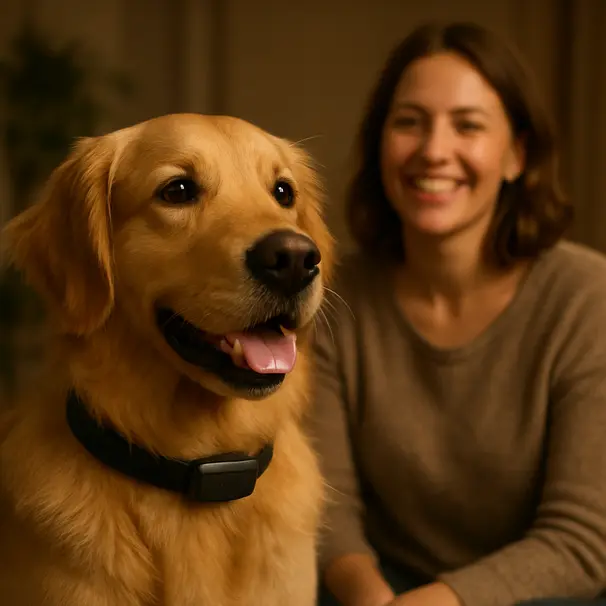
If you love dogs, the idea of truly understanding your furry friend feels like a small miracle. Recent gadgetry and apps promise to translate barks, interpret body language, and map behaviour into data you can read. The reality is a little more practical, and a lot more interesting.
In this guide we’ll look at the main types of dog communication tech, how they work, what they can and can’t tell you, and how pet owners and carers on Floofy can use these tools to improve everyday care. Expect helpful tips, realistic expectations, and a few warm, practical ideas for trying tech with your dog.
What do people mean by “talking to dogs”?
“Talking to dogs” is shorthand for several kinds of technology that aim to help humans understand canine signals. The main categories are:
- Translation apps and research tools that analyse barks and vocalisations.
- Wearable collars and tags that collect movement, heart rate, and activity patterns.
- Behaviour-tracking cameras and home monitoring systems.
- Voice modulators and two-way audio devices that let you play messages or speak while away.
Each of these tools approaches communication from a different angle. Some focus on the sounds dogs make, others look at body signals or physiological data. Combining them can give a fuller picture, but no single device turns every bark into a sentence.
How the tech actually works
Bark analysis and machine learning
Translation apps usually rely on machine learning. Engineers feed thousands of recorded barks and contextual labels into algorithms. The software looks for patterns and clusters that correlate with things like excitement, stress, attention-seeking, or play. Over time the models may learn to associate certain acoustic features with likely emotional states.
Keep in mind these systems often work best on the breeds and contexts included in their training data. A device trained mainly on small terriers at home might misunderstand deep-throated howls from a large hound in a shelter.
Wearables and physiological sensors
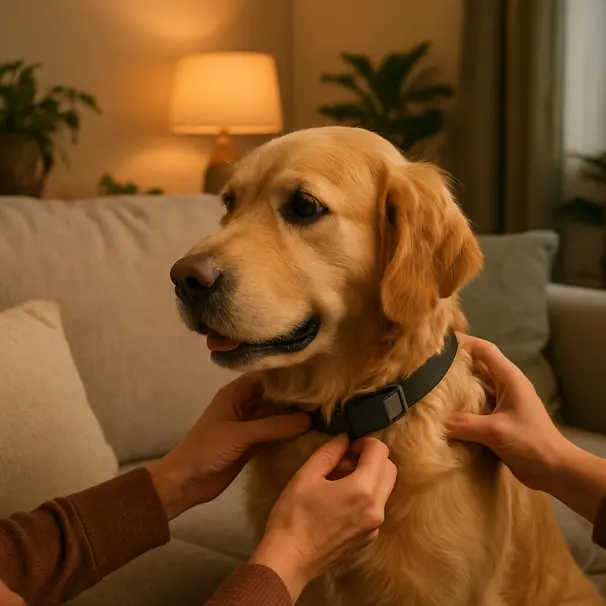
Smart collars and tags monitor activity, rest, and sometimes heart rate or breathing. They use accelerometers, gyroscopes, and optical sensors to detect movement and general arousal. When combined with time-stamped events, these readings can point to routines, sleep patterns, or sudden changes that may deserve attention.
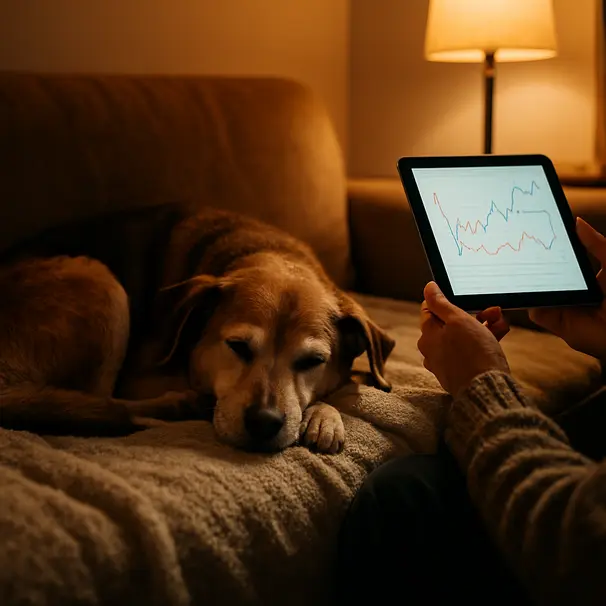
These devices can help detect trends. For example, more pacing during the night may suggest discomfort or anxiety. A sudden drop in activity could be worth checking with a vet, especially for older dogs.
Cameras, behaviour recognition, and cloud analytics
Home cameras with behaviour recognition look for repetitive actions, barking, or changes in movement. Some systems send short clips or alerts when they detect unusual activity. They may also offer tools for carers to review behaviour over days or weeks.
Privacy matters here. Check who can access footage and how long it’s stored.
Two-way audio and remote comfort
Two-way devices let you talk to your dog and hear them, which can soothe separation anxiety for some pets. These are not translations. A calm tone and familiar words may comfort a dog, but don’t expect sophisticated back-and-forth conversations.
What these tools can and can’t do
Technology can give helpful clues, but it won’t replace observation, experience, or professional judgement.
What they can do:
- Highlight patterns in activity, sleep, and location that are easy to miss.
- Offer insights into likely emotional states, such as excitement or stress, based on sound or movement.
- Provide objective data to share with a vet or behaviourist.
- Help carers coordinate routines and feeding through reminders and logs.
What they can’t do reliably:
- Translate complex thoughts into human language.
- Replace a vet diagnosis or a trained behaviourist’s assessment.
- Interpret every bark correctly for every breed and context.
Think of tech as a helpful friend that points out things you might have missed, rather than a magic translator.
Practical uses for owners and carers
Here are realistic, everyday ways to use these tools.
- Routine checks: Wearables can show if a dog is resting more than usual or skipping walks. Carers can use these summaries to spot changes between visits.
- Separation support: Two-way audio and recorded messages may calm some dogs when you’re late. Try short recordings of your voice and see how the dog reacts.
- Training aid: Use audio cues or vibration from a smart collar as part of positive reinforcement training, not as punishment. Always pair tech with treats, praise, and consistent timing.
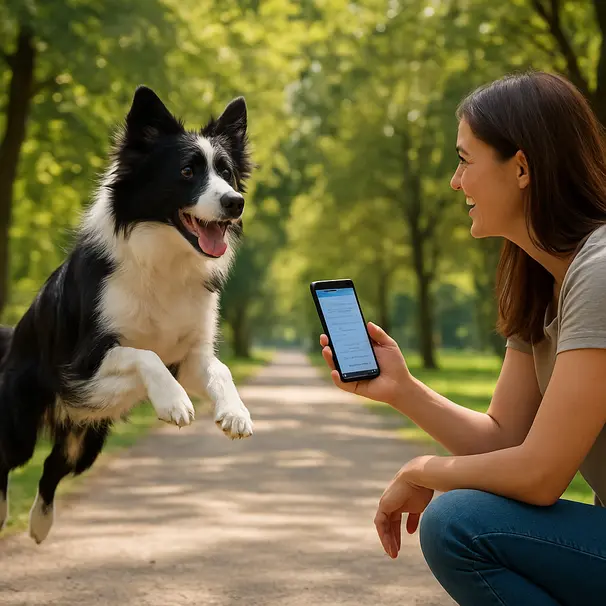
- Behaviour logs: Apps that log incidents, like barking or pacing, can help you and a behaviourist identify triggers.
- Enrichment tracking: Track playtime and puzzle use to ensure a dog is getting mental stimulation at home.
For Floofy carers, sharing device summaries with the owner after a visit can be a lovely extra. A short note like, “Tilly’s collar showed extra pacing between 6 and 7pm, I stayed and did a calm game,” helps owners feel connected and informed.
Choosing the right device
With so many gadgets available, picking the right one feels overwhelming. Here are practical steps to help decide.
- Start with your goal. Do you want to monitor activity, reduce separation stress, or support training? Buy for purpose.
- Check compatibility. Some devices need monthly subscriptions for cloud features. Factor that into costs.
- Consider comfort. Collars and tags should be lightweight and sit properly. Cheap, heavy devices can irritate a dog and skew data.
- Read real-world reviews. Look for reviews by owners of the same breed or similar living situation.
- Privacy and data policies. Make sure you understand who owns the data and how footage or audio is shared.
- Trial period. If possible, choose products with return windows. Dogs react differently; what suits one may not suit another.
Introducing tech to a dog: gentle steps
New devices can be strange to a dog. Introduce them slowly and positively.
- Let the dog sniff the device while it’s off. Offer a treat.
- Wear the collar yourself for a moment, so the device has a human scent.
- Clip or attach it briefly during normal activities, then remove it. Increase wear time gradually.
- Pair the device with rewards. If the collar vibrates as part of training, follow with praise and treats.
- Watch for signs of discomfort, like scratching or shaking the head. If a dog seems unsettled, stop and try a lighter option.
If you’re a carer, ask the owner about past reactions to collars, harnesses, or clothing. Some dogs tolerate tech easily, others need extra patience.

How carers on Floofy can use data responsibly
Carers often spend short, focused time with dogs. Tech can multiply the value of those visits, but it’s important to use data thoughtfully.
- Keep summaries clear and brief. Highlight useful observations and any changes from typical patterns.
- Respect privacy. Don’t share footage or data outside the owner’s wishes.
- Use data to inform, not to diagnose. If you notice worrying trends, suggest the owner consider a vet check or behaviourist appointment.
- Coordinate with owners. Agree in advance which metrics to track and how often to report them.
A simple example message after a visit: “Walked for 25 minutes, collar showed high activity during play, relaxed after a short chew. I left the enrichment puzzle out; he engaged for about 15 minutes.” That kind of practical note reassures owners.
Safety, ethics, and limits
Tech that monitors or intervenes raises questions about consent, welfare, and accuracy.
- Animal welfare comes first. Never use devices that cause pain or persistent stress.
- Data accuracy varies. Treat alerts as prompts to check in, not as final answers.
- Consider battery safety. Some collars can overheat or cause irritation if left on too long. Follow manufacturer guidelines and check skin under collars regularly.
- Privacy: cameras in shared spaces may capture people. Make sure everyone in a home agrees to monitoring.
If a device ever suggests a medical concern, consider it a reason to consult a vet. The data can help start that conversation, and the vet can offer next steps.
Real stories from carers and owners
- One Floofy sitter noticed a foster dog’s wearable showed restless nights. The sitter adjusted bedtime routine and introduced a calming enrichment toy. After a week, the device recorded steadier sleep and the owner reported a calmer morning.
- Another owner used a bark-analysis app to understand what triggered their rescue dog’s barking at the window. The app suggested likely arousal rather than fear. With that clue, the owner worked on retraining cues and window coverings, and the barking reduced.
These are small, practical wins. The tech didn’t perform miracles, but it gave clues that helped people tailor their care.
What the near future may bring
Expect better integration across devices, smarter algorithms that account for breed differences, and easier interfaces for carers and owners. More companies are aiming for open standards so devices can share data responsibly.
Still, the heart of pet care is human attention. Tech will likely become more useful as a tool for people who already know their dog well, rather than as a replacement for that bond.
Quick checklist for trying dog communication tech
- Decide your main goal: monitoring, training, or comfort.
- Talk to your Floofy carer about your plan and see what they recommend.
- Choose comfortable hardware with good reviews and a return policy.
- Start slow when introducing devices, reward calm behaviour.
- Use data as a conversation starter with vets and behaviourists.
- Keep privacy and battery safety in mind.
Final thoughts
Technology is unlocking new ways to pay attention to our dogs. It can point out trends, help carers coordinate care, and nudge us toward better routines. But dogs still talk to us most clearly through their eyes, tails, and daily habits. The best approach mixes new tools with patient observation, affection, and common sense.
If you’re curious, try one simple device and see what it adds. Share the results with your Floofy carer, and treat the process as an experiment. You may learn something surprising, and you’ll deepen the care you both give.
If anything in the data raises health concerns, consider consulting a vet for guidance. With the right expectations, a little tech can make caring for dogs easier and more connected.
Thanks for reading, and give your dog a scratch behind the ears from us.