

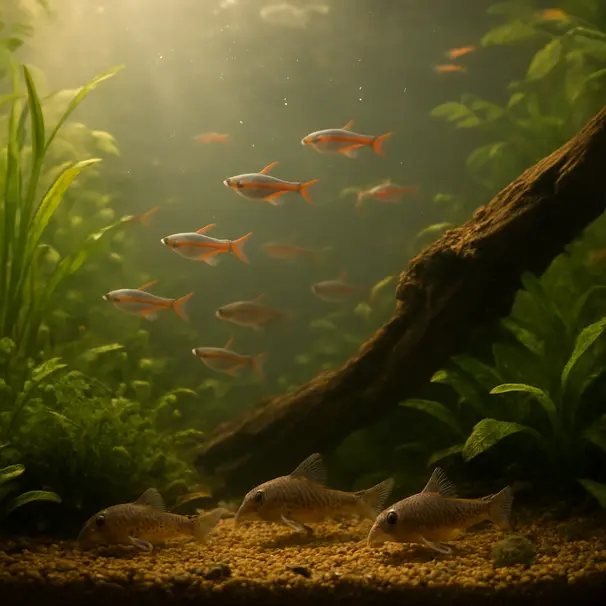
Welcome to peaceful waters
Creating a harmonious aquarium is one of the most rewarding parts of keeping aquatic pets. A well-matched community tank can be calm, active, and endlessly fascinating, while a poorly matched one can mean stress, bullying, and health problems. Whether you’re a new hobbyist or a trusted pet carer stepping into someone else’s setup, understanding tank mate compatibility will save you a lot of worry and help your fish, shrimp, and snails thrive.
This guide walks through the practical things to consider when mixing species: water chemistry, temperament, size, diet, habitat and how to introduce new animals safely. Expect friendly, practical tips you can use the next time you plan a community tank or accept a care job on Floofy.
The basics of compatibility
Start with a few simple checks before you commit to a new species.
- Water parameters: Do the animals need similar temperature, pH and hardness? If their ideal ranges overlap, you’re off to a good start.
- Temperament: Are the species peaceful, semi-aggressive, or outright territorial? Mismatched temperaments are a common cause of trouble.
- Size and mouth gape: Will a larger fish eat smaller tank mates? Think about adult size, not juvenile size.
- Diet and feeding level: Do they feed at the top, middle or bottom? Do they need live food, algae, or flakes?
- Tank layout and territory: Do they need open swimming areas, caves, or dense planting?
Keeping these core ideas in mind reduces surprises and helps you plan tank stocking and management.
Matching water parameters
Water chemistry is the first and least negotiable compatibility factor. Even sociable species can suffer if the water doesn’t suit them.
- Temperature: Tropical freshwater fish commonly prefer 24–28°C (75–82°F). Coldwater species like goldfish need much cooler temperatures, so don’t mix those without temperature zoning.
- pH: Some species prefer acidic water, others alkaline. A community works best when pH ranges overlap. Small differences may be tolerated but sudden changes can stress fish.
- Hardness: Soft vs hard water preferences influence osmoregulation. A mismatch can affect growth and breeding.
- Salinity: Freshwater, brackish, and marine animals are not interchangeable. Brackish species like some gobies and mollies need specific salinity levels.
If you’re unsure about a new animal, check reputable care sheets and measure your tank’s parameters over several days. Consider whether you can keep stable conditions for everyone involved.
Temperament and behavior
Personality matters. Some species are schooling and shy, others are bold and territorial. Think about how animals interact naturally.
- Schooling fish: Tetras, rasboras and many barbs feel safer in groups. Keep them in appropriate shoal sizes to reduce stress and aggression.
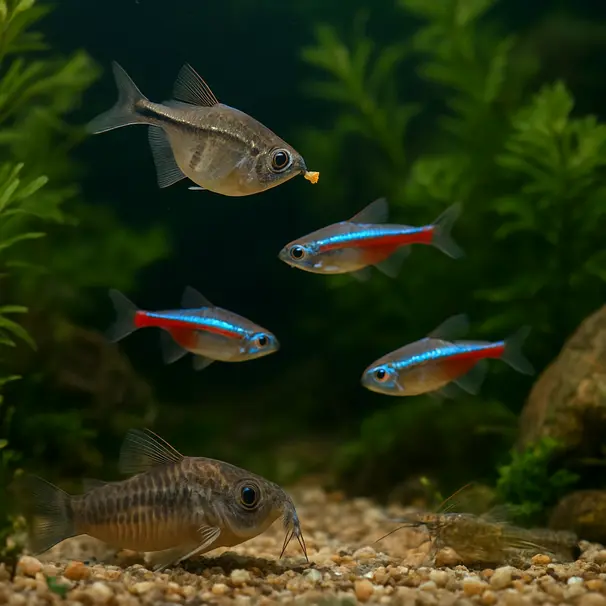
- Bottom-dwellers: Corydoras, loaches and many gobies occupy the lower zone. They pair well with mid- and top-dwelling species when diets and water needs match.
- Territorial species: Cichlids and some gouramis hold and defend areas. They often need larger tanks with visual barriers and tank mates that can stand their ground or keep to different niches.
- Aggression triggers: Breeding, limited hiding spots, or overcrowding can turn mild species aggressive.
Observe behaviour closely after introduction. Early signs of incompatibility include constant chasing, fin nipping, hiding, or loss of appetite. Acting quickly can prevent injuries and chronic stress.
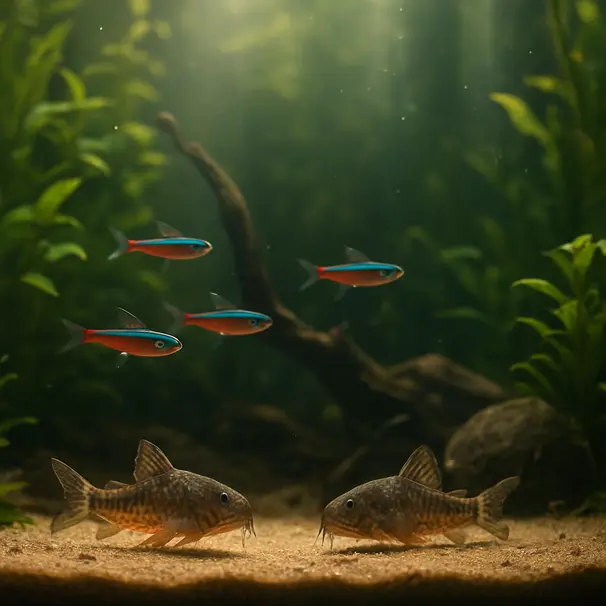
Size, growth and mouth size matters
A happy-looking juvenile doesn’t guarantee adult compatibility. Always plan for the adult size and natural feeding behavior.
- Growth forecasts: Research a species’ adult length and body shape. Fast growers sometimes outcompete smaller tank mates for space and food.
- Mouth gape: Many predatory fish will eat anything that fits in their mouth. Tiny shrimp, snails, and small schooling fish can become snacks.
- Territorial space: Larger species need more swimming room and may become more defensive as they mature.
When in doubt, choose tank mates that are similar in size or robust enough to avoid predation or bullying.
Diet and feeding strategies
Mixing grazers, scavengers, and predators requires a feeding plan that ensures everyone gets enough nutrition.
- Feeding zones: Top feeders like hatchetfish, mid-water feeders like tetras, and bottom feeders like corydoras each occupy different feeding layers. A balanced community often has representation across layers.
- Diet types: Herbivores, omnivores, and carnivores have different needs. Algae-eaters and grazers may need supplemental vegetables or algae wafers.
- Competitive eaters: Fast eaters can dominate mealtimes. Use multiple feeding spots or target feeding to ensure shy species get food.
- Live and frozen foods: Some species benefit from live foods, but these can introduce pests. Quarantine live feeders and offer frozen alternatives when possible.
Care professionals and owners should agree on a feeding schedule and list of foods. This reduces the chance of underfeeding or overfeeding, both of which can cause health and behaviour issues.
Habitat complexity and micro-habitats
The tank’s layout is more than decoration. It defines territories, hiding places and swimming routes.
- Plants and cover: Dense planting helps shy species and reduces stress. Floating plants can diffuse light and create safe zones.
- Caves and hardscape: Rocks, driftwood and caves provide territories and breeding sites for many fish.
- Open swimming areas: Active swimmers like danios and barbs need clear horizontal space.
- Substrate and flow: Sand vs gravel, and water current strength, can determine which species are comfortable in the tank.
Design your tank so each species can claim a niche. Visual barriers and varied structure are especially helpful in mixed communities.
Common compatible combinations (with cautions)
Here are practical pairings that often work, plus caveats and tips.
- Peaceful community freshwater: Tetras (small), rasboras, dwarf rasboras, corydoras catfish, kuhli loaches, and small gouramis. Tip: keep tetras in groups of 6+ for comfort.
- South American biotope: Angelfish, peaceful tetras, and corydoras can work, but watch angelfish as they mature — they may eat very small fish.
- African cichlids: Mix with caution. Malawi and Tanganyika cichlids do better with species from the same lake due to water chemistry and aggression tolerances.
- Brackish setups: Mono fish like scats, some gobies and mollies can adapt to brackish water. Avoid strict freshwater-only species.
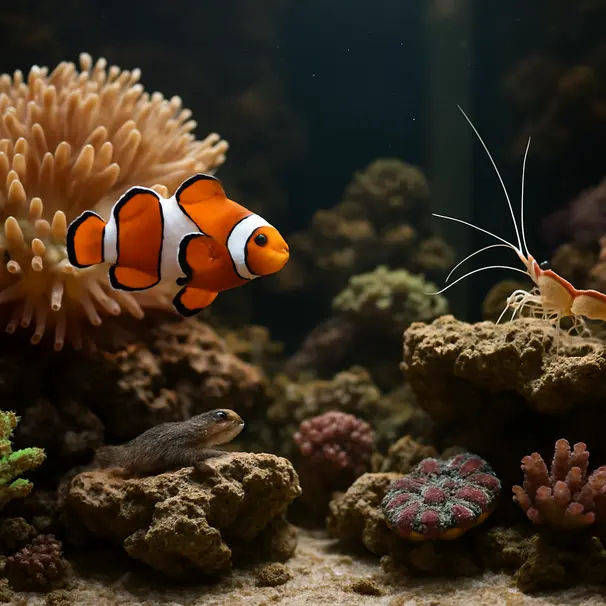
- Saltwater reef: Clownfish, gobies, small blennies, cleaner shrimp and hardy corals can make a vibrant reef. Avoid big, aggressive fish that topple coral or eat invertebrates.
- Shrimp and snail pairings: Amano and cherry shrimp thrive with small, non-predatory fish. Avoid large cichlids and many loaches that eat invertebrates.
Remember that individual temperaments and tank size alter how these groupings perform. Always research species-specific needs.
Quarantine, acclimation and introductions
A careful introduction reduces stress and disease risk.
- Quarantine first: Keep new animals in a separate tank for at least two weeks to watch for illness and treat if necessary.
- Slow acclimation: Float the bag, adjust for temperature, then drip-acclimate for pH and salinity differences. Go slow when exchanging water.
- Rearrange decor: If adding a larger or more dominant fish, rearrange rocks and plants so established fish lose familiar territories and aggression is less targeted.
- Introduce groups together: Adding a whole shoal at once avoids singling out one fish to be bullied.
Good introductions are one of the best predictors of long-term community success.
Troubleshooting conflicts
No matter how carefully you plan, problems can happen. Here’s how to address common issues.
- Persistent nipping: Add hiding places and visual barriers, increase shoal sizes of prey species, or use tank dividers temporarily.
- A single bully: Consider rehoming the aggressive fish or moving it to a species-appropriate tank. Size and temperament mismatches are often irreconcilable.
- Injuries or disease: Isolate injured animals, treat as advised by a vet or experienced aquarist, and check water quality immediately.
- Overcrowding: Reduce stocking levels. More water per fish drastically reduces stress and aggression.
When in doubt, consult an experienced aquarist or a veterinarian who understands aquatic species for guidance.
Working with pet carers on Floofy
If you’re a pet owner hiring a carer, or a carer accepting responsibility for an aquarium, clear communication matters.
- Share details: Provide species lists, water parameters, feeding schedules, medication needs and emergency contacts.
- Leave written instructions: Note preferred foods, acclimation needs for new animals, and any observed quirks or aggressors.
- Check-ins: Arrange photos or short videos during visits so you can spot trouble early.
- Emergency plan: Agree on spending limits for urgent vet care or replacement, and specify who makes decisions if something goes wrong.
Good caretaking is a team effort. Clear notes and regular updates help everyone sleep better at night.
Final thoughts: patience and observation
Compatibility is as much about observation and adaptation as it is about research. Start conservatively, watch behavior closely, and be ready to make changes. Small adjustments to habitat, feeding, or stocking often create big improvements in peace and health.
Aquariums are living systems that reward patience. With the right pairings and thoughtful introductions, you’ll create a home where aquatic pets flourish and delight everyone who watches them glide through the water.
If you’re planning a new community or taking on care responsibilities through Floofy, use this guide as a checklist, and don’t hesitate to ask for specialized help when you need it. Happy aquascaping and peaceful fish-keeping!