

Terrarium design guide for pet carers and reptile owners
Creating a great terrarium is part science, part interior decorating and a lot of everyday care. Whether you care for a single pet at home or look after other people’s reptiles professionally, a well-thought-out habitat helps animals feel secure, eat well, and express natural behaviors. This guide walks through the essentials with friendly, practical tips you can use today.
Why good design matters
A thoughtful terrarium does more than look nice. It helps regulate temperature, humidity and stress levels. It encourages natural activity, which can lead to healthier appetites and clearer behaviour. For carers working with multiple animals, consistent setups also make handling and monitoring easier. Keep in mind that individual species have different needs, so use this as a checklist and adapt it to the specific reptile.
Choosing the right enclosure
Size and shape
- Consider adult size, not hatchling size. Many reptiles need far more space as they grow.
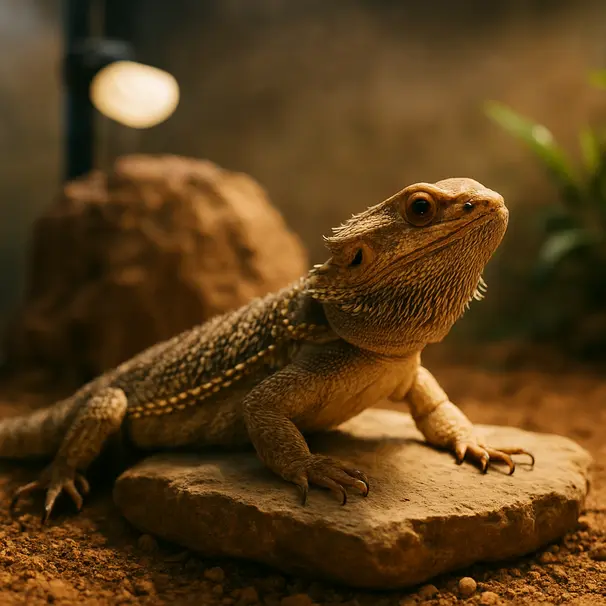
- Horizontal space suits ground-dwelling species like bearded dragons and ball pythons.
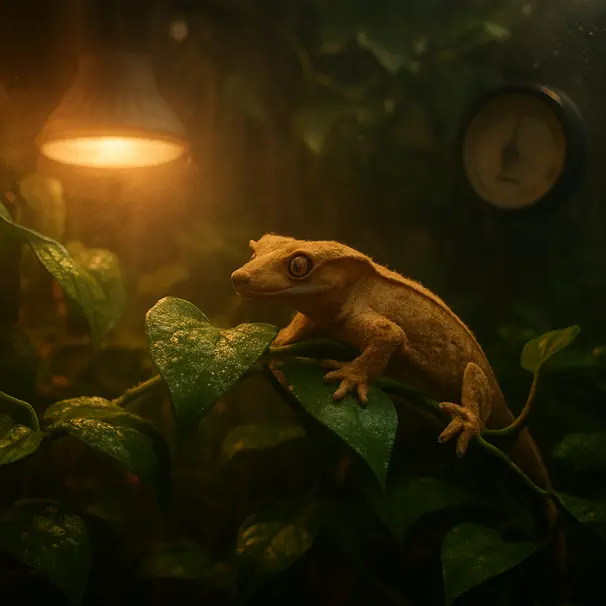
- Vertical space suits arboreal species such as crested geckos and chameleons.
Material and ventilation
Glass tanks, PVC vivaria and custom-built wooden enclosures each have pros and cons. Glass is easy to clean and displays well, but may lose heat faster. PVC and hobby enclosures retain heat and are lighter. Make sure any enclosure provides adequate ventilation for the species. A few well-placed vents help airflow without causing drafts.
Access points
Think about daily care: feeding, misting, spot-cleaning and checking hides. Doors or removable tops that give full access will save time and reduce the risk of escapes. Locks or clips are useful, especially around curious children or other pets.
Heating, lighting and humidity
Thermal gradients
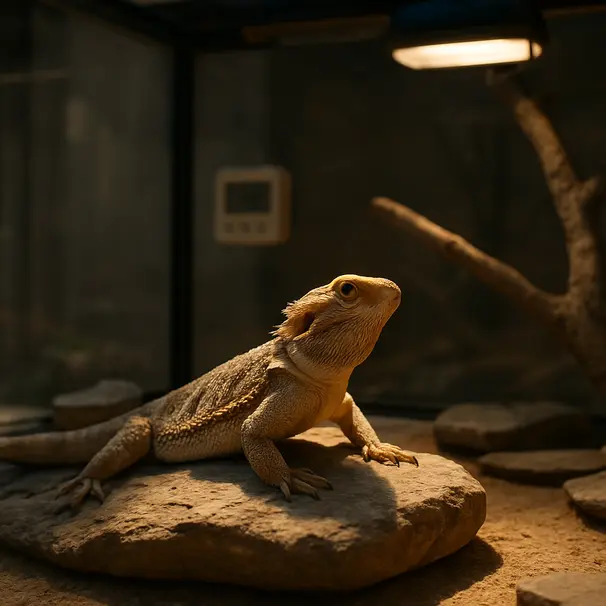
Reptiles regulate their body temperature by moving between warm and cool areas. Create a gradient from a warm, well-defined basking site to a cooler retreat. Position heating elements so the reptile can choose where to be, rather than forcing it into a single temperature.
Heat sources
- Under-tank heaters (UTH) can be good for species that absorb heat through their bellies, but avoid placing them under glass tanks without insulation.
- Ceramic heat emitters and thermostat-controlled basking bulbs offer reliable warmth. Use a thermostat and a thermometer to avoid overheating.
Lighting and UVB
Some reptiles, such as bearded dragons and desert tortoises, benefit from UVB lighting, which can help with calcium metabolism. Others, like many nocturnal geckos, may need low UV or none at all. Consider spectral output and bulb placement. Replace UVB bulbs according to manufacturer schedules, as their output diminishes over time.
Humidity control
Humidity needs vary widely. Tropical species often need higher, stable humidity, while desert species require low, dry air. Measure humidity with a hygrometer and adjust with misting, automated systems, or improved ventilation. Live plants and substrate can help raise humidity in a controlled way. Aim for consistent ranges rather than dramatic swings.
Substrate, decor and enrichment
Choosing substrate
Substrate should be practical and safe. Use absorbent materials for species that benefit from moisture control, and loose or particulate substrates only when there’s no risk of impaction. Some safe options include:
- Paper towel or reptile carpet for quarantine and easy cleaning
- Coconut fiber or eco-earth for tropical setups
- Sand mixes or tile for desert species, with caution about ingestion
- Soil and leaf litter blends for forest-floor enclosures
Hides and microhabitats
Every terrarium needs at least two hide spots: a cooler hide and a warmer hide. Provide a snug, dark retreat and a more open basking area. For arboreal animals, include branches, vines and vertical hides at different heights to let them choose microclimates.
Decor that enriches
Think texture and scent. Branches, smooth rocks and cork bark all give opportunities to climb, dig and explore. Change elements occasionally to provide novelty and encourage natural foraging behaviors. Avoid small or loose items that could be accidentally swallowed.
Feeding and water placement
Place food and water in stable, shallow dishes that are easy to clean. For humid-loving species, an open water bowl can help maintain humidity. For others, misting or drip systems can mimic natural drinking behavior.
Layout examples by species type
Desert-dwelling reptiles (bearded dragons, some uromastyx)
- Basking rock or platform on one side
- Hot and cool gradient across the enclosure
- Low-humidity substrate like tile or compacted sand alternatives
- UVB and a strong basking bulb
Tropical/forest species (crested geckos, green tree pythons)
- Higher humidity with a substrate that holds moisture
- Vertical climbing structures and live or artificial plants
- Lower basking temperatures and gentle nighttime drops
- Misting system or frequent hand-misting
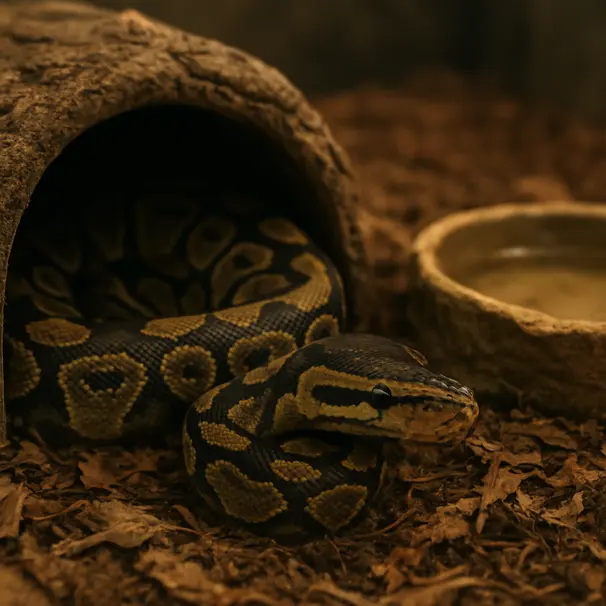
Burrowing or ground-dwellers (ball pythons, some skinks)
- Deep substrate for burrowing if species uses it
- Concealed hides at different depths
- Stable, moderate humidity and a secure water source
Safety and escape-proofing
Secure lids and locked doors
Reptiles are surprisingly good at finding small gaps. Clip doors securely and consider secondary locks. Sliding doors sometimes leave tiny escape gaps; test them before leaving animals unattended.
Heat source safety
Keep heat sources out of reach of curious pets. Avoid loose cords or exposed bulbs that can cause burns or fires. Use ceramic fixtures where possible and always secure bulbs in guarded fittings. A thermostat plus fail-safes can help prevent overheating.
Hazardous materials
Avoid toxic plants, treated wood and anything with sharp edges. Use reptile-safe silicone for seals and check that all adhesives are non-toxic once cured. Watch out for small decorations that pets could chew or ingest.
Cleaning and maintenance
Daily tasks
- Spot-clean faeces and uneaten food
- Check water and refill as needed
- Visual check of animal behaviour and appearance
Weekly tasks
- Clean and replace soiled substrate in localized areas
- Wipe down surfaces with reptile-safe cleaners
- Check equipment: bulbs, thermostats, hygrometers and timers
Monthly tasks
- Deep clean and disinfect non-porous decor
- Replace substrate where necessary
- Inspect enclosure seals and vents for wear
Safe cleaning products
Use reptile-safe disinfectants or a diluted bleach solution followed by thorough rinsing and drying. Never leave residues behind. If an animal is sensitive or injured, consider temporary housing during a deep clean.
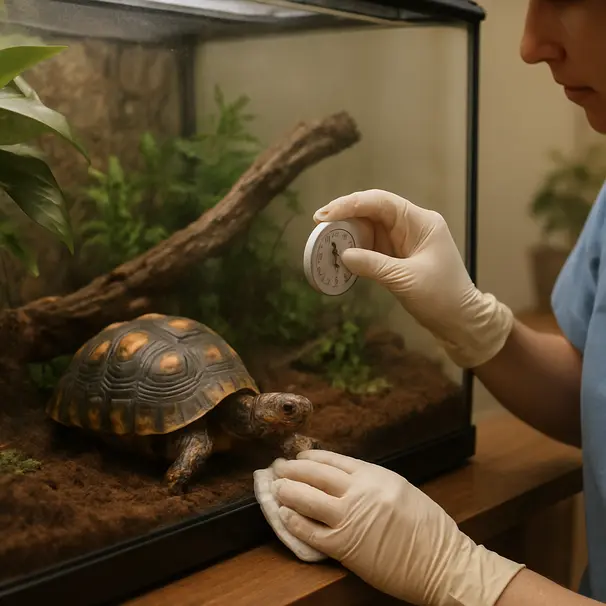
Working with pet carers and guest animals
Clear notes and routines
If you’re a pet carer looking after someone else’s reptile, get a written routine. Include temperature ranges, feeding schedule, favourite hides, handling preferences and emergency contacts. Photos of the setup help ensure you return it to the exact layout.
Introductions and handling
Many reptiles tolerate handling differently. Ask owners about handling techniques and signs of stress for their pet. Keep handling sessions short, gentle and predictable. Avoid handling after feeding or if the animal appears stressed.
Transport and temporary housing
Use secure carriers with correct ventilation and a familiar hide or cloth from the terrarium. During transport, maintain temperature and humidity as best as possible. Let the owner or a vet advise on long trips.
Common mistakes and troubleshooting
Overheating or cold spots
If animals hide constantly or refuse food, temperature may be off. Double-check gradients and thermostats. Consider adding an ambient thermometer and a probe at the basking site.
Humidity swings
If humidity drops quickly, check ventilation and substrate moisture. If it stays too high, improve airflow and reduce water sources. Small changes can often correct larger problems.
Aggressive or stressed behaviour
Changes in appetite, aggression or hiding can indicate stress, illness or improper habitat. Consider husbandry adjustments and consult a reptile-savvy vet if changes persist.
Final tips for a happier terrarium
- Observe more than you change. Small, incremental updates help you learn what works.
- Keep a simple log of temperatures, humidity and feeding. Over time, patterns will become obvious.
- Offer variety within safe limits. A branch moved, a new hide or rotated décor can provide mental stimulation.
- Respect species differences. Two reptiles that look similar might have very different needs.
Creating a terrarium is a rewarding mix of care, observation and creativity. With sensible choices and a bit of routine, carers and owners can provide habitats that feel natural and supportive to reptiles. If you ever suspect illness or nutritional problems, consider reaching out to a reptile-experienced veterinarian. Small improvements in design and maintenance can make a big difference to your scaly friends’ lives.
Resources and further reading
- Local herpetological societies and reputable online forums for species-specific advice
- Vet clinics with reptile or exotic animal experience
- Manufacturer guides for UVB bulbs, thermostats and substrates
Thanks for giving your reptiles thoughtful, comfortable homes. Little changes matter, and your attention helps them thrive.