

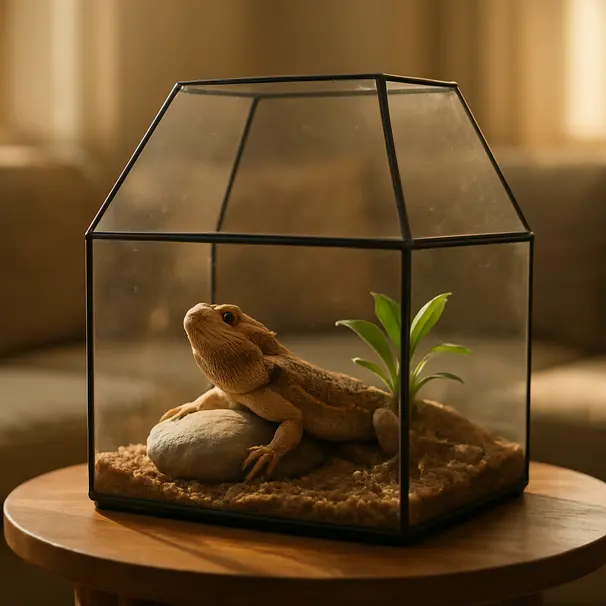
Warm, practical terrarium design tips for reptile owners and pet carers
Creating a comfortable, safe and interesting home for a reptile is one of the sweetest parts of caring for these animals. A good terrarium goes beyond a box with heat and light. It gives your pet clear places to thermoregulate, hide, explore and feel secure. This guide walks through approachable, hands-on tips for owners and pet carers who want setups that look great and keep reptiles thriving.
Start with the animal, not the cage
Every design choice should follow your reptile’s natural history. A desert-dwelling bearded dragon has different needs from a rainforest-dwelling crested gecko. Spend time learning about your species’ daily rhythm, preferred temperatures, activity levels and climbing tendencies. These details shape the enclosure’s size, layout and accessories.
- Ground-dwelling reptiles usually need floor space more than height.
- Arboreal species benefit from tall setups with branching and secure vertical hides.
- Nocturnal reptiles may prefer dimmer hide areas and subtle heat gradients.
If you’re caring for a pet temporarily, ask the owner for any species notes, favourite hide locations and feeding habits. A quick checklist from the owner can help you maintain consistency.
Choosing the right enclosure
Size matters for behaviour and health. Pick an enclosure that gives space for natural movement and temperature gradients. As a rule, bigger is better if the animal’s space needs can be met safely.
- Measure adult size, not baby size. Plan for the full-grown animal.
- For active species, provide room to roam, burrow or climb.
- Ensure the lid or door is secure and well-ventilated.
Glass tanks, PVC enclosures and screened terrariums all have pros and cons. Glass is easy to see into, but can lose heat faster. PVC holds heat well and is lighter, but needs good ventilation. Screened setups let humidity escape, so they may not suit tropical species.
Consider location too. Place the enclosure away from direct drafts, radiators and windows with strong sunlight. Consistent ambient room temperature helps maintain stable gradients inside the terrarium.
Heating, lighting and thermal gradients
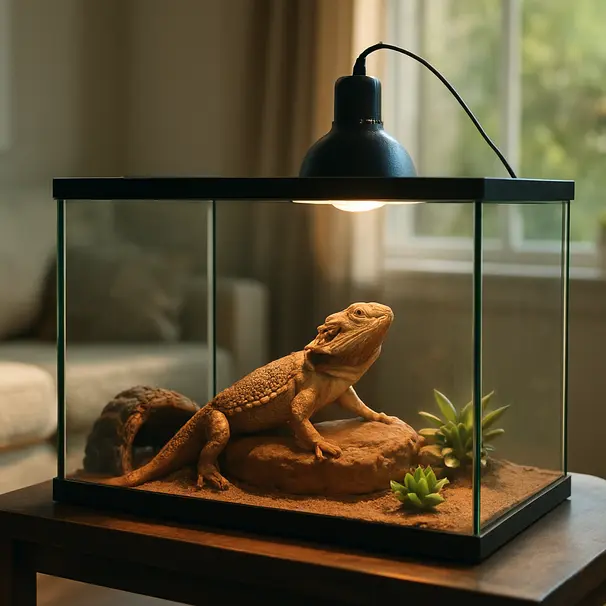
A stable thermal gradient is the backbone of a healthy terrarium. Reptiles rely on external heat to regulate body temperature. Offer a warm basking zone and a cooler retreat so they can choose what they need.
- Use a thermostat to control heating elements. A thermostat can help avoid dangerous temperature swings.
- Basking lamps create a focused warm spot. Ceramic heat emitters can provide heat without visible light for nocturnal species.
- UVB lighting may be essential for some reptiles. Research the UVB needs of your species and replace bulbs according to manufacturer timelines.
Place thermometers at basking and cool ends. A digital probe or infrared thermometer can help you verify surface temperatures on branches and rocks. Remember, surface temperature can differ from air temperature, and reptiles often bask on warm surfaces.
Lighting tips
Mimic natural day-night cycles with timers. For diurnal species, aim for a consistent light schedule that follows approximate sunrise to sunset patterns. For nocturnal reptiles, avoid bright nighttime lighting. Low-level red or infrared lights may be used carefully, but some reptiles can see low wavelengths, so test how your animal behaves.
If you’re unsure about UVB or heat needs, consider consulting a reptile-savvy vet or experienced keeper. Their guidance can help you select appropriate bulbs and placement.
Substrate and decor: safety first
Substrate choice affects humidity, burrowing and cleanliness. Pick materials that are easy to clean and unlikely to cause impaction if ingested.
- For desert species, consider reptile carpet, tiles or calcium sand alternatives that reduce ingestion risks.
- For forest species, bioactive soil mixes with live plants and clean-up crew animals can help maintain humidity and decomposition.
- Avoid loose substrates like small-grain sand for species known to ingest substrate while feeding.
Decor should offer hiding spots, climbing opportunities and surfaces for natural behaviour. Smooth branches, cork bark, hollow logs and rock ledges are useful. Secure any heavy décor so it cannot shift and trap your pet.
Hides and microhabitats
Provide at least two hides: one in the warm area and one in the cool area. Hides can be simple commercially made caves, DIY boxes, or natural-looking cork bark structures. For shy animals, additional snug hides reduce stress and encourage natural routines.
Live plants can help regulate humidity and make an enclosure feel more natural. Use species that tolerate the conditions inside the terrarium and are non-toxic. If you’re new to live plants, start with hardy varieties and monitor soil conditions to avoid mold.
Humidity, water and enrichment
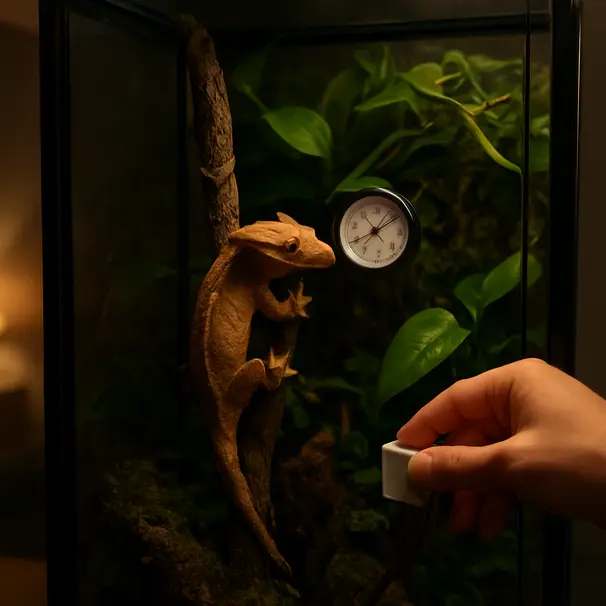
Humidity control may be critical for some reptiles, especially tropical species. A hygrometer helps you monitor the environment accurately.
- Mist or use a fogger to raise humidity for short periods, then allow drying to prevent persistent wetness.
- Provide an appropriately sized water bowl for soaking or drinking. Change water daily and scrub bowls regularly.
- Consider a shallow soak box for species that enjoy bathing. Keep it clean to avoid bacterial growth.
Enrichment keeps reptiles engaged. Simple changes can make a big difference.
- Move non-essential décor occasionally to encourage exploration.
- Offer varied textures on basking spots, such as rough rock and smooth wood.
- Hide food items or use puzzle feeders for species that forage.
Enrichment need not be elaborate. Even a new branch placed in a different position can spark natural curiosity.
Feeding areas and hygiene routines
Designate a feeding zone that’s easy to clean. For insectivores, feeding on a surface or in a separate container can reduce substrate ingestion. For fruit-eating or herbivorous species, shallow dishes placed in the cool area can minimize evaporation.
Cleaning routines make life easier. Try a daily quick check to remove waste and uneaten food, and a weekly deeper clean of surfaces and bowls. Full substrate changes depend on the type of substrate and species. Bioactive setups often need less frequent full clean-outs but require monitoring of the clean-up crew and plant health.
Use pet-safe disinfectants when doing deeper cleans. Rinse thoroughly and let surfaces dry before returning the reptile. If a disinfectant’s safety for reptiles is unclear, choose products labeled for use with reptiles or consult a vet or experienced keeper.
Safety and escape prevention
Reptiles are surprisingly crafty. Secure locks and escape-proof lids will save you stress. Small gaps, loose mesh and poorly fitted doors are common escape routes.
- Test doors and lids daily. A slight nudge should not cause movement.
- Check for sharp edges that could injure the animal.
- Avoid glass lids for species that need climbing space, unless you provide adequate ventilation and vertical structures inside.
Electrical safety matters too. Hide cords, use drip loops, and mount heat sources outside the enclosure when possible. Protect thermostats and thermometers from moisture.
Special considerations for carers
Pet carers often handle short-term stays, visits and check-ins. A few practical habits make carers feel confident and keep reptiles comfortable.
- Get a quick owner briefing. Ask for feeding times, favourite hide spots, thermostat settings and emergency contact details.
- Keep a care log. Note temperature readings, feeding responses and any unusual behaviour. This helps owners see what happened during your visit.
- Respect routines. Reptiles can be sensitive to frequent changes. Small, consistent routines help reduce stress.
If you’re looking after multiple reptiles, keep gear labeled and avoid cross-contamination between enclosures. Use separate tools for different animals and wash hands between visits.
Troubleshooting common setup problems
- Bored or inactive reptile: Check thermal gradients, hide placement and lighting. Sometimes a warmer or cooler hide, or a better basking surface, can prompt normal activity.
- Mold or persistent dampness: Improve airflow, reduce over-misting and check substrate drainage. Bioactive setups can balance moisture, but they still need occasional attention.
- Overheating: Ensure thermostats and thermostatic controllers are working. Provide safe retreat spaces; ceramic heat emitters without light can be helpful at night for some species.
When in doubt about behaviour, appetite or health changes, consider consulting an experienced reptile vet. Many health issues are easier to address when caught early.
A simple terrarium checklist for daily and weekly care
Daily
- Quick visual check of animal’s posture and breathing
- Remove visible waste and uneaten food
- Check water bowl and refill if needed
- Glance at thermostat and thermometers
Weekly
- Clean feeding dishes and water bowls thoroughly
- Spot-clean substrate and wipe down high-use surfaces
- Check lights and heating elements for wear
- Move or rearrange decor for enrichment, if safe
Monthly or as needed
- Replace UVB bulbs per manufacturer guidance
- Deep clean or replace substrate depending on type
- Inspect enclosure for wear and repair needs
Final thoughts
A thoughtful terrarium balances comfort, safety and stimulation. Small changes, like a new hide or a better thermostat, can make a big difference in your reptile’s well-being. As a pet owner or carer, your attention to detail and curiosity about what the animal prefers will pay off with a calmer, healthier pet.
If you’re ever unsure about temperature ranges, UVB strength or signs of illness, check with a reptile-savvy veterinarian. Their input can help you fine-tune a setup with confidence.
With the right setup, daily routine and a few enrichment ideas, your terrarium can be both beautiful and functional. Enjoy learning what makes your reptile feel most at home. Happy terrarium-making!