


Terrier breeds ranked: which suits you best
Terriers have big personalities packed into compact bodies. They’re curious, brave, and often mischievous, with a stubborn streak that can be part of the charm. If you’re thinking about adding a terrier to your household, this guide will help you work out which breed fits your pace of life, living space, and experience as a pet owner or carer.
I’ll walk you through what terriers tend to be like, what to consider before choosing one, and a friendly ranking of ten popular terrier breeds with practical notes on exercise, grooming, temperament, and who they suit best. Expect honest pros and cons, plus tips for training, enrichment, and connecting with trusted pet carers on Floofy.
What makes a terrier a terrier?
Terriers originated as hunters of vermin. That history still shows up today: many terriers are bold, alert, and love to chase. They often have high prey drive, quick minds, and a need for purpose. Physically they range from tiny toy-sized breeds to larger, wiry-coated dogs.
Personality-wise terriers are typically:
- Energetic and playful
- Confident and independent
- Vocal at times
- Quick learners, though often stubborn
They can be incredibly loyal and affectionate, but they usually like to keep busy. A bored terrier may invent its own entertainment—digging, chasing, or shredding soft furnishings—so planning for daily activity and mental stimulation is essential.
How to choose the right terrier for your life
Think about these practical points:
- Energy and exercise: Can you commit to daily walks and play sessions? High-energy terriers need more than casual strolls.
- Living space: Some terriers adapt well to apartments; others prefer a yard to patrol and explore.
- Grooming: Wire-coated terriers may need hand-stripping or regular professional trims. Smooth-coated ones often only need weekly brushing.
- Training patience: They can be independent learners. Positive reinforcement, short lessons, and consistency work best.
- Family compatibility: Many terriers love kids, but early socialization is key. Supervise interactions and teach gentle handling.
- Other pets: Strong prey drive can make small pets (rabbits, guinea pigs) risky companions.
If you plan to hire a pet carer, look for someone experienced with terriers or willing to learn breed-specific quirks. A good carer can keep a terrier mentally engaged and prevent common problems like excessive barking.

Ranking: Ten terrier breeds and who they suit
I’ve ranked these terrier breeds with a focus on accessibility for a range of owners. Each entry includes temperament, exercise and grooming needs, training tips, and the best home match.
1. Jack Russell Terrier
Energy: Very high Grooming: Low to moderate Training: Challenge level: high (very independent)
Jack Russells are tiny dynamos. They love speed, digging, and agility games. If you enjoy running, dog sports, or long play sessions, a Jack Russell will join in with enthusiasm. They’re extremely bright but often decide they know better, so training needs to be fun, varied, and short.
Best for: Active singles, sporty families, experienced dog owners.
Practical tip: Use secure fencing and supervised off-leash time. Nosework and agility classes channel their focus.
2. West Highland White Terrier (Westie)
Energy: Moderate Grooming: Moderate (regular brushing, occasional trims) Training: Challenge level: moderate
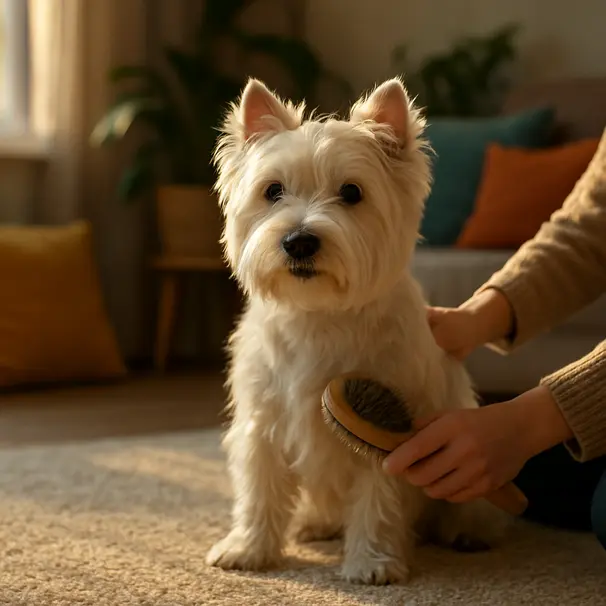
Westies are friendly, feisty, and a little dignified. They tend to be good with families and adapt to apartment life if given daily walks and play. Their white coat needs attention to prevent matting.
Best for: Families and city dwellers who like a sociable companion.
Practical tip: Early socialization with other dogs prevents over-assertiveness. Puzzle toys are a winner.
3. Yorkshire Terrier (Yorkie)
Energy: Moderate Grooming: High (long coat options, or a low-maintenance trim) Training: Challenge level: moderate
Yorkies are tiny but full of attitude. They adore attention and can be great lap companions. Their small size makes them suitable for apartments, though they can bark at new noises.
Best for: Urban owners who want a compact, affectionate dog.
Practical tip: Regular grooming keeps their coat healthy. Teach quiet cues early to manage barking.
4. Border Terrier
Energy: Moderate-high Grooming: Low (wire coat, occasional stripping) Training: Challenge level: moderate
Border Terriers are gentle, intelligent, and often excellent with children. They enjoy moderate exercise like long walks and play, and they can be calmer than some of the flashier terriers.
Best for: Families and mixed households seeking a steady, friendly terrier.
Practical tip: They love digging; provide a sandbox or digging zone to keep them satisfied.
5. Cairn Terrier
Energy: Moderate Grooming: Moderate (hand-stripping recommended) Training: Challenge level: moderate
Cairns are cheerful and curious. They bond tightly with family members and are resilient with a streak of independence. They thrive with steady routines and mental games.
Best for: Families and single owners who want a sturdy, affectionate terrier.
Practical tip: Rotate toys to keep them mentally sharp. Short training sessions work well.

6. Scottish Terrier (Scottie)
Energy: Low-moderate Grooming: Moderate-high (regular professional trims) Training: Challenge level: moderate-high (proud and independent)
Scotties are dignified and sometimes aloof with strangers. They make loyal companions and are often content with moderate daily exercise. Their coat benefits from regular care.
Best for: Adults and calm households who appreciate a quieter terrier.
Practical tip: Firm, gentle leadership helps—consistency is the key.
7. Staffordshire Bull Terrier
Energy: Moderate-high Grooming: Low Training: Challenge level: moderate
Often grouped with terriers historically, Staffies are affectionate and people-focused. They tend to be very loyal and thrive on companionship. Early socialization and positive training produce confident dogs.
Best for: Families who want a sturdy, loving companion and can commit to regular exercise.
Practical tip: They love interactive games. Supervised meets with small animals are wise because of strong bull-type instincts.
8. Bull Terrier
Energy: High Grooming: Low Training: Challenge level: high (strong-willed)
Bull Terriers have a singular charm and a lot of energy. They adore play and can be clowns at heart, but they need consistent training and socialization to channel their enthusiasm positively.
Best for: Experienced owners who can offer structured activity and leadership.
Practical tip: Consistent boundaries and lots of early social experiences help prevent pushy behavior.
9. Airedale Terrier
Energy: High Grooming: Moderate-high (wire coat maintenance) Training: Challenge level: moderate-high (very smart, sometimes independent)
The Airedale is the largest terrier and often called the “King of Terriers.” They’re adventurous, versatile, and excel at many dog sports. Their size and energy mean they need space and purposeful outlets.
Best for: Active families with yards or owners who love outdoor adventures.
Practical tip: Combine physical exercise with training challenges like scent work to keep them satisfied.
10. Fox Terrier (Smooth or Wire)
Energy: High Grooming: Low-moderate Training: Challenge level: high
Fox Terriers are classic terrier characters: bright, bold, and tireless. They do best with committed, consistent training and plenty of stimulation to prevent boredom.
Best for: Active, experienced owners who enjoy play and training sessions.
Practical tip: Provide safe, fenced areas for off-leash play. Enrichment walks help curb digging and hunting instincts.
Training and enrichment — terrier-specific tips
Terriers learn fast but can choose not to cooperate. Use short, joyful training bursts and reward-based methods. Some tactics that work well:
- Scent work and puzzle feeders to engage their noses
- Agility or flyball for athletic breeds
- Clicker training for precise behaviors
- Scheduled play sessions to burn energy before training
- “Quiet” cues and distraction management for bark-prone dogs
Consistency and patience pay off. If you’re working with a new terrier and feel stuck, consider booking a few sessions with a trainer or a Floofy carer experienced with terriers. They can show practical handling techniques and help reinforce household rules.
Grooming and health basics (non-medical advice)
Grooming needs vary. Wire-coated terriers often benefit from hand-stripping to maintain coat texture, while smooth-coated breeds are lower maintenance. Regardless of coat type:
- Brush regularly to prevent mats
- Check ears and teeth weekly
- Trim nails as needed
If you notice anything unusual—skin changes, persistent limping, appetite shifts—consider consulting a vet. Regular check-ups can help spot issues early.
Living with a terrier: daily routine example
A predictable routine helps raring terriers settle into family life. Here’s a sample daily outline:
- Morning: brisk walk and short training session
- Midday: mental enrichment (puzzle toy or a supervised play) or a visit from a trusted carer
- Afternoon: active play or short run
- Evening: relaxed cuddle time and calm indoor games
If you’re away during the day, a pet carer or dog walker can provide exercise and human company to prevent loneliness and destruction.
Finding the right match and trusted care
Adopting or buying a terrier is a long-term commitment. Meet dogs in a calm environment, ask about temperament, and if possible, spend time with the dog’s current carer or foster to see real behavior. For busy owners, Floofy carers can provide trial sits, introductions, and short-term care so you can see how a terrier fits your routine.
Questions to ask a breeder, rescue, or carer:
- How does the dog react to children and other dogs?
- What exercise and enrichment does the dog need daily?
- Any known health or behavioral quirks?
- Can I arrange home visits or trial days with a carer?
A responsible carer will be honest about a dog’s needs and suggest realistic match-making.
Final thoughts: choose the terrier that makes your heart and life sing
Terriers bring joy, energy, and comic relief to a home. The best match balances your lifestyle with a dog’s temperament and needs. If you love a spirited companion who’s up for adventure and lots of personality, a terrier could be your perfect fit.
Take time to research, meet different breeds, and connect with experienced carers who know terrier ways. With the right match and thoughtful planning, a terrier becomes not just a pet, but a joyful, loyal member of the family.
If you’d like, browse local terrier-friendly carers on Floofy to arrange a meet-and-greet or a trial walk—small steps help big matches last a lifetime.