

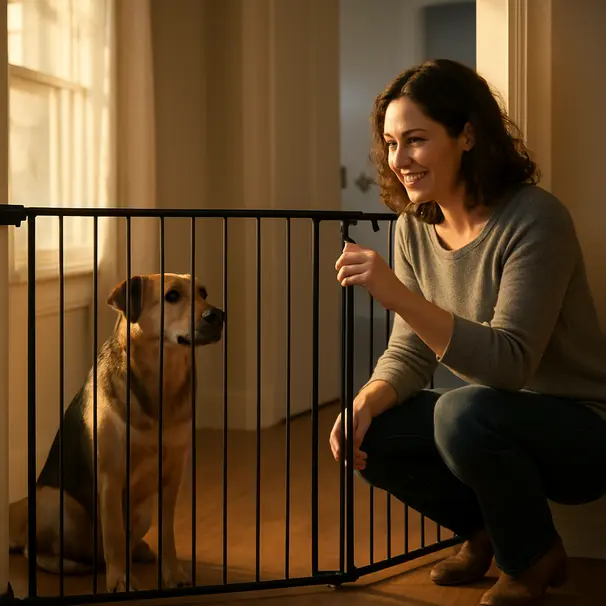
Intro: For the Houdini hound in your life
Some dogs think every door is a dare. They slip under, squeeze around, or negotiate latches like tiny four-legged locksmiths. If you’ve ever chased a dog around the block, had a sneaky escape during a house sitter exchange, or come home to find a slobbery path of mischief through the neighborhood, you know the value of a strong, smart gate.
This guide looks at nine reliable dog gates for 2026 with a focus on escape artists. I’ll walk you through what to look for, give honest pros and cons for each pick, share installation tricks, and offer training tips to help the gate actually work. Think of this as a friendly neighborhood chat with practical steps you can use tonight.
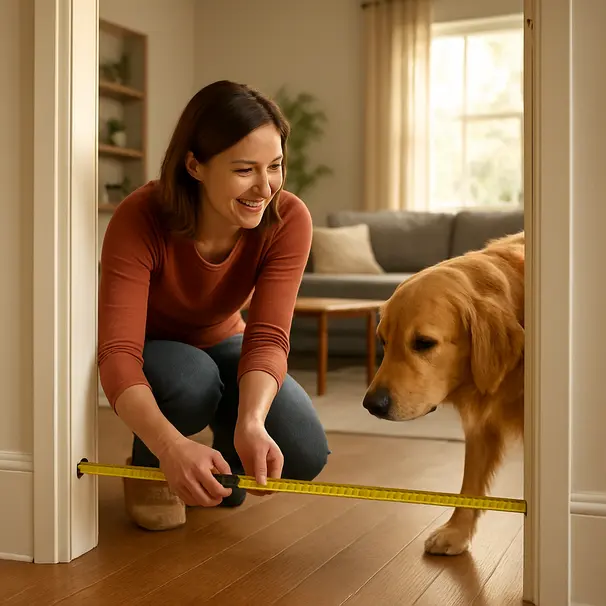
Measuring and planning before picking a gate.
How to choose a gate for escape artists
Before you pick a model, spend a few minutes measuring and observing. Note your dog’s height at the shoulder, their jumping ability, and favorite escape tactic. A 12-inch jumper and a 70-pound wriggler mean different needs than a polite small pup.
Height and reach
As a rule, tall is good. For jumpers, a gate at least 4–5 inches taller than their standing height helps. For determined climbers, consider models 36 inches or taller. If you’re unsure, add an extra 4–6 inches to be safe.
Strength and materials
Metal or solid wood frames beat flimsy plastics. Look for steel bars or reinforced wood and sturdy hardware. Pressure-mounted gates can be fine for calm dogs, but escape artists often need hardware-mounted options that bolt into a wall for long-term security.
Latch security and chew resistance
Many dogs learn how to paw open simple latches. Choose self-locking, out-of-reach latches or baby-proof styles with a two-step release. If your dog chews, pick metal or thick wood over thin plastic.
Mounting style
Pressure-mounted gates are quick and renter-friendly, but they can be dislodged by determined dogs. Hardware-mounted gates are more permanent and much harder to defeat. Some gates offer both options, so you can switch if needed.
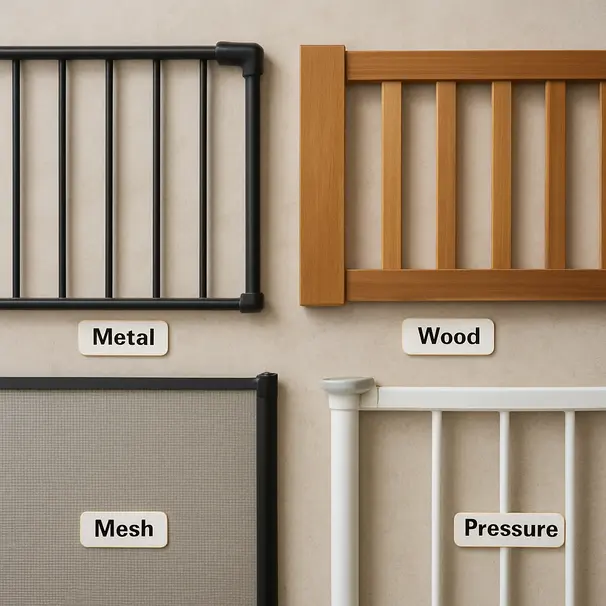
Comparing gate styles and latch security options.
The 9 best dog gates for escape artists (2026 picks)
Below are picks grouped by common needs. Short reviews, what each gate is best for, and a few realistic pros and cons. I tried to keep this honest and practical, like advice from a fellow pet lover who’s seen their fair share of escape attempts.
1. Tall Steel Walk-Through Gate — Best overall for determined dogs
Why it works: Tall, heavy-duty steel frame, self-closing walk-through door, and a latch that human hands operate easily but is tricky for paws. Pros: sturdy, wide fit for hallways, secure latch. Cons: heavier to install, needs hardware mounting for full security.
2. Adjustable Metal Configurable Gate — Best for custom layouts
Why it works: Configurable panels allow you to build around stairs, odd openings, or create a pen. Pros: flexible, tall panel options, durable finish. Cons: takes up floor space and can be more expensive for lots of panels.
3. Retractable Mesh Gate — Best for temporary doorway barriers
Why it works: Retractable fabric is great for tight style-conscious homes and quick installations. Pros: compact when not in use, gentle on paws. Cons: not ideal for chewers or massive dogs; some escape artists can test weak points.
4. Solid Wood Decorative Gate — Best for homes with style concerns
Why it works: Blends with furniture while offering height and a solid barrier. Pros: attractive, sturdy if well-built. Cons: can be vulnerable to chewing unless reinforced; hardware mount recommended.
5. Heavy-Duty Pressure Mount Gate — Best for renters who need strength
Why it works: Extra-wide pressure mounts with thicker frames give more resistance than basic pressure gates. Pros: no drilling, adjustable width, quick setup. Cons: still removable if a dog leans and pushes persistently; check for slippage periodically.
6. Extra-Tall Gate with Top Hinge — Best for jumpers and climbers
Why it works: Tall profile and secure top hinge limit climbing and jumping. Pros: height discourages jumps, professional look. Cons: installation requires sturdier wall anchors and possibly a helper.
7. Foldable, Portable Playpen Gate — Best for travel and temporary pens
Why it works: Multi-panel foldable design creates a small play area indoors or outside. Pros: portable, versatile. Cons: panels can be knocked over by heavy dogs unless staked or weighted down outdoors.
8. Walk-Through Baby Gate with Double Lock — Best for latch-savvy dogs
Why it works: Baby gates with a double-lock mechanism add an extra step that confuses many dogs. Pros: affordable, easy to find replacement parts. Cons: some models use plastic latch components that can wear out over time.
9. Full Doorway Hardware-Mounted Gate — Best for absolute peace of mind
Why it works: Bolts into the door frame, and often uses stronger welding and thicker metal. Pros: hardest to defeat, great for high-risk escape artists. Cons: permanent-ish installation, may require professional help for perfect fit.
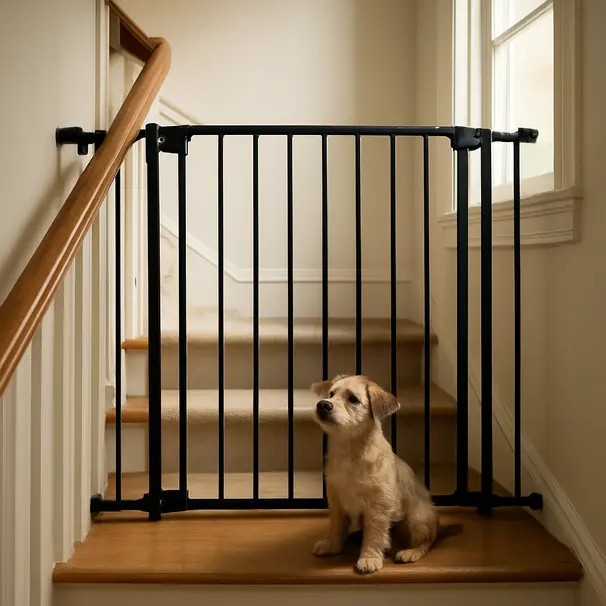
A sturdy gate protecting a curious puppy from the stairs.
Short buying checklist
- Measure the opening and your dog’s jumping height.
- Decide pressure vs hardware mount depending on permanence and dog behavior.
- Look for tall profiles, strong materials, and secure latches.
- Consider a combo: a hardware-mounted main gate plus a portable pen for visitors or sitters.
Installation tips and tricks
Install carefully. A poorly installed gate is an invitation to try again. Use the right anchors for your wall type, tighten pressure mounts incrementally, and test the latch from both sides. If your dog tries to push the gate repeatedly, add a bumper or attach a lightweight bar at the base to prevent leverage.
Wall anchors and reinforcement
If you’re using screws, pick anchors rated for the load and for drywall, masonry, or plaster as needed. For heavy gates, find studs with a stud finder and mount into wood when possible. If a perfect stud alignment isn’t available, use heavy-duty toggle bolts or molly anchors.
Protecting paint and trim
Use foam pads or rubber bumpers between pressure-mounted feet and the wall. They reduce marking and help maintain friction. For hardware mounts, consider small felt pads where metal brackets meet finished wood to reduce scratching.
Testing security
Once installed, try a few tests: give it a firm push where your dog would, try to lift or wobble it, and test the latch repeatedly. If there’s movement, reinforce it. A gate that moves slightly can teach an escape artist to exploit the gap.
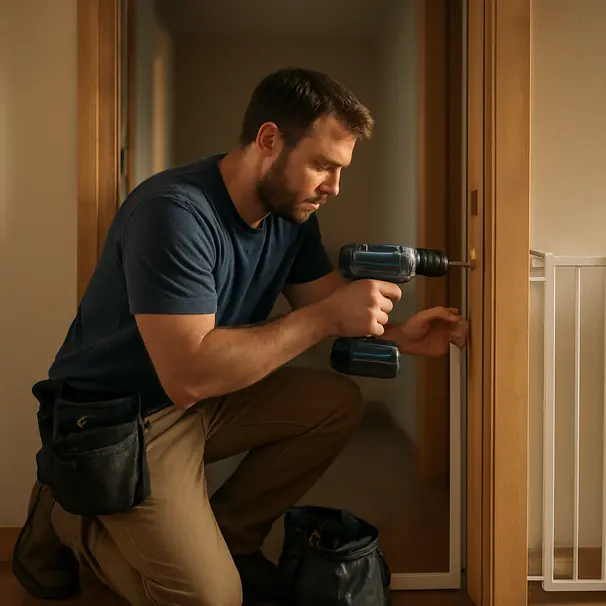
Pet carer installing a hardware-mounted gate professionally.
Training your escape artist to respect the gate
A gate is a tool, not a solution by itself. Combine it with training so your dog learns that the gate marks a boundary. Start with short boundary sessions and reward calm behavior. If your dog scratches or barks, wait for silence and reward, so they learn quiet is what gets them what they want.
Make the gate a positive place
Use treats, toys, or a stuffed food puzzle on the safe side of the gate to build good associations. Practice short separations while you’re in view, then gradually step out of sight for longer stretches.
Increase exercise and enrichment
Many escape attempts come from boredom. A tired dog is a content dog. Add walks, play sessions, and mental puzzles so the gate doesn’t become the only outlet for energy.
Use a layered approach
Combine the gate with other strategies: baby gates plus a crate for very determined dogs, or a secure room with dog-proofed surfaces. If your dog repeatedly defeats a barrier, consider a behaviorist or trainer for tailored solutions.
When a gate isn’t enough
Sometimes a gate is a short-term fix. If your dog is extremely anxious, highly motivated by an outside stimulus, or very clever at manipulation, consider these steps: consult a trainer for behavior modification, use supervised crate time for safety, or create a completely escape-proof room with no chewable edges and soft flooring. Always keep safety first; if your dog injures themselves trying to escape, consult your vet and a trainer.
Maintenance and seasonal considerations
Check latches, screws, and tension regularly. Winter cold can make metal latches stiff; a little silicone lubricant can help. Outdoors, retractable mesh can degrade in sun and wet conditions, so move it inside during harsh seasons or pick weatherproof materials.
Quick hack ideas from pet carers
- Attach a motion-activated noise machine temporarily to discourage repeated jumping at a newly installed gate.
- Place a scent-rich towel with your scent on the safe side to calm separation anxiety during training.
- Use non-toxic bitter spray on wooden gates if chewing is the main issue, but pair it with training so they learn alternatives.
Final thoughts
Escape artists keep life interesting, and a reliable gate brings calm to the chaos. Pick a gate that matches your dog’s ingenuity: tall, heavy-duty, and properly mounted for the truly determined. Pair the barrier with training and enrichment, and you’ll protect your pup and your peace of mind. If you’d like hands-on help, Floofy carers can assist with setup, training reinforcement, or even a short sit to trial a new gate in real home conditions. Stay safe, keep the snacks handy, and give your little Houdini a warm pat when they behave.