

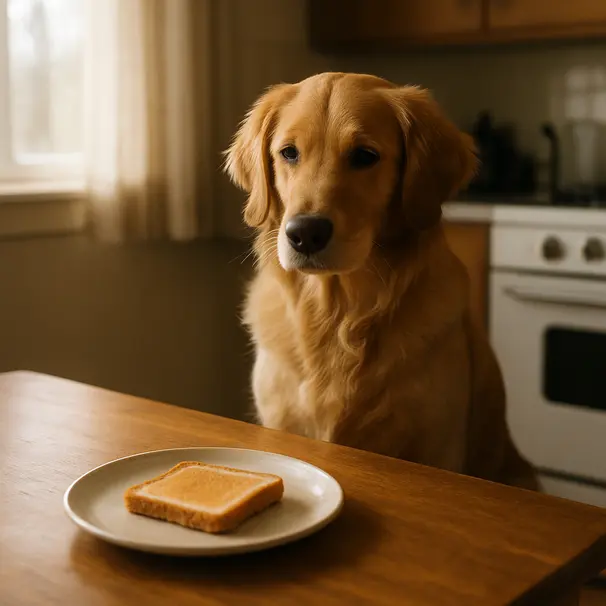
Can dogs have toast? A simple answer
Most of the time, a small piece of plain toast won’t harm a healthy dog. Dogs are often curious and will gladly sample whatever we’re eating. Toast is simply bread that has been browned by heat, and a tiny, plain piece may be fine as an occasional treat. That said, there are important caveats to keep in mind before you hand over crumbs.
What to watch out for: common risks and surprises
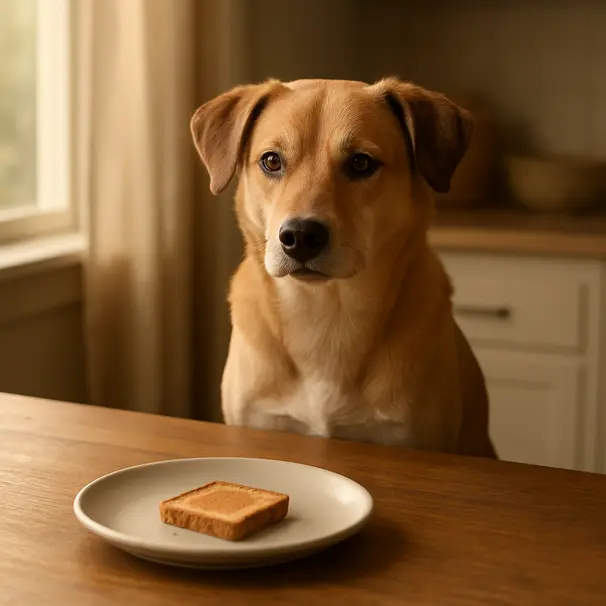
Bread and toast may look harmless, but what’s on the bread matters far more than the bread itself. Here are the main concerns to consider.
Dangerous toppings and spreads
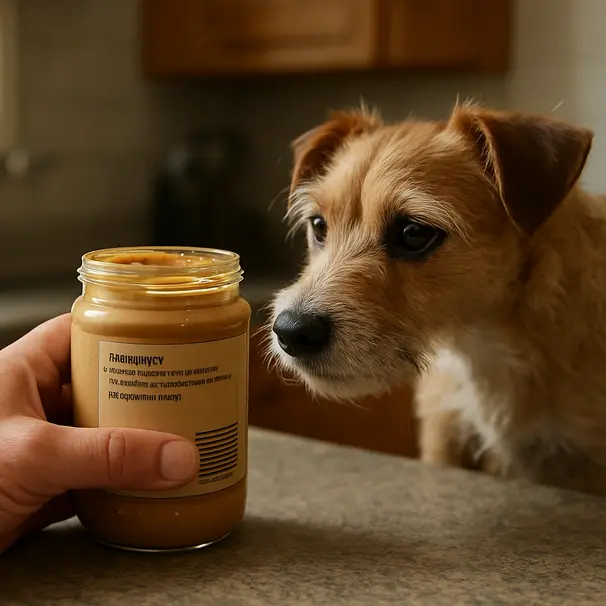
- Xylitol: This artificial sweetener is extremely toxic to dogs. It can be found in some peanut butters, sugar-free spreads, and human foods. Even a small amount may cause a severe reaction in small dogs, so double-check labels and avoid anything labeled “sugar-free.”
- Butter and margarine: High in fat, these can upset a dog’s stomach and might contribute to pancreatitis in susceptible animals. A lick or two could be okay for many dogs, but larger amounts are best avoided.
- Chocolate and cocoa: Never give chocolate. Even a bit on toast can be dangerous depending on the type and the dog’s size.
- Sweet spreads: Jams, honey, and syrups are high in sugar. They aren’t toxic in small amounts, but regular offerings can contribute to weight gain and dental problems.
Bread-related issues
- Salt: Some breads contain extra salt. Too much sodium may be a problem for dogs with heart or kidney conditions.
- Yeast dough: Unbaked bread dough rises and ferments. Raw dough can expand in a dog’s stomach and produce gas, which can be dangerous. Don’t give dogs raw dough.
- Gluten and wheat sensitivities: True wheat allergies in dogs are uncommon, but they do exist. If your dog has a known allergy or chronic digestive issues, avoid bread unless your vet says otherwise.
- Burnt toast: Charred or very dark toast contains compounds that may irritate the gut and aren’t worth the risk.
Choking and portion size
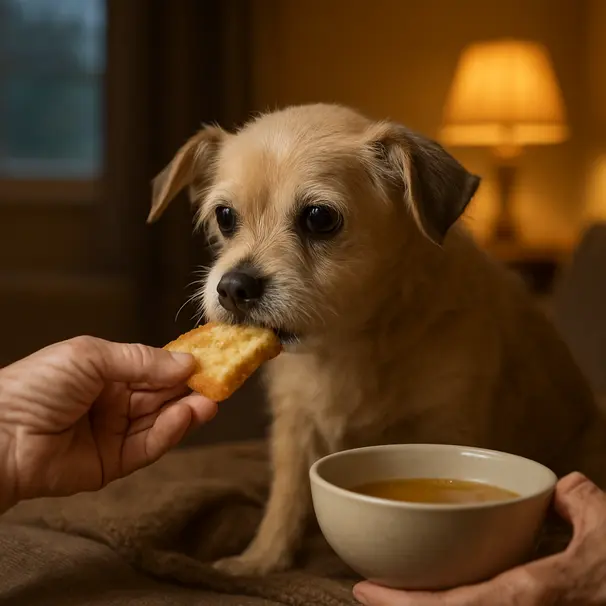
Toast can be crisp and brittle, which may break into sharp shards. Cut toast into small, manageable pieces for small dogs and always supervise eating. For toy breeds and senior dogs with dental issues, softening a tiny piece in water or broth may be safer.
When toast could be especially risky
Consider skipping toast entirely for dogs with certain conditions. For example:
- Dogs with diabetes, obesity, or pancreatitis may react poorly to high-fat or high-sugar toppings.
- Dogs on restricted diets for medical reasons should only have human foods when approved by a veterinarian.
- Very young puppies and elderly dogs with weak jaws or dental disease may choke more easily.
If your dog has health issues, check with your vet before introducing toast or any new human food.
How to serve toast safely: practical tips
If you’re offering toast as an occasional treat, here are simple steps to reduce risk and keep the moment pleasant.
- Keep it plain: A thin piece of plain, lightly toasted bread is the safest option. Avoid spreads and toppings unless you know they’re dog-safe.
- Watch portions: Limit it to a few small bites, about the size of a training treat for small dogs. Treats should generally make up no more than 10% of daily calories.
- Cut and soften for safety: Cut toast into small squares or thin strips. For dogs with dental problems, soak a tiny piece in warm water or low-sodium broth until it softens.
- Supervise eating: Stay nearby while your dog eats toast, especially if it’s their first time. That way you can intervene if they cough or try to swallow a large piece whole.
Dog-friendly toppings and alternatives
If you want something that feels more like a human snack but is kinder to canine digestion, try these safe, simple options in moderation.
- Plain, unsweetened peanut butter: Use only brands without xylitol. A small smear can be a delightful taste for many dogs.
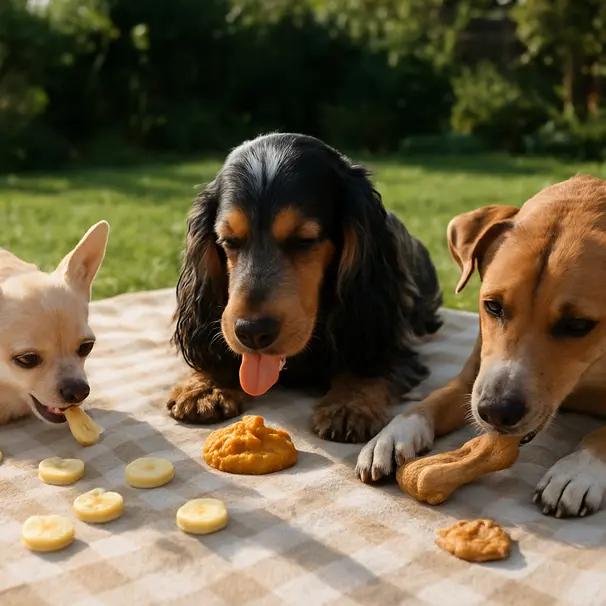
- Mashed banana: A small amount of banana can add sweetness and texture. Bananas are high in potassium, so keep portions small.
- Plain cooked pumpkin: Not the pie filling. Plain canned pumpkin (100% pumpkin) can be a gentle, fiber-rich topping in tiny amounts.
- Cottage cheese or plain yogurt: Plain varieties with no added sugar may be okay for dogs that tolerate dairy. Use sparingly.
If you want to avoid bread entirely, offer small pieces of apple (without seeds), carrot sticks, or plain cooked sweet potato. These are nutritious, chewy, and often better choices than toast.
Fun and safe ways to use toast in enrichment
Treat time can be more than a snack, it can be a bonding moment or mental exercise. Here are creative, low-risk ideas that use toast sparingly.
- Small training rewards: A tiny crunchy piece can work as a high-value treat during short training sessions.
- Puzzle introduction: Place a sliver of safe, plain toast inside a food puzzle to encourage problem solving. Prefer softening it first if the puzzle has small openings.
- Scent games: Rub a tiny bit of dog-safe spread on a piece of toast and hide it for a gentle sniff-and-find game. Be careful with any spread you use and avoid toxic ingredients.
What to do if your dog eats something unsafe
If your dog accidentally eats toast with a harmful ingredient, such as xylitol or chocolate, act quickly. Signs of trouble vary by substance and dog size. Contact your veterinarian or an emergency pet poison hotline right away. Record the product label, the amount eaten, and your dog’s weight. These details help professionals assess risk and advise next steps.
For non-urgent concerns, monitor your dog for vomiting, diarrhea, lethargy, changes in appetite, or unusual behavior. If anything seems off, err on the side of caution and consult your vet.
Toast and diet balance: keeping treats thoughtful
Human food can make life fun for dogs, but it should never replace a balanced dog diet. Think of toast as an occasional novelty, not a daily snack. Treats, including food like toast, should ideally be counted toward your dog’s daily caloric intake so you don’t unintentionally overfeed.
If you enjoy sharing food with your dog, consider stocking pet-safe options in the kitchen. That way you always have something reliable to offer without worrying about hidden ingredients.
Quick checklist: safe toast for dogs
- Is the toast plain and lightly browned? Good.
- No xylitol, chocolate, or sugary spreads? Good.
- Cut into small pieces and supervised? Good.
- Has your dog got a medical condition or allergies? Check with a vet first.
If you can tick the boxes, a small piece of toast as a one-off treat is usually fine. If you can’t, skip it and choose a safer alternative.
Final thoughts: treat smart, love freely
Dogs thrive on routine, affection, and a clear, calm human voice. Sharing a tiny bite of toast can be a sweet, bonding moment. Keep portion sizes tiny, avoid dangerous toppings, and consider your dog’s medical needs. When in doubt, choose a simple, dog-safe alternative, or ask your veterinarian. The goal is to enjoy treats together while keeping your furry friend healthy and happy.
If you’re a pet carer or sitter on Floofy, mention any diet preferences or restrictions in the pet profile. That helps everyone stay safe and keeps snack time stress-free for both dogs and humans.
Want more ideas?
If you’d like simple, vet-friendly snack recipes or training treat suggestions tailored to your dog’s size and health, consider asking a trusted pet carer or your vet. Small adjustments can make snack time both delicious and safe.