

Travel emergency checklist for pet owners and pet carers
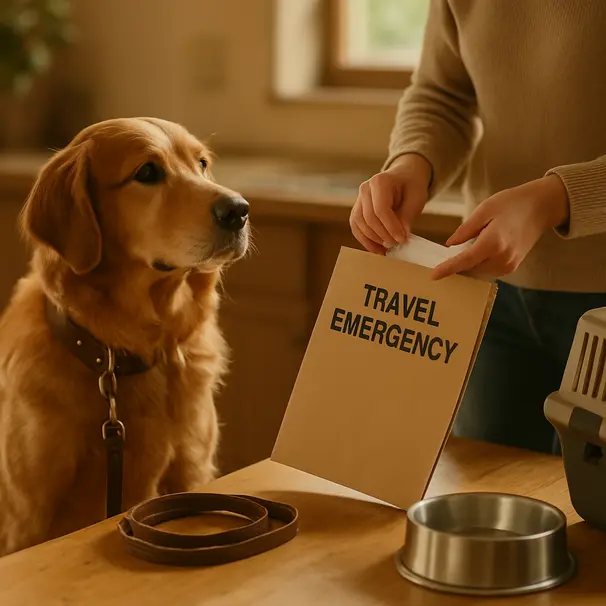
Travel can be joyful and stressful at the same time, especially when a furry friend is involved. This checklist is written for pet owners and pet carers who want practical, calm guidance for handling unexpected situations on the road. Use it to prepare, communicate, and act quickly if an emergency happens. Keep a printed and digital version handy, and update it before every trip.
Before you leave: paperwork, ID, and vet basics
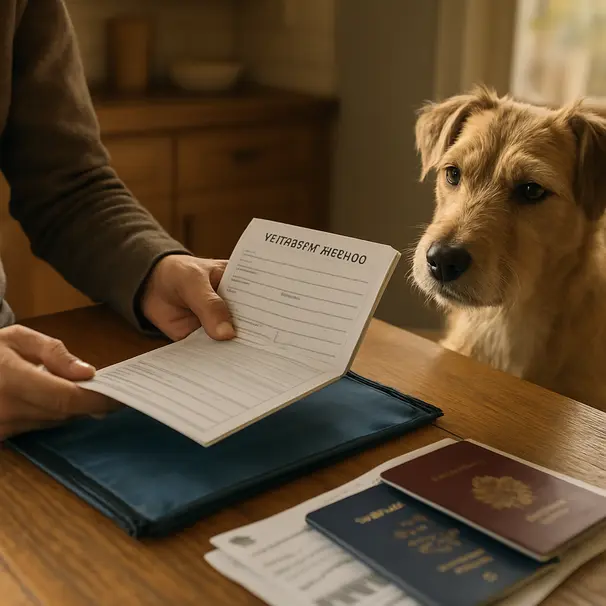
Getting paperwork in order is the simplest way to shave off panic later. These items make it easier for a carer or stranger to help your pet fast.
- Microchip information: note the microchip number and the registry contact. Consider keeping a recent proof of registration.
- ID tags: include at least two forms of ID on the collar — name and a phone number. If you’ll be traveling overseas, add your accommodation contact.
- Recent vet records: vaccination dates, recent illnesses, allergies, and any chronic conditions. A one-page summary is easiest to read in a hurry.
- Medication list: full medication names, dosages, times, and instructions. Also list any known side effects you’ve seen.
- Veterinary emergency contacts: your regular vet, 24/7 emergency clinic near home, and the veterinary emergency contact at your destination if possible.
- Health certificate and travel permits: check rules for airlines, trains, ferries, and international borders, and carry any required certificates.
Store these documents in a waterproof folder and take photos so a carer can access them from a phone.
Packing essentials for emergencies
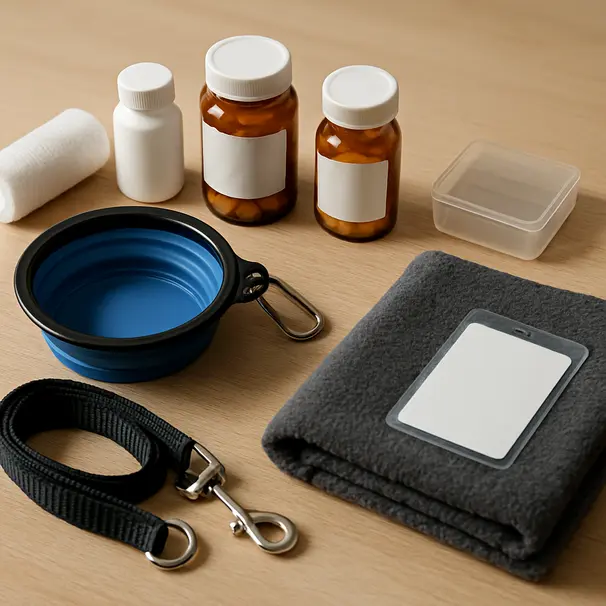
Pack a small, travel-ready emergency kit you can grab on short notice. Keep a duplicate kit with any trusted carer or at your accommodation.
- First-aid basics: absorbent gauze, self-adhesive bandages, antiseptic wipes, styptic powder, tweezers, and a digital thermometer. These items can help stabilize minor issues while you get veterinary care.
- Medications: bring enough for the whole trip plus a few extra days, plus instructions. Store medications in original containers when possible.
- Comfort items: a familiar blanket, a favorite toy, and a small item with your scent. They can lower stress after an incident.
- Restraint and transport: a sturdy, appropriately sized carrier or harness, a leash, and muzzling supplies if recommended by a vet. Be familiar with how to secure your pet safely in a car or carrier.
- Feeding and waste supplies: extra dry or measured wet food, familiar treats, a collapsible water bowl, and disposable bags.
- Emergency contact card: a laminated card with owner and carer phone numbers, pet’s medical summary, and the nearest emergency clinic address at your destination.
Communication plan: who needs to know what
Clear, calm communication saves time. Share essential info with anyone caring for or transporting your pet.
- Primary and backup contacts: provide names, phone numbers, and roles. Make sure someone local can act quickly if needed.
- Access instructions: where keys are stored, gate codes, or how to enter the accommodation. Write step-by-step arrival instructions if the property is tricky.
- Decision authority: name the person authorized to make urgent veterinary decisions if you can’t be reached. Consider a written authorization signed before travel.
- Update cadence: agree how often you want to receive updates and what format you prefer — text, photo, or video.
Quick-action steps for common emergencies
Having a short, memorable sequence can reduce panic. Share these steps with your carer so everyone reacts similarly.
- Assess safety: check for immediate danger, then move the pet to a safe spot.
- Check breathing and responsiveness: if the pet is conscious, note symptoms, time, and any triggers.
- Consult the emergency card: follow instructions for medications, known allergies, and special needs.
- Call the vet: if it’s serious or you’re unsure, call a veterinary emergency service for guidance before traveling.
- Transport safely: use a carrier or secure harness to move the pet to a clinic.
- Document: note the time of incident, actions taken, and any treatments provided. Photographs can be very helpful.
Avoid giving human medications unless a vet has explicitly advised it. If unsure, call a vet for guidance.
Medication and dosing: clarity is crucial
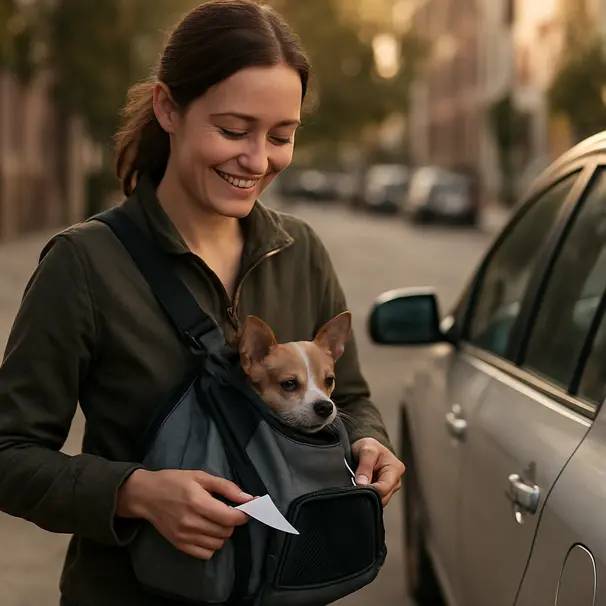
Medication errors are a common source of emergencies. Make instructions impossible to misunderstand.
- Create a medication schedule: list each drug, dosage, frequency, and the route of administration. Include a picture of the pill or liquid bottle if possible.
- Organize doses by day and time: use a pillbox, labeled bags, or a blister pack. Carers can tick off doses to show they were given.
- Note storage needs: some medications require refrigeration or protection from light.
- Emergency substitutions: list acceptable backups only with your vet’s approval. If a medication is unavailable during travel, call your vet for alternatives.
Behavioral notes and calming strategies
A frightened pet can make an emergency much harder. Leave clear behavioral guidance for carers.
- Warning signs: describe how your pet shows stress, fear, pain, or aggression. Mention thresholds that mean don’t force interaction.
- Calming tools: favorite toys, treats, or pheromone sprays that help soothe your pet.
- Handling tips: whether your pet prefers gentle approach, slow movements, or needs a muzzle when stressed.
- Safe space setup: how to create a quiet area for recovery with bedding, reduced noise, and dim lighting.
Transport planning and safety
How you move a pet can be the difference between a smooth clinic visit and a worsening problem.
- Car travel: always use a crash-tested harness, crate, or carrier secured with a seatbelt. Keep windows closed and never leave pets unattended in a parked car.
- Air travel: double-check airline rules for carriers, health certificates, and whether the pet can travel in-cabin. For long-haul flights, consult your vet for tips on hydration and calming.
- Local transport: for taxis or rideshares, prepare a leash and a small blanket to protect seats and provide comfort.
Choosing a local emergency clinic
Research emergency clinics at your destination before any trip. Save their addresses and check reviews for responsiveness and cleanliness.
- Call ahead if possible and explain you may need immediate care.
- Ask about after-hours availability, language support, and payment options.
- Share clinic info with your carer and save it in your phone contacts with a clear label.
Insurance, payments, and authorizations
Financial and legal prep reduces delays when seconds count.
- Pet insurance: know what your policy covers and how to file claims while traveling.
- Credit card access: ensure your carer can arrange transport and vet care if you’re unreachable. Consider a written authorization to spend a defined amount.
- Veterinary authorization: if you might be unreachable, complete a form granting temporary consent for urgent treatment and keep a copy with your emergency card.
Natural disasters and evacuation scenarios
If you’re traveling in areas prone to storms, wildfires, or earthquakes, have a specific plan.
- Evacuation kit: combine the travel kit with extra water, copies of documents, and a leash and carrier for every pet.
- Meeting points: choose several places to reunite with your carer if separated.
- Shelter options: research pet-friendly evacuation shelters and hotels along your route.
Tips for pet carers: what to pack and expect
If you’re a carer looking after pets during travel, a little prep goes a long way. Keep a small personal emergency kit and communicate proactively.
- Carry the emergency card and documents at all times.
- Confirm medication times and feeding routines before the trip begins.
- Ask about behavior alerts, such as fear of strangers, car sickness, or special handling instructions.
- Practice moving the pet gently in a carrier and know how to secure the carrier in a vehicle.
- Keep recorded contact times and photos of the pet’s condition as a timestamped record.
Practice runs and checklists
A brief rehearsal of public transport, carrier loading, or vet routes can expose problems before they become emergencies.
- Do a test drive with the carrier in the car.
- Visit the destination vet and show your pet’s records to a clinic staff member if you’ll be traveling often.
- Run through the emergency card with your carer so they’ll remember key steps under stress.
After an emergency: recovery and follow-up
Once the urgent issue is settled, focus on recovery and preventing repeat incidents.
- Record outcomes: what happened, what treatment was given, and any follow-up instructions from the vet.
- Adjust routines: update feeding, exercise, or medication routines based on vet advice.
- Emotional recovery: pets may be shaken after an event. Increase calm, quiet time and use familiar comfort items.
- Update your emergency kit and records to reflect what you learned.

Templates and quick resources
Below are simple templates you can copy into your phone or print for a travel folder.
- Emergency card header: Pet name, species/breed, age, microchip number, owner phone, backup contact, allergies, current meds, primary vet, nearest emergency clinic, authorization signature.
- Medication log: Date, Time, Medication, Dose, Given by, Notes.
- Vet call log: Time called, name of person spoken to, advice given, next steps.
Final thoughts
Travel adds layers of planning to pet care, but a calm checklist helps everyone stay ready. Small steps now — a clear emergency card, a well-packed kit, and a practiced plan — can make a stressful moment manageable. Keep communication kind and simple, trust the people you name as carers, and consider updating your plan after each trip. Safe travels and happy snuggles on the road.