

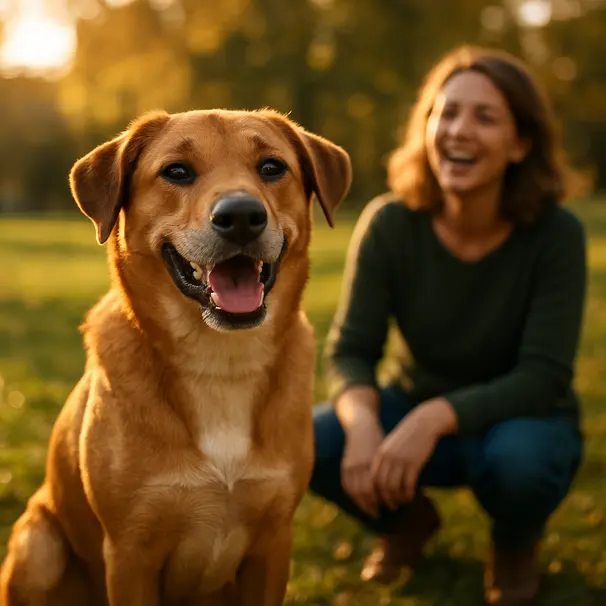
UK’s top dog names of the year
Each year pet lovers across Britain pick names that tell tiny stories about personality, culture, and the moment we live in. From human classics to quirky pop-culture picks, dog naming is part love, part style, and part practicality. Here we look at the most popular names this year, what’s behind the trends, and friendly, practical advice for choosing and introducing a name your dog will happily wear.
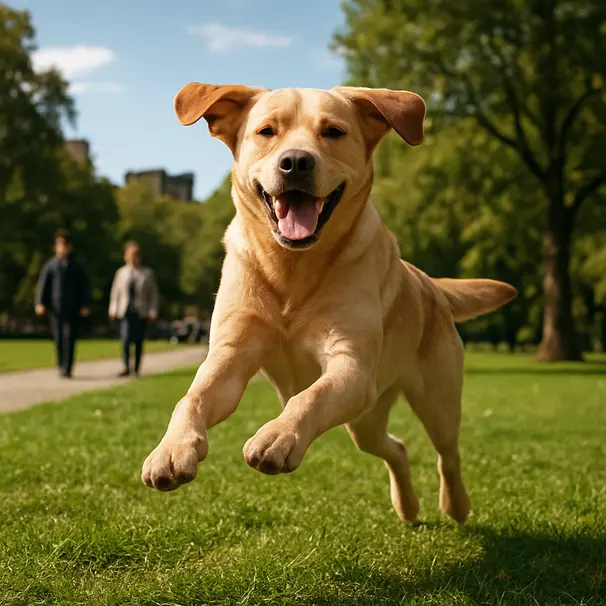
Quick overview: the names topping the charts
Across shelters, breeders, and households tracked this year, a clear pattern emerged. Human names remain strong. Short, punchy names that are easy to say also rose in popularity. Vintage names made a comeback, and there was a bright spike in names inspired by TV and streaming hits.
- Male favourites included names like Arthur, Alfie, and Bear.
- Female standouts were Luna, Poppy, and Millie.
- Unisex names such as Charlie, Bailey, and Frankie appeared frequently on lists.
These favourites give a sense of what pet owners want: names that feel warm, easy to call, and a little bit personal.
Why some names become popular
Names don’t arise purely by chance. There are social nudges that push certain names into the mainstream:
- Pop culture: hit shows, films, and characters often nudge names into the spotlight.
- Human-name trend: many owners are choosing names used for people, creating a familiar, cosy vibe.
- Sound and length: two-syllable names or short names that end in a vowel often sound friendly to dogs and people.
- Regional preferences: different areas of the UK sometimes prefer different styles—classic British names in rural counties, trendier picks in cities.
These trends are a mix of fashion and practicality. A name that’s easy to call across a park or through a café will naturally stick.

Popular lists: male, female and unisex names
Below are friendly lists inspired by aggregated data from breeders, shelters, and Floofy carers this year. These aren’t official charts, but they reflect what people are actually using.
Top male names
- Arthur
- Alfie
- Bear
- Oliver
- Max
Top female names
- Luna
- Poppy
- Millie
- Willow
- Daisy
Top unisex names
- Charlie
- Bailey
- Frankie
- Marley
- Riley
You’ll notice many of these are short and melodic. They balance charm with clarity, making them easy for dogs to pick up during training.
Regional variations and surprising picks
Britain is small but wonderfully varied. Coastal towns and countryside villages often favour traditional or nature-inspired names like Daisy, Willow, or Archie. Urban centres lean into pop-culture or edgy names. In some pockets you’ll find Celtic-inspired picks, while others might favour classic English names.
A few surprising entries this year were food-inspired names that stuck, like Olive and Mocha. They show how personal experiences—your favourite café or a memorable trip—can influence a name choice.
Naming with personality in mind
Choosing a name that fits a dog’s appearance and personality can be wonderfully satisfying. Here are some gentle prompts to help match name to dog:
- Small, sprightly dogs: opt for bright, snappy names like Pip or Tilly.
- Big, laid-back breeds: choose solid names like Bear or Winston.
- Fluffy, cuddly dogs: soft-sounding names such as Poppy or Luna often suit well.
- Mischievous characters: playful names like Rascal, Scout, or Loki can be perfect.
Try saying a shortlist of names out loud while interacting with your dog. See what seems to click. Dogs respond to tone and consistency, and a name that feels natural when you say it will be easier to use.
Practical naming tips for busy households
Picking a name is part creativity and part logistics. Consider these practical tips before you commit:
- Keep it short and clear: two syllables or fewer often work best in noisy places.
- Avoid names that sound like commands: names that rhyme with sit, stay, or no can be confusing.
- Test it out around the house and on walks: does it feel natural to call out?
- Think about nicknames: a cute formal name might quickly shorten into something else—decide if you like that.
- Check microchip and registration rules: if you register your dog or update a microchip, you’ll need the official name on record.
These small checks can save a lot of future mix-ups, especially if you use professional carers or dog walkers who need to recognise the name quickly.
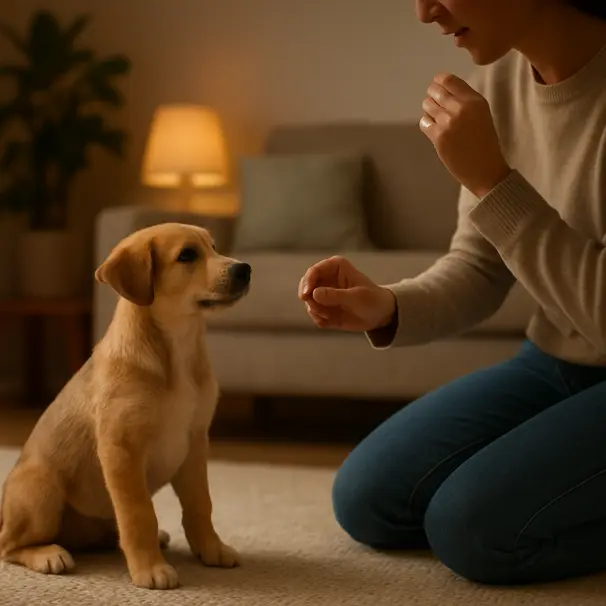
Introducing a new name to your dog and carers
A name is only as good as its introduction. Here’s a friendly step-by-step for helping a dog learn a new name and making it easy for carers or family members.
- Be consistent: use the same name and pronunciation every time.
- Pair the name with rewards: a treat, praise, or gentle petting helps the dog associate the sound with nice things.
- Keep training sessions short: five minutes, two or three times a day can be more effective than one long session.
- Ask carers to follow your method: if someone else will be walking or sitting your dog, share the same approach so the name has the same meaning to everyone.
- Use positive cues: call the name when you want the dog’s attention, not for reprimands.
These steps make the name feel safe and predictable, which helps dogs learn faster and with less stress.
Multi-dog households and name harmony
If you already have dogs, picking an additional name needs a bit of thought. Here’s how to avoid confusion:
- Vary starting sounds: avoid naming one dog Max and the next Moxie. Different initial sounds help dogs distinguish calls.
- Keep syllable lengths a little varied: a one-syllable and a two-syllable pair can be easier to tell apart.
- Use unique nicknames: if names are similar, unique nicknames during play and training can reduce mix-ups.
Consistency across family members and carers again matters. Everyone calling each dog the same way will build clearer associations.
Names for rescue dogs and rehoming considerations
When adopting, you might get a dog with an existing name. You can keep it, tweak it, or introduce a new name. Consider these gentle options:
- Keep the original if it’s short and positive. A name already familiar to the dog reduces stress.
- Modify slightly rather than replace: turning Rex into Roxy or Bob into Bobby can preserve familiarity.
- If you change the name, use reward-based training to build the new sound’s meaning.
Always let rescues settle in before making big changes. A stable environment and patient carers help the dog feel safe while learning anything new.
Trendwatch: names likely to rise next year
Based on this year’s patterns, watch for these possibilities:
- More vintage revivals: names with a classic British feel could keep rising.
- Global flavours: names borrowed from other languages as owners celebrate cultural connections.
- Nature-inspired picks: seasonal and landscape-based names remain appealing.
Trends ebb and flow, but the underlying desire is usually the same. Pet owners want names that feel affectionate, memorable, and right for their dog.
Name etiquette when using professional carers
If you regularly use pet carers or walkers through platforms like Floofy, a few etiquette points make life easier for everyone:
- Share the chosen name and preferred nicknames in the booking notes.
- Mention any sounds you use as cues, such as a whistle or clicker.
- Tell carers how the dog responds to recalls and how they prefer to be praised.
- Update the profile if you change the name officially.
Clear communication helps carers form a bond more quickly, and it means your dog experiences consistent signals from everyone in their circle.
Final thoughts: a name is a tiny, joyful commitment
A dog’s name becomes part of their personality and your daily life. It’s worth taking a little time to try options, test them in real moments, and get carers on the same page. Whether you pick a timeless name like Daisy or a quirky honour for your favourite show, the best name is one that feels right when you say it and brings smiles to everyone who hears it.
If you’re still unsure, jot down a shortlist, try them over a week, and see which one makes the dog look up with interest. That look often tells you more than any chart.
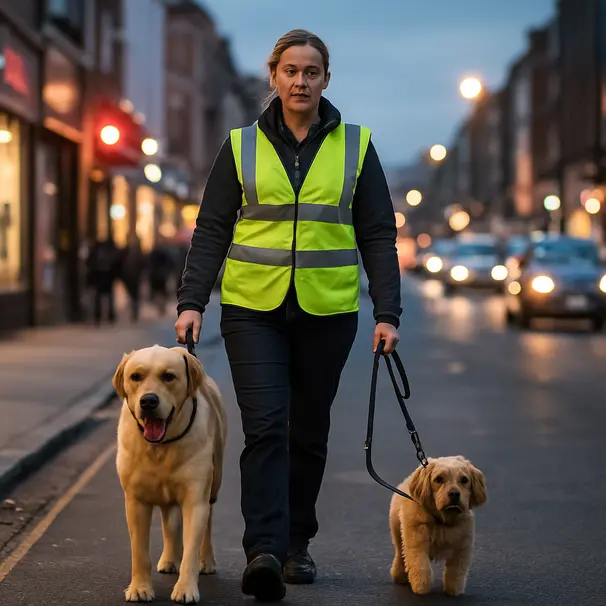
Helpful checklist before you decide
- Say it aloud in public and quiet places.
- Avoid names that sound like commands.
- Confirm everyone in the household likes it.
- Update records and tell carers if you change it.
- Introduce the name with positive reinforcement.
Naming is part of the joy of pet ownership. Take your time, enjoy the process, and if you use a Floofy carer, share your name choices and training tips to keep things smooth for your dog and their new friends.
Happy naming, and here’s to many joyful calls of your dog’s name in the park.