

Understanding Bird Behaviour and Communication for Pet Carers
Birds are brilliant, noisy, and endlessly curious. They also speak in a language that isn’t always obvious to human ears. For pet carers, learning to read that language pays off in smoother care visits, less stress for birds, and stronger bonds with owners. This guide walks you through the most common body signals and vocal cues, and offers practical ways to respond, enrich, and report observations back to owners.
Why paying attention matters
Birds rely on subtle signals to tell others how they feel. A tiny change in posture can mean a bird is excited, frightened, or in pain. As a carer you are often the first person outside the owner to notice changes. That makes your observations valuable. Noting behaviour early can help prevent escalation, improve welfare, and give owners confidence that their bird is in thoughtful hands.
Practical tip: carry a small notebook or use a phone note to record any unusual signs. Note the time, what happened before the behaviour, and how long it lasted. These small details help owners and vets make better decisions.
Reading body language: the basics
Birds communicate much with their bodies. Watching posture, feather position, head movements and eye behaviour gives plenty of clues.
Posture and stance
- Relaxed, upright posture usually means contentment, especially if the bird is preening or ruffling gently.
- Low, crouched stance with fluffed feathers can suggest the bird is cold, unwell, or conserving energy. Consider checking the environment temperature and watch for other signs.
- A puffed-up bird that’s sitting quietly and not eating may need a vet check. Use cautious wording when communicating this to owners.
Feather signals
Feathers tell stories. Smooth, sleek feathers often mean calm or focus. Sudden flaring or ruffling can indicate excitement or irritation.
- Crest movement: species with crests, like cockatiels, use them dramatically. A raised crest can mean surprise or alarm; a floppy crest might show relaxation.
- Tail flicks and wing droops are quick ways birds show irritation or impatience. A rapid tail flick can be an agitated signal during handling.
Head and beak cues
- Head tilt: curiosity or trying to get a better look. Many birds tilt their heads when engaged with a new object.
- Beak clicking or grinding often indicate contentment, especially before sleep. Soft beak grinding while relaxed is usually a good sign.
- Open beak breathing, panting, or showing the tongue during rest may suggest overheating, stress, or respiratory issues. Report this to the owner and suggest considering a vet.
Eyes and eye pinning
Birds don’t blink like we do. Rapid constriction and dilation of the pupil, known as eye pinning, can mean excitement, anger, or intense focus depending on the species and context. Watch the whole picture. A bird with pinned eyes and an aggressive posture is different from a bird with pinned eyes while watching a favorite toy.
Vocal communication: what the sounds mean
Bird voices are rich and varied. Different calls serve different purposes: contact calls, alarm calls, begging, singing and mimicry all tell you something about mood and needs.
Contact and begging calls
Many social species call to check on their flock, including human carers or owners. Repeated short contact calls may mean the bird is seeking attention or reassurance. If a normally quiet bird becomes persistently vocal, think about recent changes in routine or environment.
Alarm calls and loud vocalisations
- Sharp, repetitive calls often signal an alarm reaction to a perceived threat. Look for body cues like stiff posture or escape attempts.
- Sudden loud screaming can be frustration, fear, or a learned way to get attention. Note timing: are calls triggered by other birds, outside noises, or separation from the owner?
Singing and mimicry
Singing is usually a positive sign. Birds practise melodies, test boundaries, and enjoy the mental exercise. Mimicry of household sounds can be amusing and is often harmless. However, if a bird mimics distress calls or unusual vocal patterns, record when and how often this happens for owners.
Practical tip: when a bird vocalises a lot during your visits, try to note whether the call changes in different rooms or around certain people. This can reveal triggers.
Social signals and species differences
Not all birds mean the same thing by the same behaviour. Parrots, finches, and doves have different social structures and priorities.
- Parrots tend to be highly social and need interactive attention. They use attention-seeking calls and aggressive displays more frequently than many small birds.
- Finches and budgerigars are flock-oriented. Sudden isolation or a change in cage mates can cause stress-related behaviours.
- Doves and pigeons show calm, subtle signals. Changes in eating or a drop in activity are often the first sign of discomfort.
Be species-specific in reports. Saying, “A cockatiel with a raised crest looked startled by a new visitor” is more useful than a vague, “The bird seemed off.”
Handling and approach: gentle, predictable, respectful
Birds prefer predictable routines. Quick movements, scents, or different handling styles can stress them. Here are practical steps to make visits calmer.
- Move slowly and speak softly when you enter a room. Let the bird see and hear you before approaching closely.
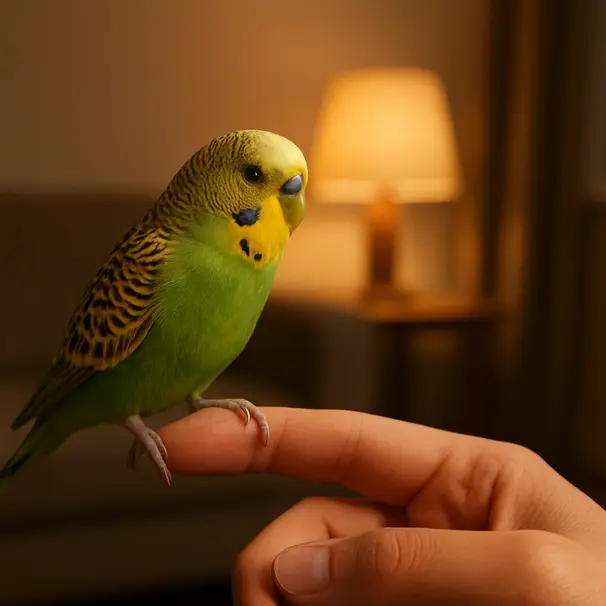
- Offer a closed fist gently for smaller birds or a flat hand for perching species. Never force contact. Let the bird come to you when possible.
- Use the perch-to-hand method for training a step-up. Reward small successes with praise or a tiny treat, if allowed by the owner.
- Avoid cornering a bird. If a bird retreats to a cage corner, give it space. Use positive reinforcement to encourage calmer choices.
Safety note: some birds will bite if frightened. Wear protective gloves only if the owner requests or you know the bird’s bite history. Otherwise, report any biting behaviour clearly and calmly to the owner.
Enrichment and environment: think like a bird
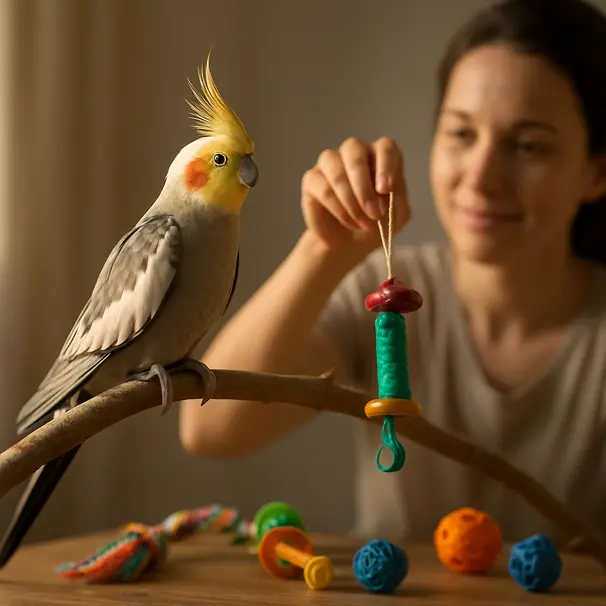
A bored bird is a noisy or mischievous bird. Enrichment keeps mental health strong and behaviour positive. Carers can make helpful, practical suggestions during visits.
- Foraging opportunities: hide small treats in paper rolls, use foraging toys, or scatter healthy options for small birds. For parrots, puzzle feeders offer satisfying challenges.
- Social time: scheduled out-of-cage interaction helps parrots and social finches. Fifteen to thirty minutes of focused attention can change the rest of the day.
- Physical exercise: supervised flight time in a safe room, or encouraging wing exercises on a tall perch, can improve mood and reduce screaming.
- Sensory variety: different textures, mirrored surfaces, and safe natural branches can keep birds engaged. Rotate toys every week or two to maintain novelty.
Practical tip: always check with the owner about preferred toys, treats, and handling limits. Some birds have diet restrictions or toy hazards.
Problem behaviours and thoughtful troubleshooting
Certain behaviours are signs you should communicate clearly to the owner and suggest further steps. Use calm, factual language and avoid making medical claims.
- Feather picking: may reflect stress, boredom, or skin irritation. Recommend the owner consider environmental enrichment and consult their avian vet or behaviourist.
- Excessive screaming: often attention-seeking, but can be anxiety-related. Note duration, triggers, and whether behaviour follows a change in routine.
- Aggression: sudden aggression warrants careful note. Describe body language, whether the bird lunged, bit, or made particular calls, and mention any possible triggers.
When in doubt, suggest the owner consults their vet. Say things like, “This may be worth checking with your avian vet,” or “Consider asking a behaviourist for a tailored plan.” That keeps advice safe and supportive.
Keeping clear handover notes
Good carers make it easy for owners to trust them. A short, consistent handover report after each visit does that. Include:
- Mood and behaviour summary, using specific examples
- Any changes in eating, drinking, droppings or energy
- Details of handling and enrichment provided
- Time spent out of cage and what activities you did
- Any concerns or recommended follow-ups
Example: “Flora the cockatiel was vocal this morning, gave two short alarm calls when the delivery man passed, and later preened for 15 minutes. She accepted a step-up and enjoyed 20 minutes of supervised out-of-cage time. No signs of illness observed.”
Building trust with owners and birds
Owners want to know their bird is safe and happy. Communicate clearly and compassionately. Offer practical suggestions rather than lecturing. If you notice recurring issues, propose a plan: small changes, tracked over two weeks, then reassess together.
Be consistent. Birds appreciate routine. If possible, ask owners for a trusted hour window for visits and stick to it. That predictability reduces anxiety for both owner and bird.
Final checklist for bird carers
- Observe posture, feathers, eyes and breathing during each visit.
- Note vocal changes and possible triggers.
- Offer enrichment suited to species and rotate toys regularly.
- Approach slowly, let the bird choose contact, and avoid sudden movements.
- Keep clear handover notes with specific examples.
- Recommend vet or behaviourist follow-up when necessary, using cautious language.
Caring for birds is equal parts observation, patience, and curiosity. The more you practise reading their signals, the more intuitive it will become. You’ll spot subtle changes quicker, make better decisions, and help owners feel that their feathered family member is in kind, competent hands.
Thanks for choosing thoughtful care. Birds reward those who listen, and your steady, observant presence gives them a voice.